Signs of Inclusion for Jews in North Africa
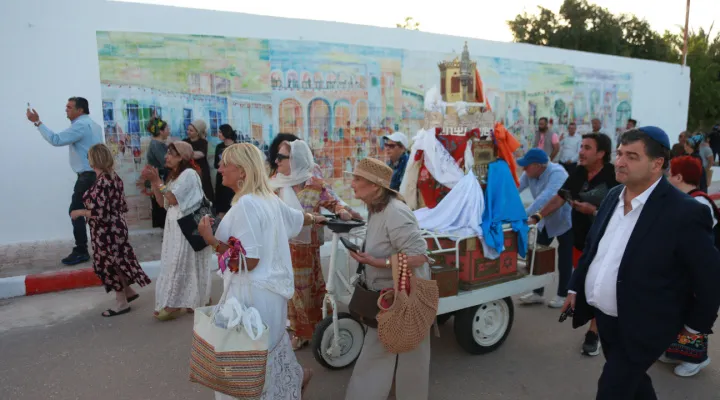
On May 4, 2026, Jews from Tunisia and various countries around the globe gathered for the annual Jewish pilgrimage to the El Ghriba Synagogue, one of Africa's oldest places of worship, located on Djerba Island in Tunisia. This gathering signifies a cautious yet notable resurgence of inclusion for Jewish communities in North Africa, particularly as Morocco advances a significant citizenship proposal aimed at descendants of Moroccan Jews living abroad. This legislative initiative, recently submitted to the House of Representatives, strives to extend citizenship rights to the children and grandchildren of Moroccan Jews, marking a renewed effort after a previous initiative in 2024 failed to garner sufficient support.
Proponents of this initiative emphasize that many Moroccan Jews emigrated for various reasons, including economic and religious factors, often losing their citizenship over generations despite maintaining strong cultural connections to their homeland. They argue that Jewish identity is an integral part of Morocco’s historical narrative and royal lineage. Conversely, critics, including Jacky Kadoch, president of the Jewish Community of Marrakech, contend that Jews already possess equal citizenship rights in Morocco and assert that existing legal measures adequately ensure access to nationality without the necessity for new legislation.
The current Moroccan law allows individuals of Jewish descent to claim citizenship through lineage up to the fourth generation, a provision bolstered by a 2011 constitutional amendment that acknowledges Judaism as a vital component of the nation’s heritage. The new proposal aims to streamline the citizenship application process by establishing dedicated services and launching a national online portal. Additionally, it seeks to enhance integration of these descendants into Morocco’s social, economic, political, and cultural spheres, while also fostering connections with the diaspora through the inclusion of Hebrew alongside Arabic and Amazigh in official contexts.
The Pilgrimage to El Ghriba Synagogue
In parallel, Tunisian authorities are anticipating a gradual resurgence of international pilgrims to Djerba for the annual Jewish pilgrimage, albeit under stringent security measures and amidst a backdrop of recent violence. Historically, the pilgrimage to the El Ghriba Synagogue attracted thousands of visitors from around the world, serving both religious and cultural purposes. However, following a tragic attack in 2023 that resulted in the deaths of two worshippers and three police officers, attendance has plummeted, prompting authorities to enforce tighter restrictions on the event.
Perez Haddad, the overseer of the synagogue, highlighted that while religious services continue, public celebrations have been temporarily halted due to lingering fear among potential attendees. He also emphasized the profound impact of the terror attack on the community’s psyche. René Trabelsi, who organizes the pilgrimage and previously served as Tunisia's tourism minister, expressed optimism, noting a cautious return to the island as confidence gradually rebuilds. This year, around 200 pilgrims from abroad are estimated to have participated, marking a positive shift after a period of uncertainty.
The pilgrimage, which spans from April 30 to May 6, coincides with the Lag B’Omer festival, observed 33 days after Passover. Tunisia remains home to one of the largest Jewish communities in the region outside of Israel, with approximately 1,500 Jews residing primarily in Djerba. Historically, around 850,000 Jews were compelled to flee or were expelled from Middle Eastern and North African nations throughout the 20th century, particularly following Israel's declaration of independence in 1948.
As reported by algemeiner.com.