
Institutional Dialogue Essential for Health Reform in Fes-Meknes
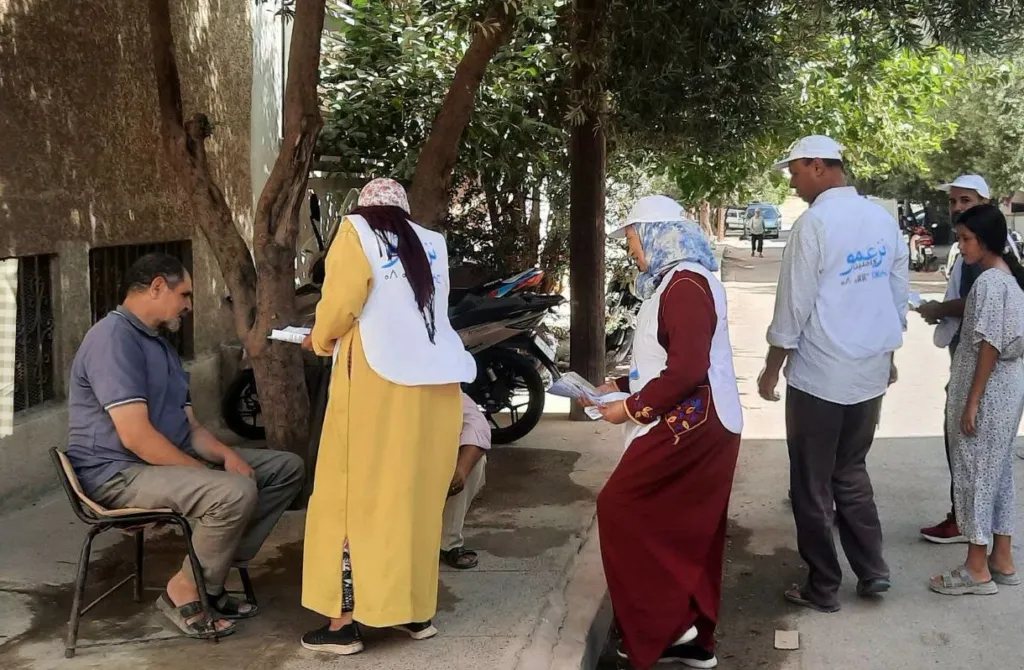
On September 21, 2026, the National Public Health Union, part of the Democratic Federation of Labor, has actively engaged in discussions surrounding the implementation of health reforms as the Fes-Meknes health group officially commences operations. The union has emphasized the necessity of establishing ongoing social dialogue as a permanent mechanism to facilitate institutional transformation while ensuring the protection of the rights and achievements of health professionals.
This call to action arose during a communication meeting held last Friday, aimed at addressing the challenges associated with the activation phase commencing from September 1st. The regional office of the union viewed this meeting as an initial step towards discussing the obstacles linked to the activation phase and exploring effective ways to ensure a smooth and responsible transition that maintains the continuity of public health services and strengthens trust between management, health workers, and their social partners.
Ensuring Quality and Accessibility in Healthcare Services
The union has asserted that the success of the reform should not solely be evaluated by the implementation of new texts and structures, but rather by its impact on the working conditions of health professionals and the quality of services provided to citizens. It is crucial to guarantee equitable access to healthcare across the various regions of Fes-Meknes.
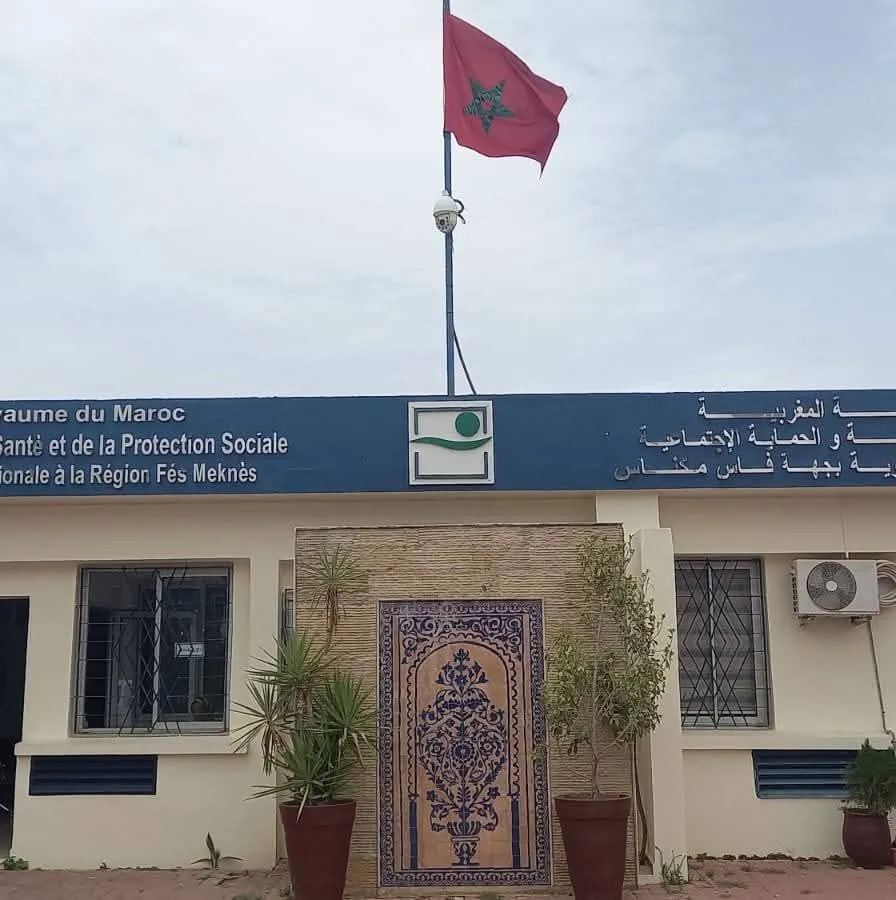
These demands come in the context of a national reform aimed at establishing territorial health groups as a new framework for regional health governance. Official data indicates that the Fes-Meknes group is responsible for coordinating healthcare services at the regional level and enhancing integration between primary healthcare institutions and hospitals.
The regional office has reiterated that human resources remain central to the success of any institutional transformation. The union has called for the recognition and motivation of health professionals, as well as the provision of decent working conditions to ensure their professional stability. Accordingly, they have insisted on making social dialogue a continuous forum for consultation and evaluation, involving social partners at all stages of the reform implementation. This includes addressing issues related to fair distribution of human resources, ongoing training, promotion, social and professional protection, and safety conditions in the workplace.
Furthermore, the union highlighted the importance of considering the specific geographical characteristics of the Fes-Meknes region in managing human resources. They believe this approach will contribute to a more balanced distribution of staff and enhance the attractiveness of health institutions. There are concerns that the shift to a new management model may create anxiety among sector workers. The union has stressed that the transition to the territorial health group framework must not justify any regression in the material and moral rights that employees have accrued as part of the public service.
In this context, the union has demanded clear guarantees to protect these rights and ensure the respect of professional and social entitlements, without imposing any negative repercussions on the administrative and financial situations of employees.
These demands align with the importance of human resources emphasized in official documents related to the territorial health group, which identify the enhancement and motivation of health professionals as critical components for the success of the new transformation. The National Public Health Union of Fes-Meknes has presented a series of priority demands for the current phase, including the immediate activation of transfer decisions across the various health regions under the Fes-Meknes territorial health group to ensure professional stability and fairness for those involved.
Additionally, they have called for the universal distribution of performance bonuses to all health professionals within the group, based on uniform, fair, and transparent criteria, without excluding any category or institution. They seek the establishment of effective and equitable incentives through clear mechanisms that link rewards to actual working conditions and completed tasks, thereby enhancing the sector's appeal and swiftly resolving outstanding administrative and financial issues, particularly regarding promotions and the disbursement of financial dues related to compensations and health programs. Among their other demands is the principle of objectivity, merit, and transparency in appointments to positions of responsibility, with a clear explanation of the criteria used in interim appointments, which the union claims have been somewhat opaque.
As reported by maacom.ma.