
PAM Emerges Victorious in Legislative Elections
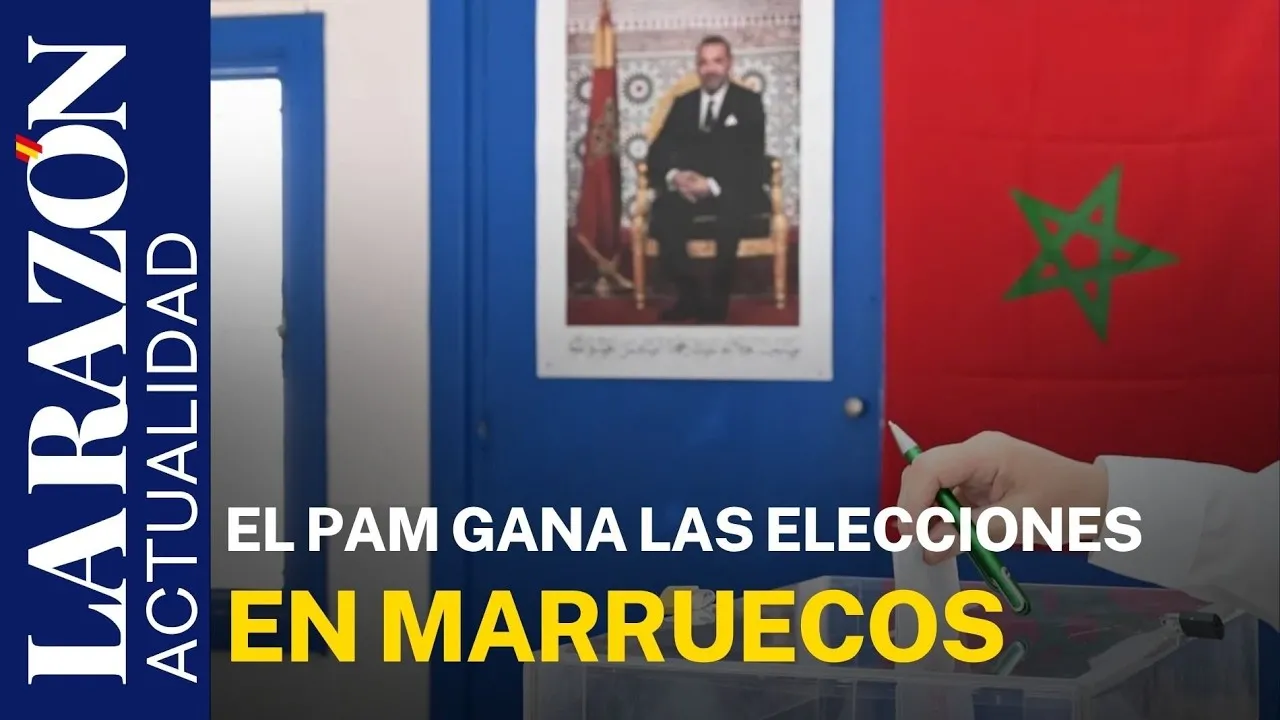
The Authenticity and Modernity Party (PAM) has claimed victory in the legislative elections held in Morocco, which took place on Wednesday. This election cycle has been marked by an unprecedented abstention rate of 61.9%, the highest recorded in the country over the past two decades, according to preliminary data released by the Moroccan Ministry of Interior. Nearly nine hours after the closing of polling stations, Interior Minister Abdeluafi Laftit announced that PAM secured a significant lead, winning 97 out of the 395 seats in Parliament. This win positions PAM ahead of its coalition partners: the National Rally of Independents (RNI), which has now dropped from leading the government to the second-largest force with 66 seats, and Istiqlal, which remains in third place with 65 seats.
The results announced by the Interior Minister aligned closely with analysts' projections, who had forecasted PAM's victory followed by its coalition partners. The PAM was established in 2008, co-founded by Fouad Ali El Himma, a former schoolmate of King Mohamed VI and a royal advisor. In addition, the party is currently led by Fouzi Lekjaa, the Minister of Budget and president of the Moroccan Football Federation, who is expected to play a crucial role in the upcoming legislature, particularly with Morocco co-hosting the 2030 World Cup alongside Spain and Portugal.
Election Trends and Abstention Rates
The most surprising aspect of this election day was the performance of the Justice and Development Party (PJD), a moderate Islamist party that managed to secure 54 seats after a significant decline in its electoral support five years ago, when it plummeted from 125 to just 13 seats. This defeat marks the end of a decade-long dominance of the PJD in Moroccan politics, having ascended to power following the protests of 2011 and subsequently winning the 2016 elections. Additionally, the left has made some gains, despite its minority status in Morocco's political landscape, with eight legislators now elected.
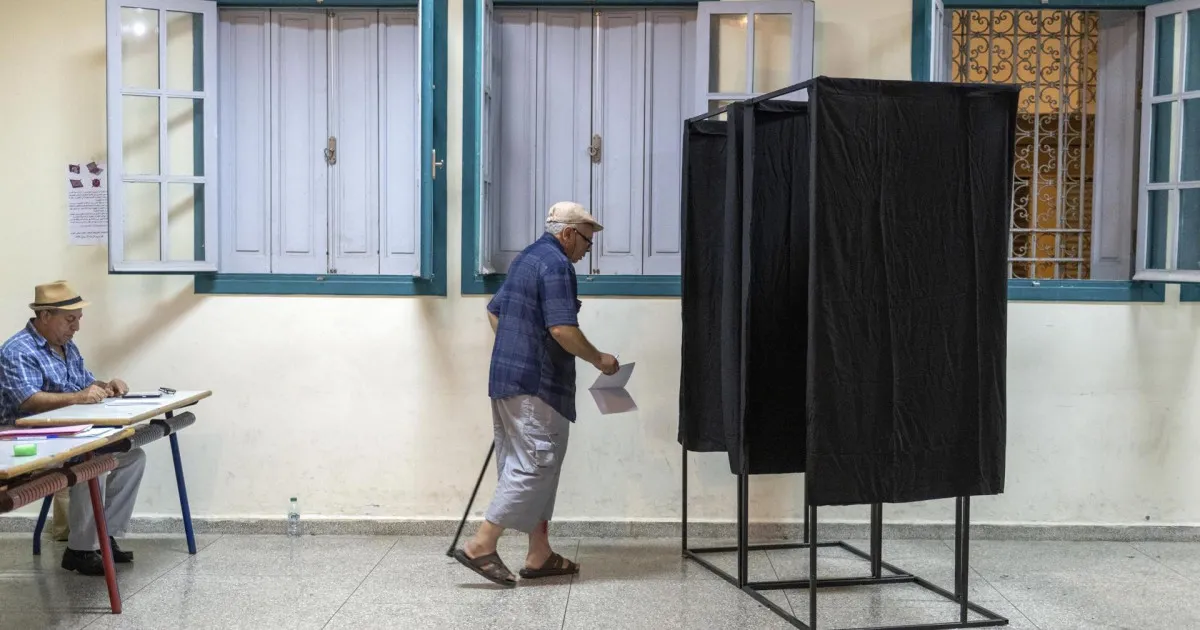
High abstention rates have consistently characterized elections in Morocco over the past 25 years. The highest abstention rate since King Mohamed VI ascended the throne was recorded in 2007 at 63%, followed by 57% in 2016. The 61.9% abstention rate in this latest election surpasses both of these figures, marking the highest level of voter disengagement in two decades. In contrast to this trend, Laftit noted a significant voter turnout in Western Sahara, with 77% participation in Aaiún and 61% in Dajla. The election day proceeded relatively smoothly, except for an incident in Tangier where police detained an individual for allegedly attempting to manipulate votes at a polling station. The Moroccan prosecution is currently investigating this incident, alongside a video circulating on social media that allegedly shows a ballot box containing numerous ballots that might have been cast prior to the start of voting to benefit a specific party.
After a low-profile campaign, Moroccans voted to elect the 395 members of the House of Representatives. The day was further marked by a substantial security presence along the borders with the Spanish cities of Ceuta and Melilla, following calls for irregular crossings. The distribution of seats follows a system that does not consider valid votes but rather the number of registered voters in each constituency, which tends to encourage fragmentation and prevents the establishment of absolute majorities. Analysts concur that it is highly probable the current governing coalition—PAM, RNI, and Istiqlal—will continue, albeit with a stronger influence from PAM.
Following the announcement of the definitive official results, King Mohamed VI will appoint the new Prime Minister, who will be a member of PAM, the party that has emerged as the frontrunner in these elections. Analysts favor Fouzi Lekjaa to take on the role of Prime Minister, although the party features a collective leadership that includes the current Minister of Housing, Fatima Ezzara El Mansouri, and the Minister of Youth and Culture, Mehdi Bensaid.
As reported by eldebate.com.