
PAM Claims Election Victory Amid High Abstention Rates
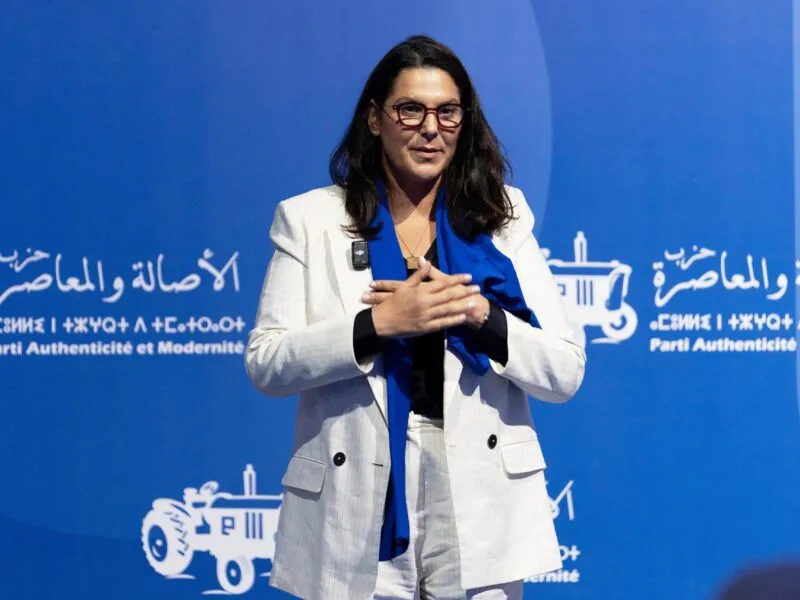
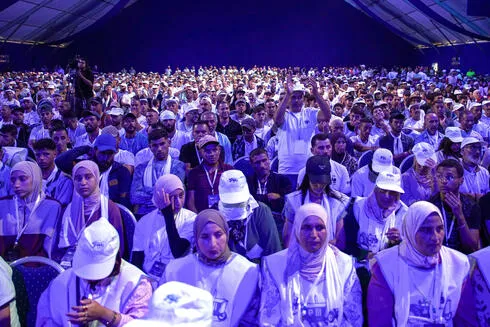
The **Authenticity and Modernity Party** (PAM), a liberal entity within the outgoing coalition government, has declared its victory in Morocco's legislative elections, which were marked by an overwhelming abstention rate of **61.9%**, the highest in two decades, according to preliminary data released by the Moroccan Ministry of Interior. This significant abstention reflects a growing disconnect between the political class and Moroccan society, raising concerns about the overall health of the democratic process in the country.
Almost nine hours after the polls closed, Interior Minister Abdeluafi Laftit announced that PAM would secure **97 out of 395 seats** in the Parliament, surpassing its coalition partners. The **National Rally of Independents** (RNI), which previously led the government, fell to become the second-largest party with **66 seats**, while **Istiqlal**, a nationalist party, retained the third position with **65 seats**. The results, as disclosed by the Interior Minister, aligned closely with analysts' predictions, which had anticipated PAM's lead followed by its coalition allies.
PAM was founded in 2008 by several prominent figures, including **Fouad Ali El Himma**, a childhood friend of King Mohammed VI and a royal advisor. Recently, it has become the party of **Fouzi Lekjaa**, the Minister of Budget and President of the Moroccan Football Federation, a key player to watch in the upcoming legislature, especially with Morocco co-hosting the **2030 World Cup** alongside Spain and Portugal.
In a surprising twist, the **Justice and Development Party** (PJD), a moderate Islamist party, managed to secure **54 seats** after a drastic drop in its electoral fortunes five years ago, when it plummeted from **125 to just 13 seats**. This loss marks the end of a decade-long dominance of the PJD in Moroccan politics, a reign that began following the protests of 2011 and was reaffirmed in the 2016 legislative elections. Additionally, there were celebrations among leftist factions, which, despite being a minority in Morocco's political landscape, achieved significant advances by securing **eight seats**.
The distribution of seats is based on a system that counts not valid votes but rather the number of registered voters in each constituency, a method that contributes to fragmentation and hinders the formation of absolute majorities. Analysts suggest that it is highly probable the current coalition government—PAM, RNI, and Istiqlal—will be repeated, albeit with a stronger influence from the liberals.
Record Low Voter Turnout Highlights Political Disengagement
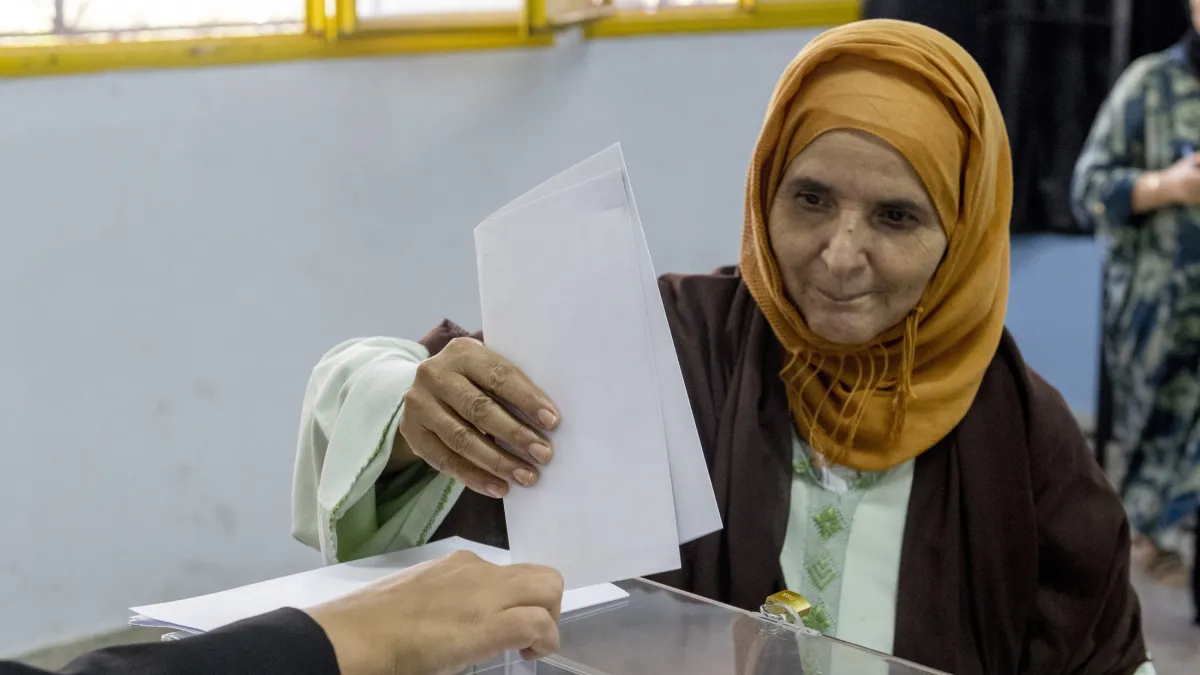
The projections made by experts regarding a significant abstention rate proved accurate, indicating a substantial gap between the political elite and the Moroccan populace. The election held this Wednesday saw only a **38.08%** voter participation, the lowest recorded since 2007, with about six million voters participating out of **15.8 million** registered to vote. Contrary to this general trend, Laftif noted a high voter turnout in **Western Sahara**, reporting **77%** participation in Laayoune and **61%** in Dakhla. The pattern of high abstention rates has been a recurring theme in successive electoral processes over the past 25 years.
In 2021, the last election cycle, abstention reached **49.6%**, which, while still alarmingly high, represented the highest participation in 20 years, just surpassing the **50%** mark. Historically, the **highest abstention** rate among registered voters since King Mohammed VI ascended the throne occurred in 2007, with a staggering **63%**, followed by **57%** in 2016. The election day proceeded relatively smoothly, aside from isolated incidents that reportedly had no significant impact on the electoral process, although there were allegations of ballot tampering and vote manipulation at polling stations in Tangier.
Following the official announcement of the results, King Mohammed VI will appoint the new Prime Minister, who will be a member of PAM, the winning party from this election. Analysts favor **Lekjaa** for this pivotal role, although the party operates under a collegial leadership that includes current ministers such as Fatima Ezzara El Mansouri, Minister of Housing, and Mehdi Bensaid, Minister of Youth and Culture.
As reported by publico.es.