
Navigating the Aftermath of Ceuta's Migrant Surge: A Glimpse into Rabat's Role
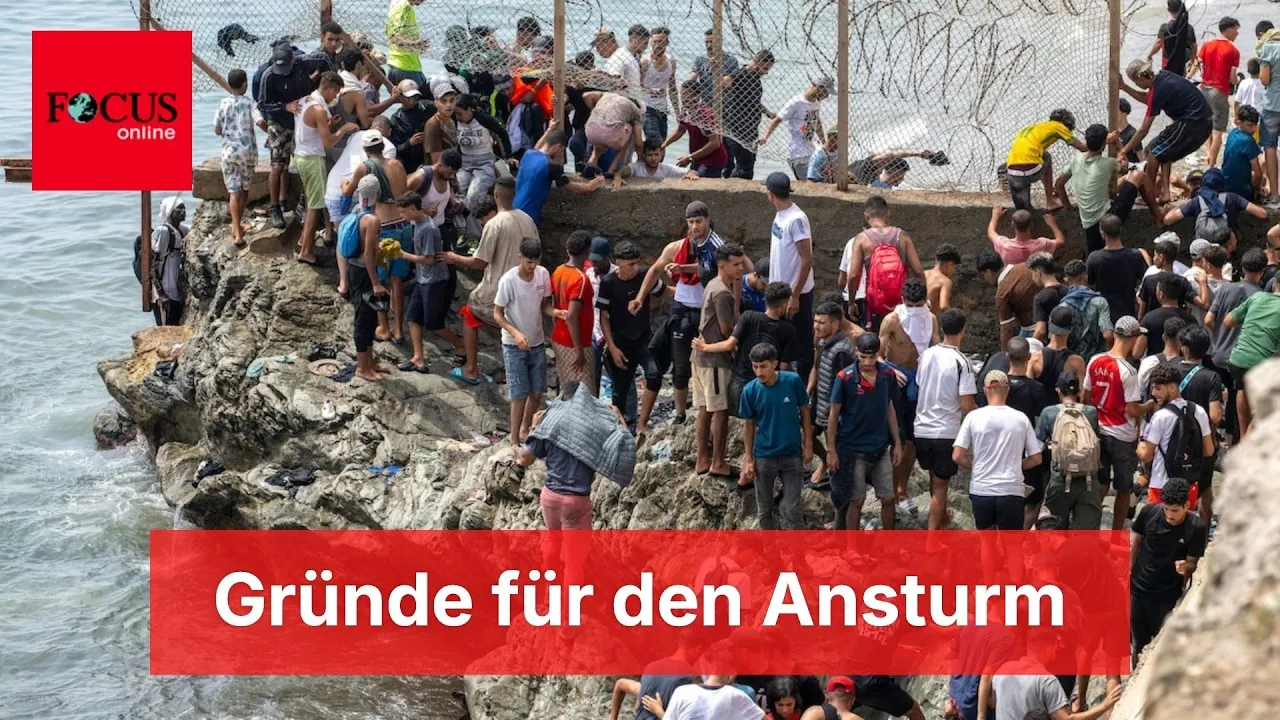
In the wake of an unprecedented influx of migrants into the Spanish exclave of Ceuta, attention has turned to the role of Morocco in this complex situation. Reports indicate that approximately 60,000 individuals crossed into Ceuta, igniting a flurry of speculation regarding whether the Moroccan authorities facilitated these border crossings. Spanish media outlets and government officials have suggested that the Moroccan government may have either tolerated or even encouraged this surge, particularly amidst rising diplomatic tensions between Madrid and Rabat. The backdrop to this crisis is multifaceted, influenced by Spain's historical stance on the Western Sahara conflict and recent diplomatic engagements with Algeria, Morocco's regional rival.
As Spanish Prime Minister Pedro Sánchez strengthens ties with Algeria, concerns have escalated over the potential retaliatory actions from Morocco, which may include leveraging migration as a means of exerting pressure on Spain. This situation not only highlights the delicate balance of power in North Africa but also raises questions about the future of migration policies in Europe. The implications of these developments are significant, not only for Spain but for the European Union as a whole, as it grapples with the ongoing challenges of migration and border security. The unfolding events in Ceuta and their connection to Rabat exemplify the intricate dynamics of international relations and the profound impact of political decisions on human mobility.
As reported by youtube.com.