
Understanding the Current Migration Crisis and Political Responses
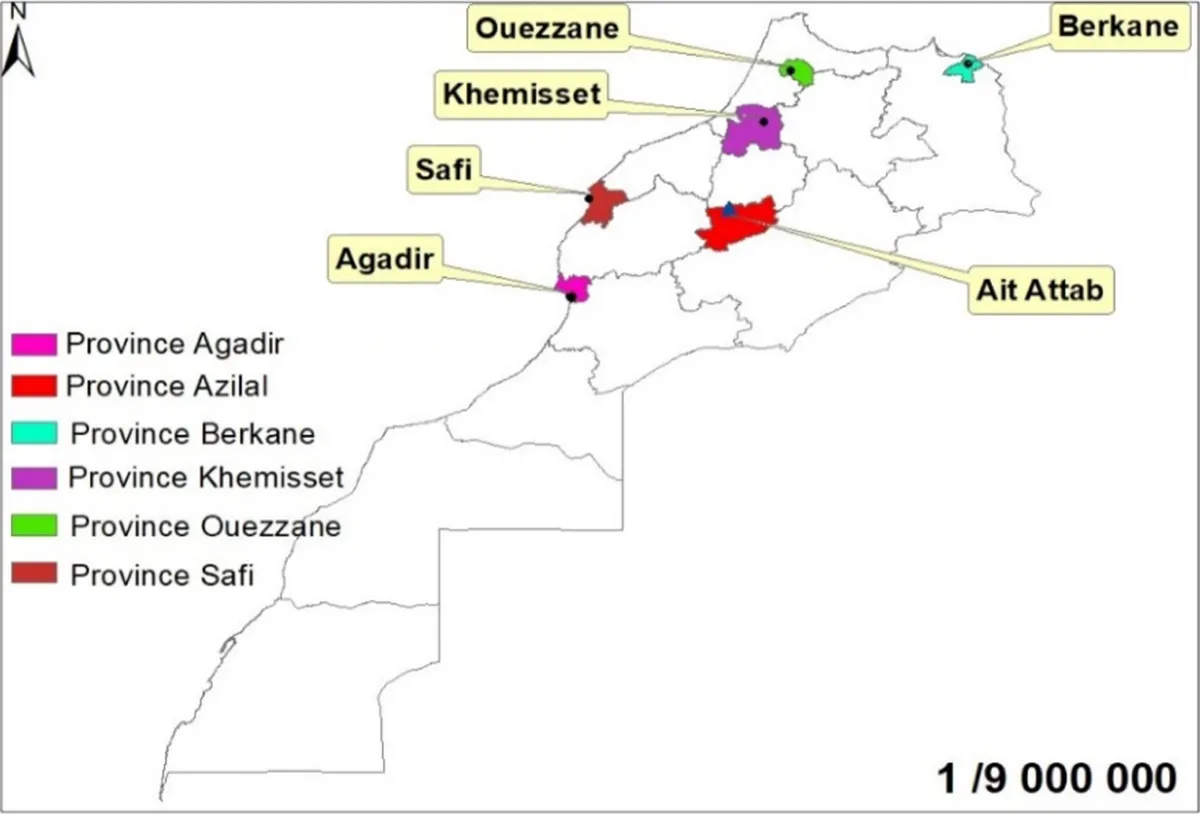
Recently, a significant influx of around 50,000 migrants into Ceuta, Spain's North African territory, has sparked a fierce political debate across Europe. Far-right politicians have characterized this wave of migration as an 'invasion,' igniting concerns over immigration policies and national security. However, the reality is more complex, as many migrants are returning to Morocco, and illegal boat crossings from the UK to Europe have decreased to a five-year low, showcasing a 43% drop compared to previous years. This paradox raises critical questions about what truly drives migration trends and how political narratives shape public perception and policy responses.
In a related political discourse, the Leader of Scottish Labour, Anas Sarwar, finds himself at a crossroads regarding his party's future direction. He has openly called for Keir Starmer's resignation following the controversial appointment of Peter Mandelson as US Ambassador. As Scotland gears up for the upcoming election, Sarwar's potential coalition with the Reform Party to challenge the SNP is under scrutiny. Furthermore, he faces the pressing issue of rising Islamophobia and the pervasive politics of despair affecting both Scotland and the UK. These discussions are crucial as they highlight the intricate balance between political strategy and social responsibility in a rapidly changing landscape.
Devolution, Economic Challenges, and Future Prospects
Amidst the backdrop of these political upheavals, the topic of devolution has resurfaced prominently in British politics. Influential figures like former French Prime Minister Gabriel Attal and Sir Anton Muscatelli, President of the Royal Society of Edinburgh, have emphasized the need for a fundamental shift in how power and resources are allocated within the UK. Muscatelli, an esteemed economic advisor, points to Scotland's staggering £4.8 billion funding gap as an issue often overlooked during election campaigns, with slower tax growth threatening vital services. The conversation extends to the concept of 'Manchesterism,' where local governance could play a pivotal role in economic revitalization, challenging the traditional Westminster-centric approach.
As Scotland navigates these challenges, the question arises: can devolution effectively stimulate economic growth and enhance local governance? Engaging discussions led by experts like Christine Farquharson, Tony Travers, and David Phillips delve into the implications of devolving power, the responsibilities it entails, and the potential risks involved. Engaging with these debates is essential for understanding how regional governance could reshape the future of the UK economy and address the pressing issues that citizens face.
As reported by open.spotify.com.