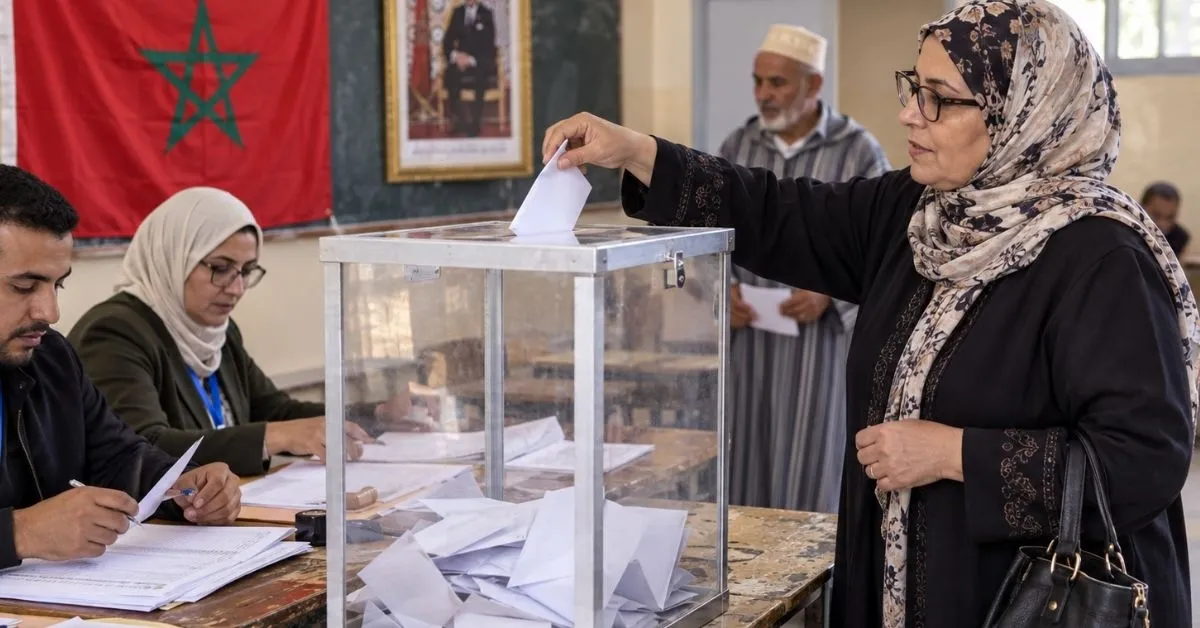

In an atmosphere characterized by profound distrust towards political institutions, the prevailing low voter turnout in Morocco's elections can be attributed to a multitude of factors, including socio-economic challenges and skepticism regarding the electoral process's ability to incite meaningful change. This situation has been exacerbated by the ongoing confrontations between various political parties and candidates, further alienating the electorate. In response to these concerns, electoral reforms are being introduced with the aim of strengthening the guarantees surrounding voting and vote counting processes. These reforms are designed not only to impose stricter candidacy rules but also to digitalize the electoral process, enhance transparency, and regulate digital campaigning. A total of 1,622 observers are set to monitor the elections across the twelve regions of Morocco.
Leading up to the elections set for September 23, a notable political development has been the emergence of official calls to boycott the electoral process. The Justice and Charity Group, for instance, publicly declared a boycott on September 9, urging citizens to abstain from participation. They argue that the current electoral framework fails to meet the conditions necessary for a truly competitive and fair political environment. For the activists within this group, the boycott is not merely a withdrawal from public action but rather a political protest aimed at advocating for what they describe as a new political horizon rooted in the free will of the populace. They contend that, for decades, the elections have not succeeded in advancing democracy, freedom, and justice, primarily due to several critical factors that increasingly contribute to rising abstention rates.
Among the reasons cited by the group is the weakness of elected institutions, which lack genuine political decision-making power, compounded by the absence of true power rotation, restrictions on freedoms, and the prosecution of political opponents. This sentiment is echoed by other factions, including the Workers' Democratic Path Party, which justifies its decision to boycott by highlighting the absence of minimum conditions ensuring compliance with democratic standards in the electoral process. They also point to the controlling role that the Interior Ministry plays in shaping electoral maps and parties. Furthermore, they express concerns about the political landscape being closed off to opposition voices, the need for political advancement conditioned on the release of political detainees, the safeguarding of public liberties and press freedom, and the deterioration of public services amidst worsening socio-economic conditions and ongoing social disparities.
This organized boycott has the potential to transform abstention from an individual stance into a collective political position, uniting supporters from both organizations and disenchanted voters who already harbor negative sentiments towards political parties and distrust in institutions. The phenomenon of abstention is not solely the result of a specific organization’s efforts; rather, it reflects a broad social reluctance that has evolved from the sentiment that "voting is futile" to asserting that "not voting is a political stance".
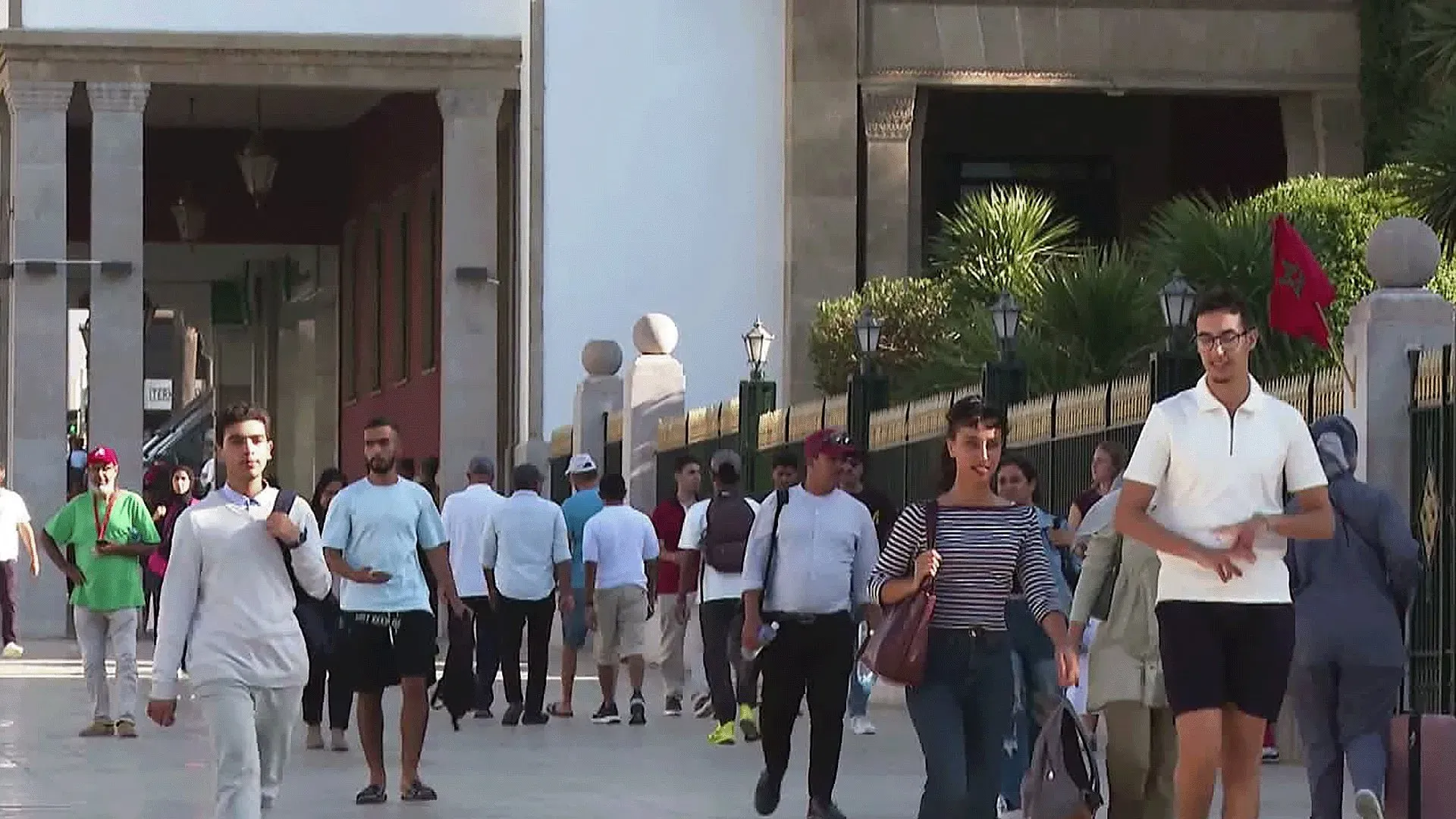
The ramifications of the boycott on increasing abstention rates cannot be overlooked; undecided citizens may find political justification in this discourse for their choice not to participate. This challenge is particularly pronounced among the youth, whose engagement is crucial for the upcoming 2026 elections, especially given the significant decline in the number of young people registered to vote.
Data from Moroccan national press reveals a decline in the voter bloc aged 18 to 24, dropping from 8% to 4%, while those aged 25 to 44 decreased from 19% to 15%. The total number of registered voters in Morocco has also diminished, falling from 17.1 million in 2021 to approximately 15.8 million in 2026.
Regarding the upcoming September 23, 2026 elections, the participation of women in local candidate lists remains limited despite their significant presence in the electorate. The challenge lies in enhancing their access to elected institutions and reassessing the criteria for selecting female candidates to ensure qualified women have greater opportunities. The Al-Zahraa Forum for Moroccan Women has underscored the lack of visibility for women, particularly young women, in official platforms, electoral discourses, and public campaign events. This situation highlights the urgent need to amplify the visibility and effective participation of Moroccan women in the electoral competition.
The Forum further advocates for a safe and equitable electoral environment, devoid of violence, defamation, and attacks on personal privacy, where political programs and proposals are the focus of competition. The objective is to uphold the integrity of the electoral process while fostering increased participation and representation of women in decision-making roles.
Alongside the vital involvement of women in the legislative elections scheduled for September 23, the participation of Moroccans living abroad has regained prominence in electoral discussions. Several members of the expatriate community have chosen to run for office under various political party banners across different electoral districts within the Kingdom. While Moroccans residing abroad (MRE) can submit their candidacies, there remains a persistent demand for facilitating their direct participation from their countries of residence, through measures such as establishing polling stations in embassies and consulates. The conversation also extends to seeking mechanisms that ensure a more direct representation of the Moroccan community in Parliament.
The issue of Moroccan expatriates' participation in legislative elections has been a topic since the 2011 Constitution and has resurfaced following the elections of 2011, 2016, and 2021, none of which established specific mechanisms for parliamentary representation of MREs. As the 2026 elections approach, the focus returns to strategies that would broaden electoral participation and enhance institutional representation through representative mechanisms within the legislative body.
As reported by atalayar.com.