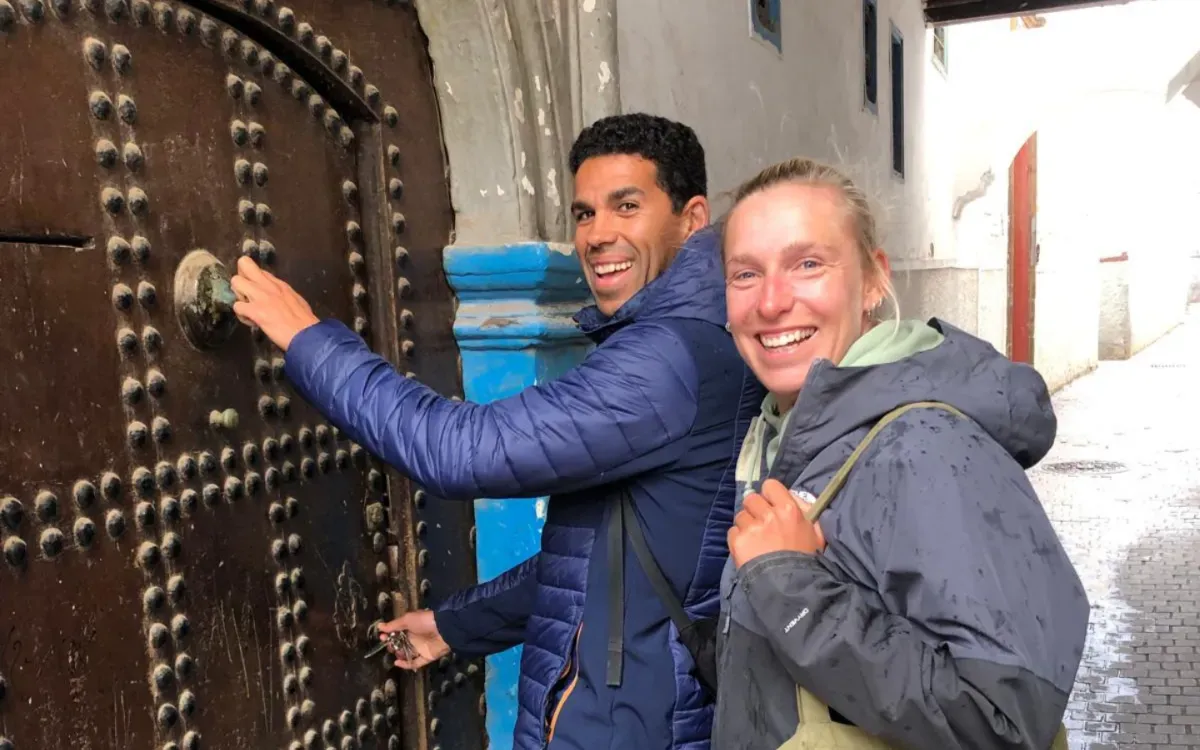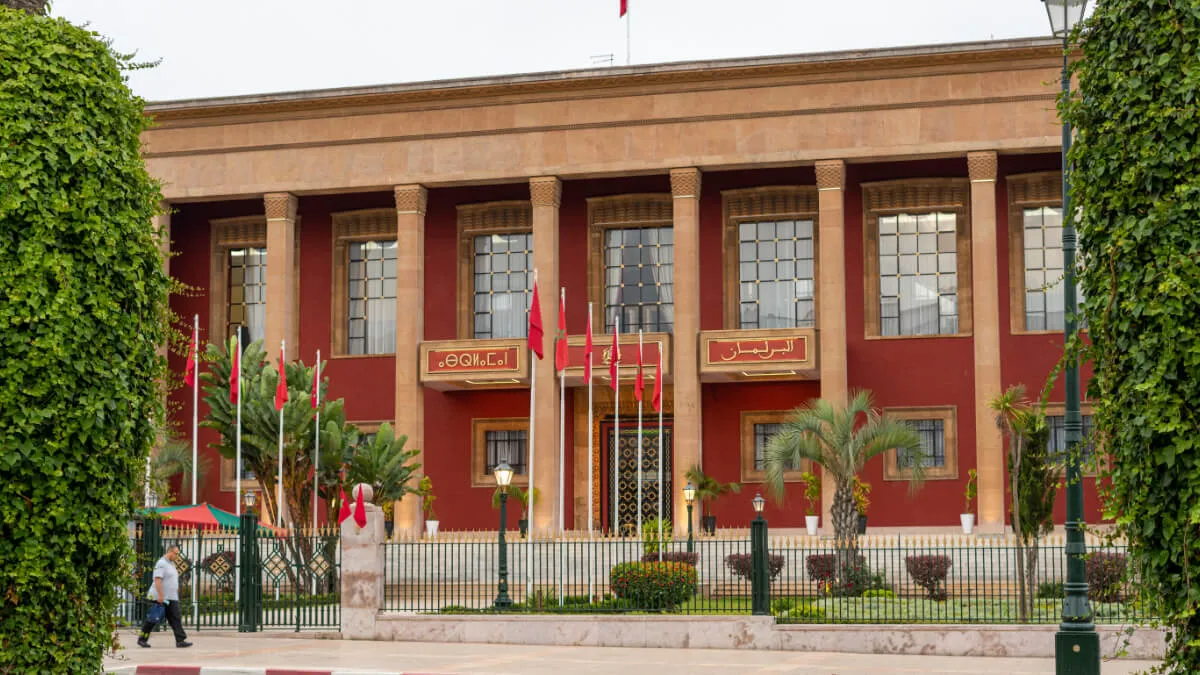

On September 23, nearly 16 million Moroccan citizens will head to the polls to participate in a significant electoral process, renewing their parliamentary, regional, and municipal institutions across 40,700 polling stations nationwide. This election follows a campaign that uniquely blended traditional door-to-door outreach, especially in rural areas, with vibrant digital engagement on platforms like Instagram and TikTok. Central to the political discourse are pressing issues such as social inequality, youth unemployment, and the need for territorial cohesion, all of which are shaping the future of Morocco's governance.
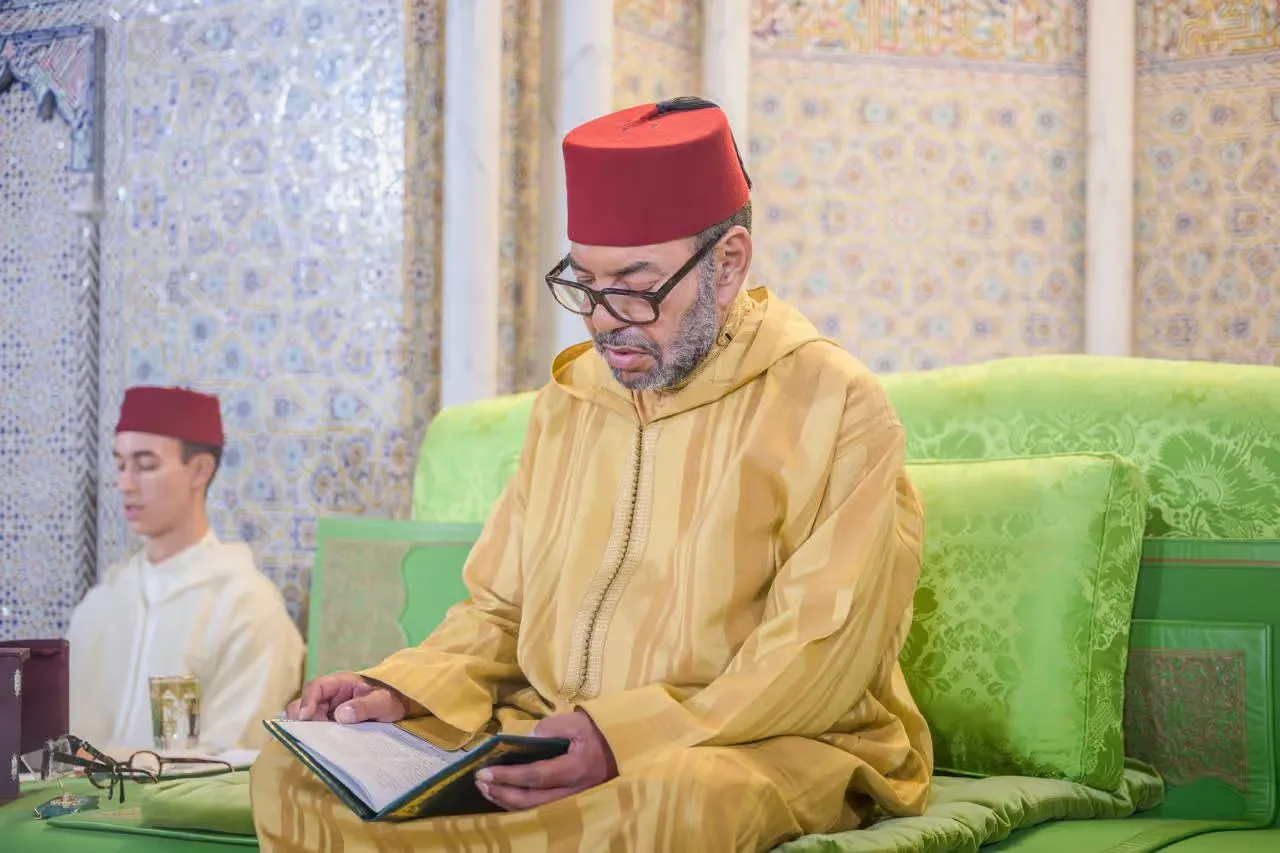
According to Nourdine Mouati, a geopolitical analyst and manager of Spanish-Moroccan cooperation initiatives, the political landscape is charged with expectations as the elections approach. Morocco functions as a constitutional monarchy characterized by distinct institutional dynamics. Following the constitutional reforms of 2011, both the legislative and executive branches have seen an expansion of their powers, with the Head of Government now possessing significant authority, including the ability to dissolve Parliament. These elections are critical for implementing the national roadmap and addressing the priorities emphasized in the Throne Day Speech by King Mohammed VI on July 29, which called for an urgent acceleration of development in Morocco's neglected interior regions, which have historically lagged behind more industrialized coastal cities.
The Challenge of Territorial Balance and Youth Employment
Institutional regularity once again underscores the simultaneous parliamentary, regional, and local elections in Morocco, with the stakes being particularly high given the socio-economic disparities that persist across the nation. The recent events in Ceuta, where social media incited thousands of youths to attempt dangerous crossings in search of better opportunities, highlight the urgent need for social policies aimed at bridging the gap between Morocco's dynamic urban centers and its disadvantaged rural areas. The responsibility of translating royal directives into actionable public policy falls squarely on the new cabinet, which will need to address the alarming statistic that approximately three million Moroccan youths are categorized as NEETs—neither in education, employment, nor training. This demographic challenge is particularly daunting as many of these young individuals hail from regions suffering from chronic economic underperformance.
While Morocco has made notable strides in sectors such as the automotive and aerospace industries, generating substantial employment opportunities, vast areas of the country, particularly in the Atlas Mountains and the Oriental region, remain beset by persistent socio-economic vulnerabilities. It is imperative for the incoming parliamentary majority and the new Head of Government to formulate balanced development strategies that offer viable job prospects for these vulnerable youths, thereby aligning with the inclusive growth targets set by international bodies like the United Nations.
Political Rivalries and Future Prospects
The previous legislative period was dominated by a liberal-center coalition led by Prime Minister Aziz Akhannouch, which came into power following a decisive electoral defeat of the Islamist Justice and Development Party (PJD) in 2021. This electoral contest raises questions about the continuity of this coalition, as Morocco boasts a pluralistic political landscape with over thirty registered parties and 27 competing lists. The National Rally of Independents (RNI), the Authenticity and Modernity Party (PAM), and the Istiqlal Party are expected to remain prominent players, although the possibility of a resurgence by the PJD cannot be overlooked. The PJD, known for its moderate political Islam, previously held power for two consecutive terms and may leverage its grassroots mobilization to regain lost seats.
Internal dynamics within the governing coalition also reveal a landscape of rivalries and leadership realignments. The RNI has faced challenges typical of incumbency, while the PAM has gained traction following the notable inclusion of Fouzi Lekjaa, a prominent political figure and the current president of the Royal Moroccan Football Federation. His appeal across diverse demographics positions him as a formidable contender for the premiership. Moreover, Morocco's electoral code mandates generational renewal and gender representation, reserving 90 of the 395 seats in the House of Representatives exclusively for women and young candidates, which has resulted in an unprecedented presence of female and youth candidates in this election cycle.
As Morocco prepares for this pivotal electoral moment, the implications of these elections will undoubtedly resonate beyond national borders, particularly in light of ongoing diplomatic challenges, such as the migration crisis at Ceuta. The recent resolution by the European Parliament on migration acknowledges the complexities of contemporary migration pressures and reinforces the notion of operational co-responsibility between Morocco and Europe. The evolving relationships and policies will be crucial for addressing the needs of Moroccan youth and ensuring the country's socio-economic stability in the years to come.
As reported by atalayar.com.