
Understanding the Crisis in Ceuta
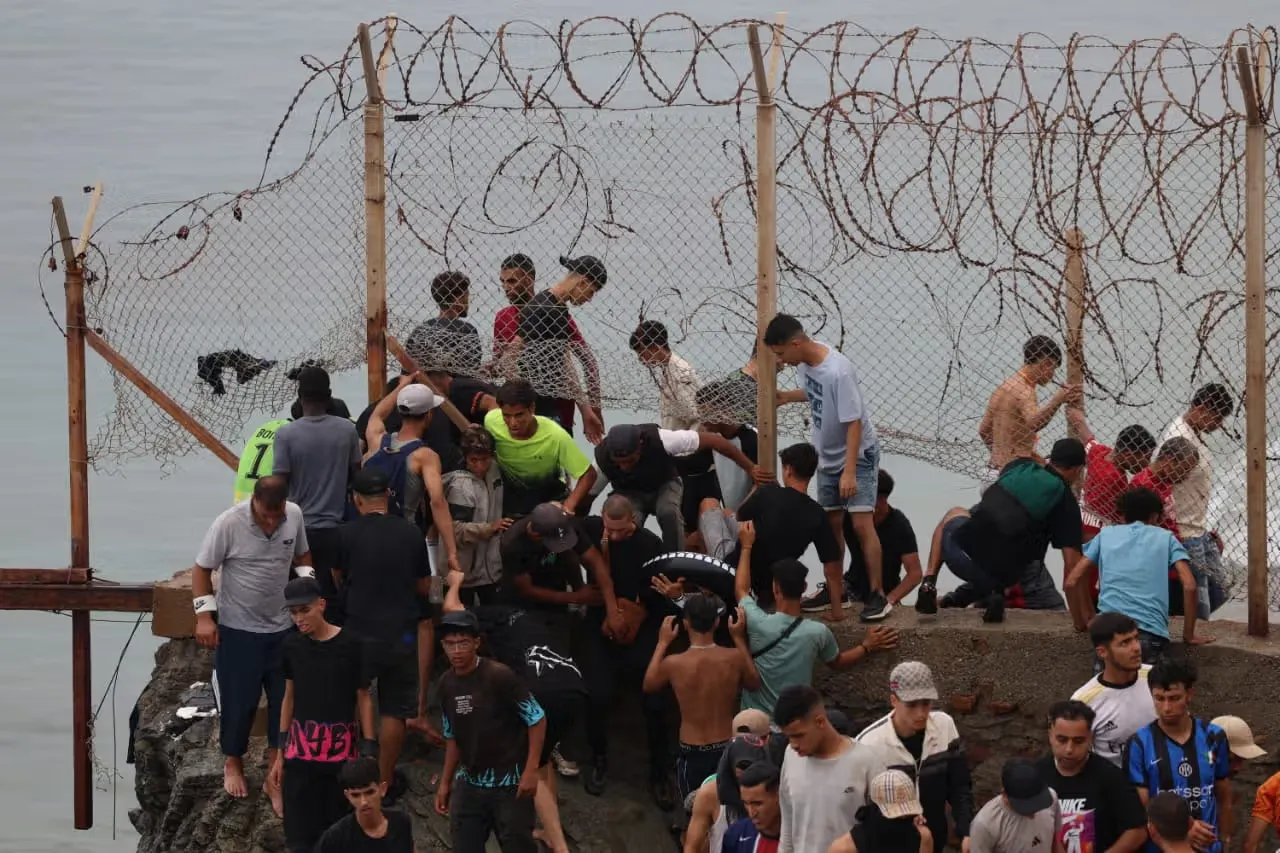
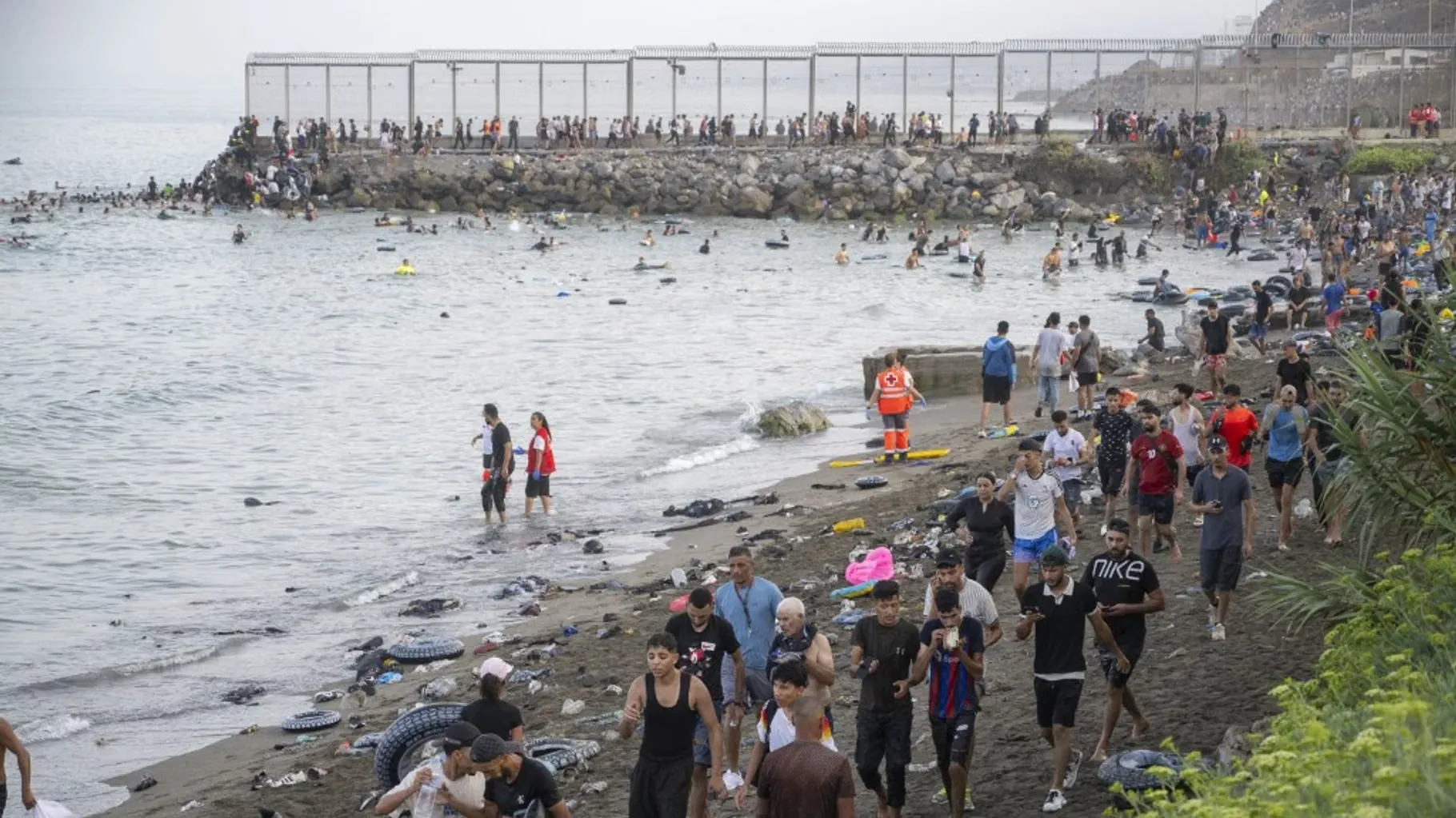
In the past few days, a significant migration crisis has emerged in Ceuta, a Spanish enclave located on the northern coast of Africa, leading to diplomatic tensions between Spain and its neighboring countries. This situation has prompted an urgent meeting of the European Union's interior ministers as they address the influx of tens of thousands of migrants attempting to enter the enclave. Notably, the Moroccan authorities have remained largely reticent regarding their involvement, despite the fact that many of the migrants originated from Morocco.
While the Spanish authorities have reported a tragic toll of 75 victims during this crisis, Morocco has only confirmed 11 deaths, raising suspicions regarding the accuracy and motives behind the differing figures. This discrepancy has led to further questioning of Morocco's role in this unprecedented migration wave. Reports indicate that Moroccan security forces may have relaxed their border controls, thereby facilitating the movement of migrants towards Ceuta.
The Implications of Moroccan Border Control Relaxation
According to various accounts, migrants who were turned back reported that there were no substantial security checkpoints on the routes leading to Fnideq, a town adjacent to Ceuta. Some security sources noted that the level of control by Moroccan gendarmerie was ordinary and not sufficient to manage the sudden surge of migrants. Experts in the field, such as Pierre Vermeren, who specializes in Maghreb studies, assert that the Moroccan police force is typically well-organized and efficient. If they had intended to prevent the inflow of migrants, they could have easily done so by reinforcing roadblocks.
Furthermore, analysts suggest that the Moroccan government might have strategically allowed the migration crisis to unfold as a form of political leverage against Spain, particularly in relation to the contentious issue of Western Sahara. The timing of the crisis coincided with the Moroccan Throne Day celebrations, an event that traditionally emphasizes the stability of the Moroccan monarchy. This raises questions about whether the Moroccan government had calculated motivations behind their seemingly passive response to the migration situation.
While concrete evidence of high-level decisions from the Moroccan government remains elusive, the mere existence of passive reactions from security forces during the crisis has fueled speculation about the government’s knowledge and possible complicity. Some observers suggest that this crisis serves to remind Spain of its historical claims over Ceuta and Melilla, Spanish territories that Morocco has sought to reclaim since gaining independence in 1956. This ongoing tension underscores the complex interplay of migration, politics, and historical grievances in the region.
As reported by huffingtonpost.fr.