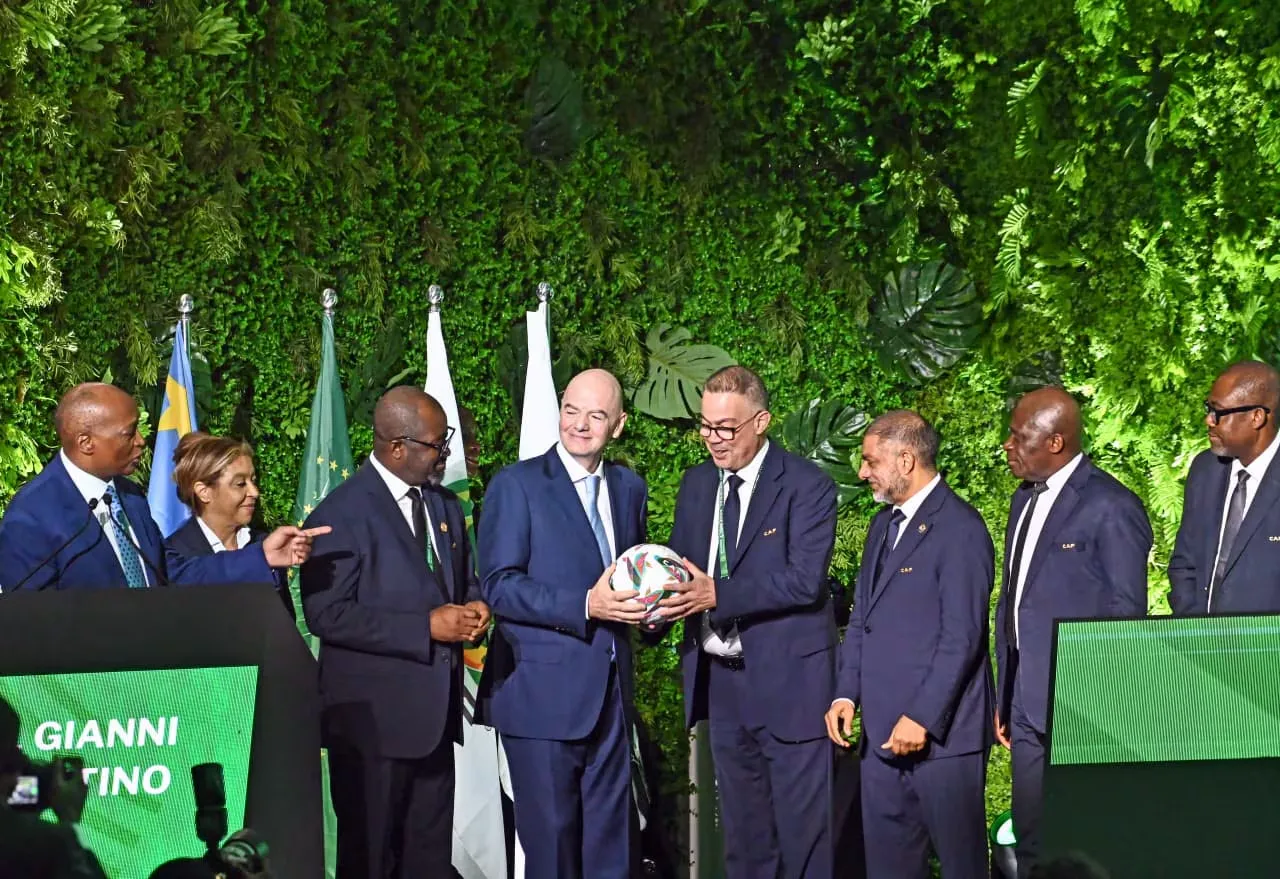
Morocco's Diplomatic Ascendancy in International Football
According to a recent article published by the Spanish newspaper AS, Morocco is making significant strides within the upper echelons of global football. The article, released on April 30, 2026, elaborates on Morocco's impressive diplomatic rise and its undeniable organizational capabilities, positioning Rabat as a new epicenter for decision-making within FIFA.
The Moroccan football scene, led by Fouzi Lekjaa, the president of the Royal Moroccan Football Federation (FRMF), is reshaping the power dynamics within FIFA. The publication highlights Morocco as a crucial partner for the international governing body of football. Notably, FIFA's president Gianni Infantino has identified Morocco as a primary collaborator, indicating the likelihood of Morocco hosting another major event, namely the Club World Cup in 2029.
However, the article also expresses concern regarding Spain's precarious position. Spain, alongside Portugal, is co-organizing the 2030 World Cup with Morocco, and this partnership raises questions given Morocco's ambitious and strategically significant role. The competition for hosting the final match of the World Cup 2030 is intensifying, particularly with the emergence of Casablanca as a formidable contender. While Madrid anticipated securing the rights to host the final at the prestigious Santiago Bernabéu Stadium, the development of the Grand Stade Hassan II in Casablanca has shifted the landscape significantly.
AS notes that the seriousness of Morocco's project has prompted FIFA to reassess its priorities, creating uncertainty about the upcoming host of the crucial final match. The article also emphasizes a recent decision by FIFA to hold its 77th Congress in Rabat, a move regarded as a major diplomatic victory for Morocco, which is now positioned as a key player in international football decisions rather than merely an observer.
The Spanish media outlet ultimately lauds Morocco for its transformative infrastructure and strong leadership, which challenge the established hierarchies of European and global football. Morocco's burgeoning influence is not just a trend but a significant shift that could redefine the future of football governance on the international stage.
As reported by sport.le360.ma.