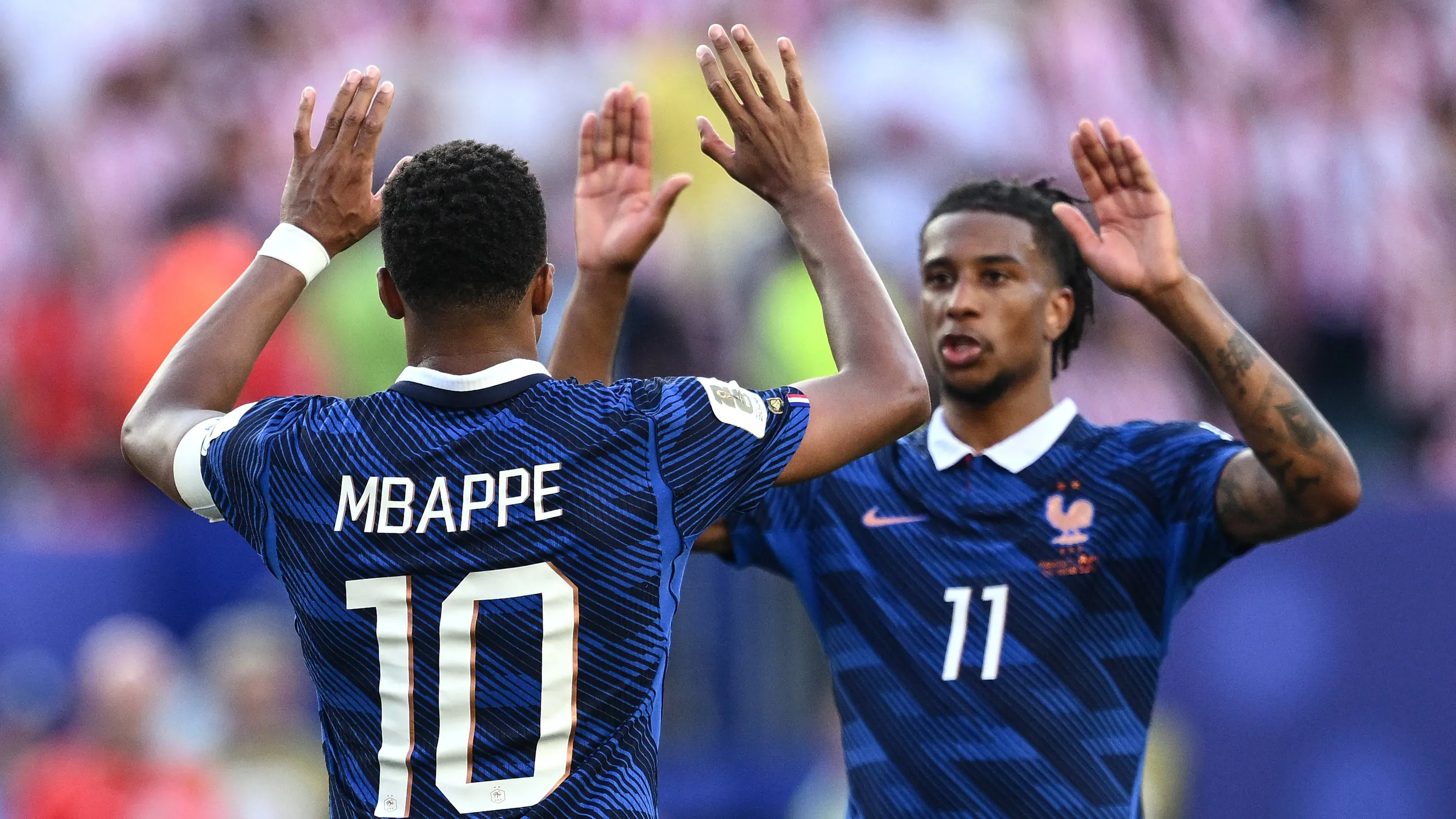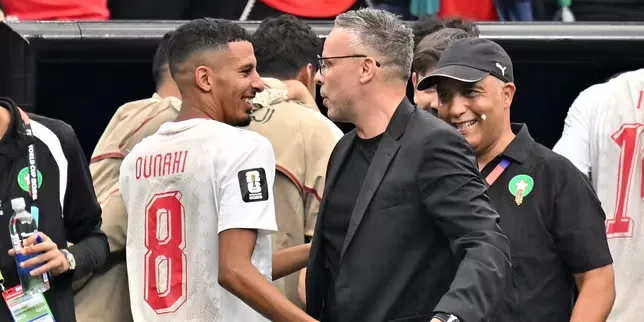
The fluorescent lights of a standard scouting office in Western Europe may not evoke a sense of artistry; rather, they emit a monotonous bureaucratic hum. For decades, men adorned with spreadsheets occupied these rooms across France, the Netherlands, Belgium, and Spain, meticulously tracking the journeys of Moroccan immigrant youth. Observing young boys sprinting across muddy community pitches in suburban Paris or maneuvering through the concrete confines of Rotterdam, local clubs often viewed these children merely as assets to be polished or discarded. However, for the Royal Moroccan Football Federation, they represented something far more significant—a scattered diaspora embodying the potential for a footballing revolution.
Historically, the narrative surrounding North African football has been one characterized by squandered potential. Although talent was never in short supply, with streets in Casablanca and the banlieues of Marseille producing players capable of mesmerizing performances, the absence of a solid structural foundation rendered this talent fleeting. It would occasionally flare up in moments of individual brilliance, only to dissipate under the intense tactical pressures of elite tournaments.
Morocco, however, recalibrated the narrative. This transformation was not a stroke of luck nor the result of a golden generation simply presenting itself. Instead, Morocco meticulously constructed an ecosystem that bridged two distinct worlds, addressing a psychological and structural conundrum that had perplexed football federation executives for generations.
The Kitchen Table Decisions
Consider a hypothetical teenager we shall refer to as Youssef. At seventeen, Youssef resides in a cramped apartment outside Lyon, his father having immigrated from Oujda two decades prior to work in construction. While he trains at a prestigious French club academy, dons the appropriate training gear, and speaks the local accent, the ambiance at home remains steeped in Arabic, with mint tea served as a staple, and emotional ties anchored to a coastline he only visits during the summer. When the French youth national team extends an invitation, it is undoubtedly an honor; yet, when a Moroccan scout comes knocking, it creates an existential dilemma.
This scenario exemplifies where traditional methodologies stumbled. Conventional scouting methods centered solely on athletic performance metrics and contract particulars, whereas the modern Moroccan approach pivoted to include the kitchen table dynamic. Federation representatives arrived not merely with jerseys and promises of playing time, but with a profound understanding of dual identity. They recognized that these boys were not merely split between two nations; they were wholly French and wholly Moroccan, navigating a world that incessantly demanded they choose one identity over the other. Instead of viewing the diaspora as a secondary resource or a fallback option for players who did not make the French senior squad, they began recruiting players early, integrating them into the national system well before European federations acknowledged their existence on any roster. By fostering relationships with families and local community leaders, they shifted the narrative to one of heritage rather than mere career optimization.
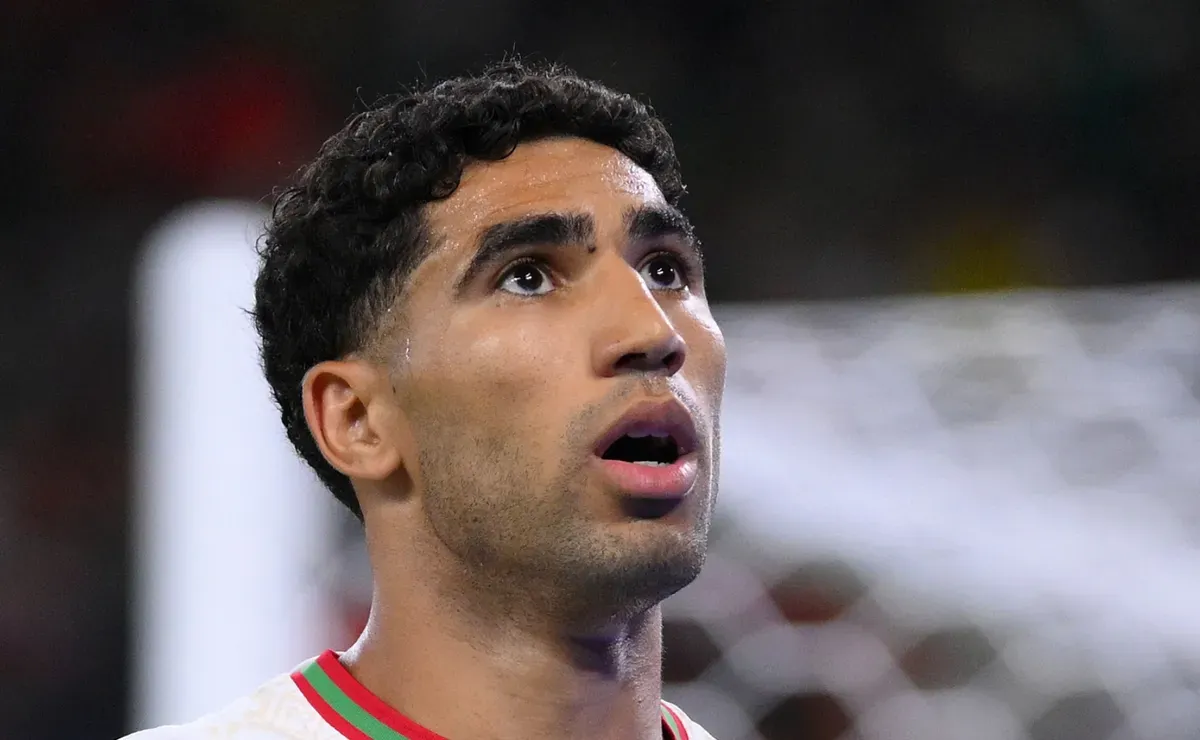
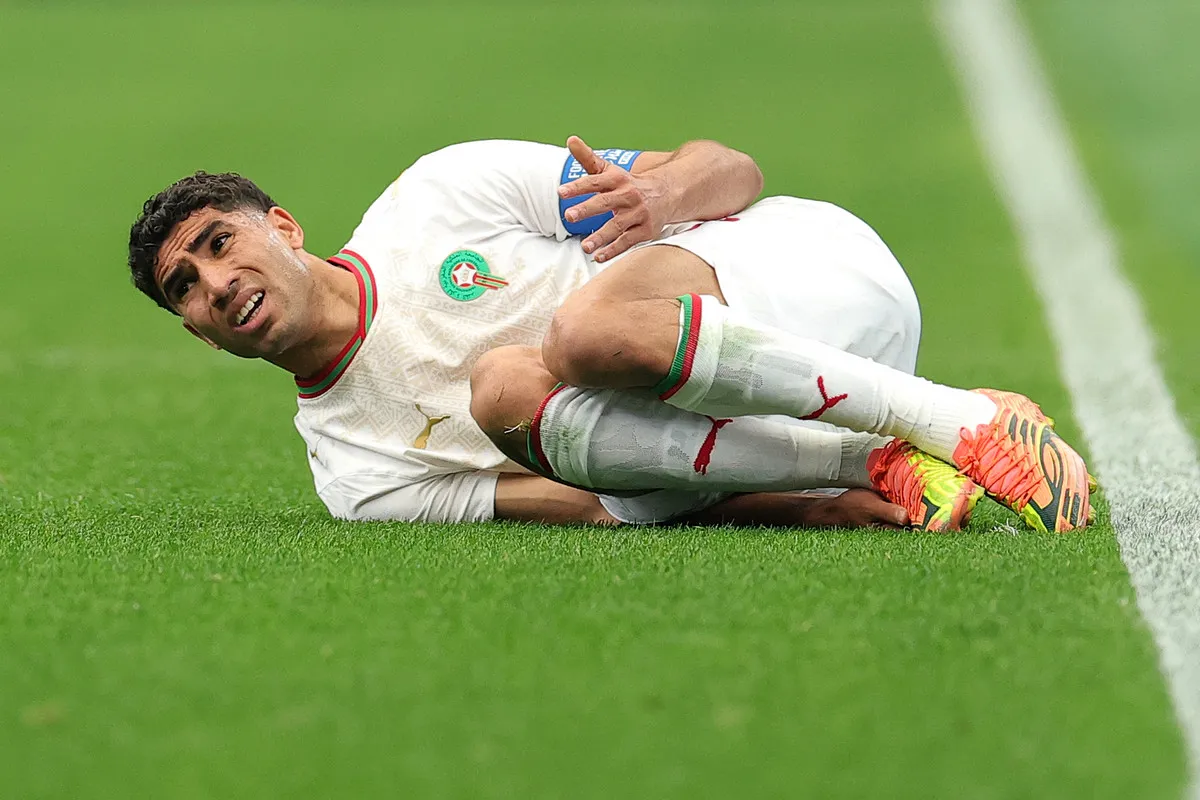
The profound effects of this psychological shift became apparent on the pitches of Qatar. When Achraf Hakimi, born in Madrid, or Hakim Ziyech, raised in Dronten, donned the red and green, they exhibited not the cautious reservation of mercenaries, but instead played with a fierce, collective passion.
The Fortress in Salé
As the scouting network actively engaged the sons of the diaspora, a parallel initiative unfolded along the banks of the Bou Regreg river in Salé. Relying solely on players born abroad risks alienating the domestic base and fostering a fractured team dynamic. Such an approach could render the local league an afterthought and inhibit the growth of homegrown talent. To combat this, the Moroccan federation invested millions into infrastructure, both in terms of physical facilities and human capital. The Mohammed VI Football Academy was conceived not as a luxurious retreat but as a bastion of high performance.
Upon entering this facility, the scale of ambition becomes evident. It is a rigorous, almost monastic environment designed to isolate the country’s elite youth from distractions while exposing them to elite European training methodologies. Scouts searched every dusty pitch across Marrakesh, Fez, and Tangier, seeking out kids who might lack formal training but possessed an innate, unrefined instinct. This created a unique competitive friction: within the national team frameworks, the street-honed, physically demanding style of domestically nurtured players collided with the tactically disciplined, highly structured education of their European academy counterparts.
Rather than fracturing the squad, this duality emerged as their superpower. Domestic players infused the team with raw, uncompromising grit, while diaspora players contributed tactical sophistication and familiarity with the elite levels of European club football.
Every structure requires a visionary engineer capable of understanding the stress points of the materials at hand. For Morocco, that architect was Walid Regragui, uniquely positioned to navigate this volatile mixture as he was the embodiment of that very experience. Born in Corbeil-Essonnes, a southern suburb of Paris, he played football in France while earning international caps for Morocco. He understood the specific isolation inherent in the immigrant experience and the fierce pride associated with homeland identity.
Upon assuming the national team role just months before the World Cup, Regragui faced a fractured squad. His predecessor had alienated key players and established a rigid, hierarchical system that suppressed emotional expression within the team. In contrast, Regragui cast aside the previous playbook, opting for simplicity in tactical implementation. He organized a compact low block and demanded that his wingers engage defensively with the same fervor as full-backs. However, his true genius lay in his ability to manage the human ego.
Regragui included players’ families in the journey, allowing them to travel with the team, capturing moments where mothers embraced their sons after historic victories. To the skeptical European media, this may have appeared a mere PR stunt, but for the squad, it represented a profound validation of their existence, merging professional responsibilities with deeply personal identities. This emotional alignment manifested on the pitch as an indomitable defensive unit, with players like Sofyan Amrabat tirelessly covering ground to shield the center-backs, throwing their bodies in front of shots not out of mere tactical obligation, but from a heartfelt resolve to honor the collective family unit cheering from the stands.
As the global football landscape evolves, the old guard remains rooted in colonial legacies and historical wealth, with European nations historically benefitting from the talent of players with immigrant backgrounds, often sidelining their communities. Morocco has inverted this power dynamic, showcasing that a nation from the Global South can stand on equal footing by providing a world-class professional environment while authentically embracing cultural identity. This transformation is not merely a fleeting fairytale or an anomalous tournament run; it represents a lasting infrastructure, where scouting pipelines are firmly entrenched. Today, every young dual-national in Europe perceives Morocco not as a sentimental alternative, but as a legitimate powerhouse where they can compete for trophies on grand stages.
As the sun sets over the academy in Salé, a new generation of teenagers prepares for training, some conversing in French, others in Dutch, and some in Darija. They stretch together, sharing laughter that requires no translation, recognizing one another without borders, united by the red jersey adorned with a star on their chests. The established powers in the football world now watch this transformative movement not with condescension, but with a palpable sense of unease.
As reported by weddings.lavenderhotels.co.uk.