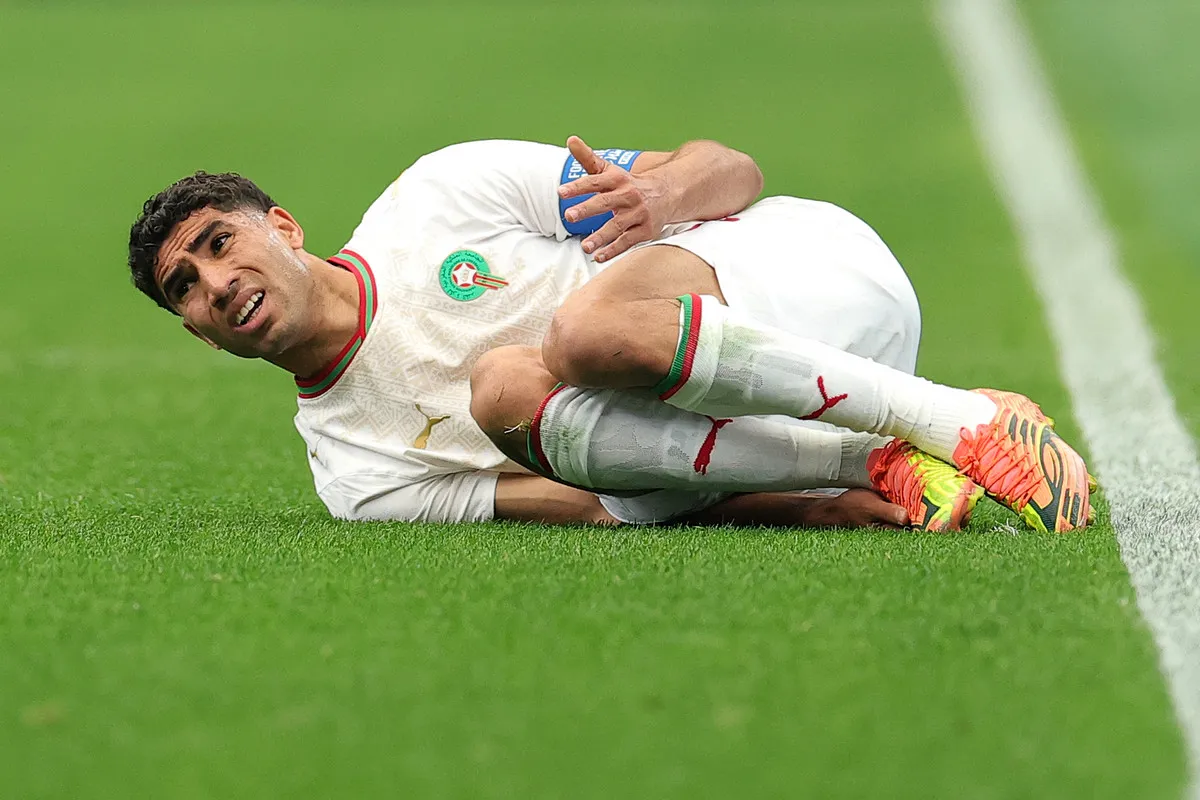
Hakimi's Case and Its Broader Implications
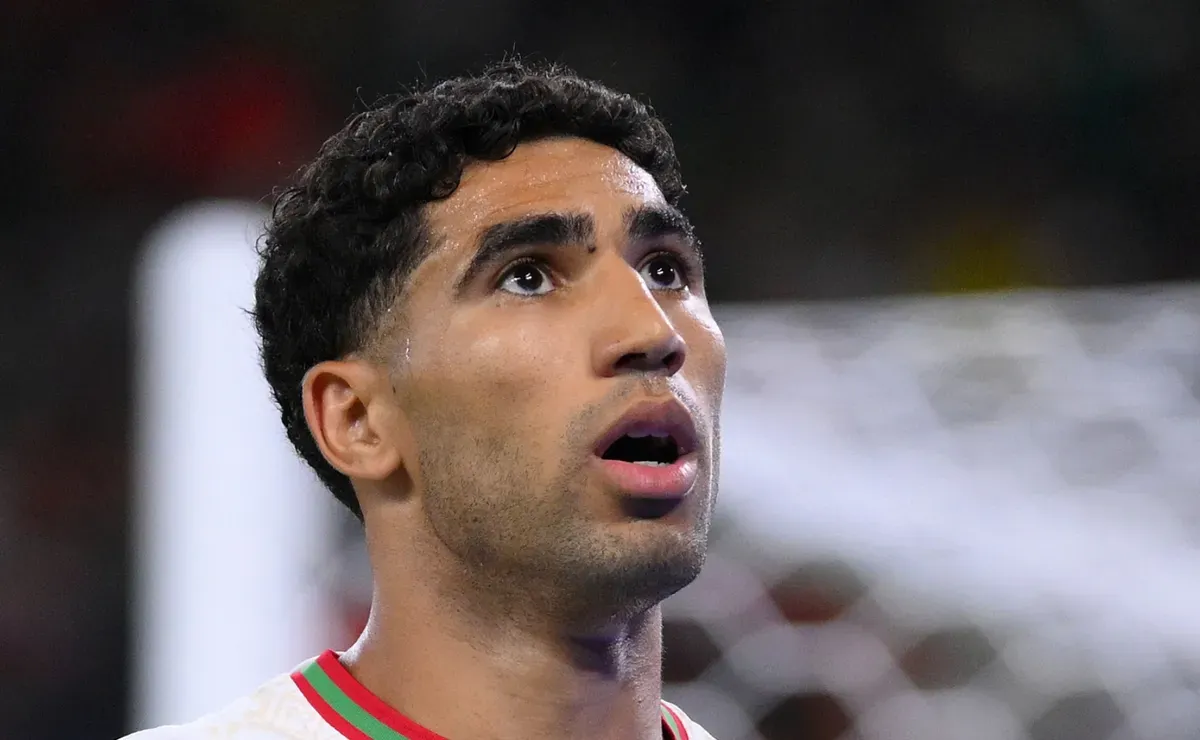
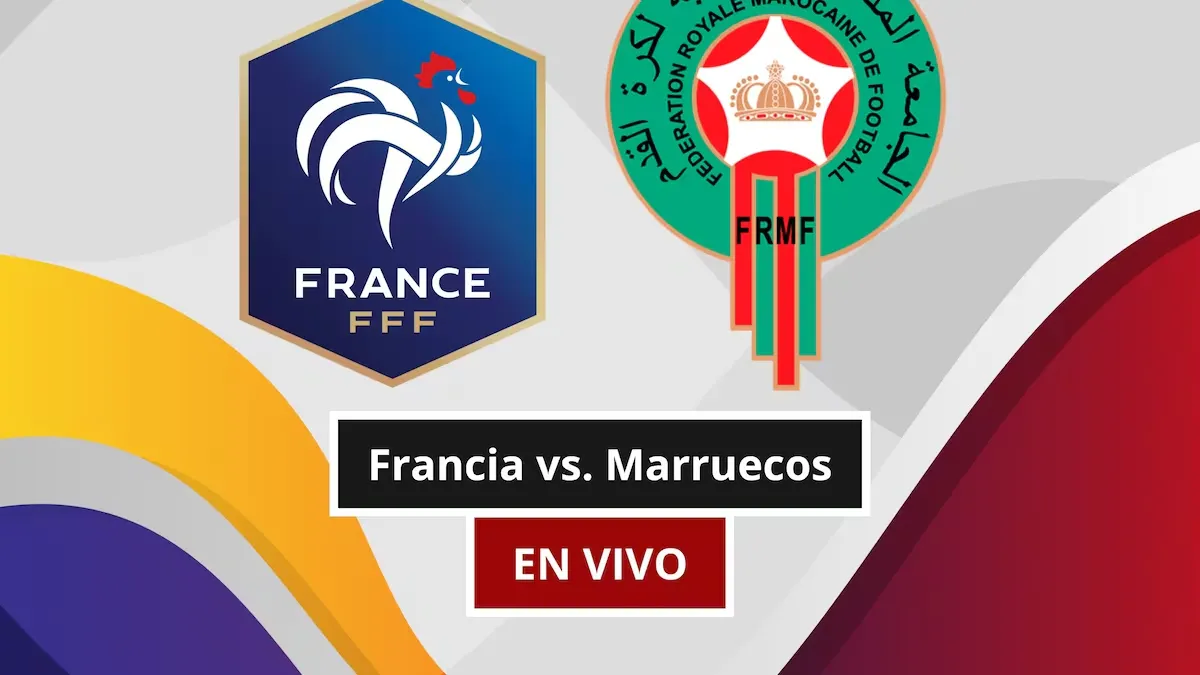
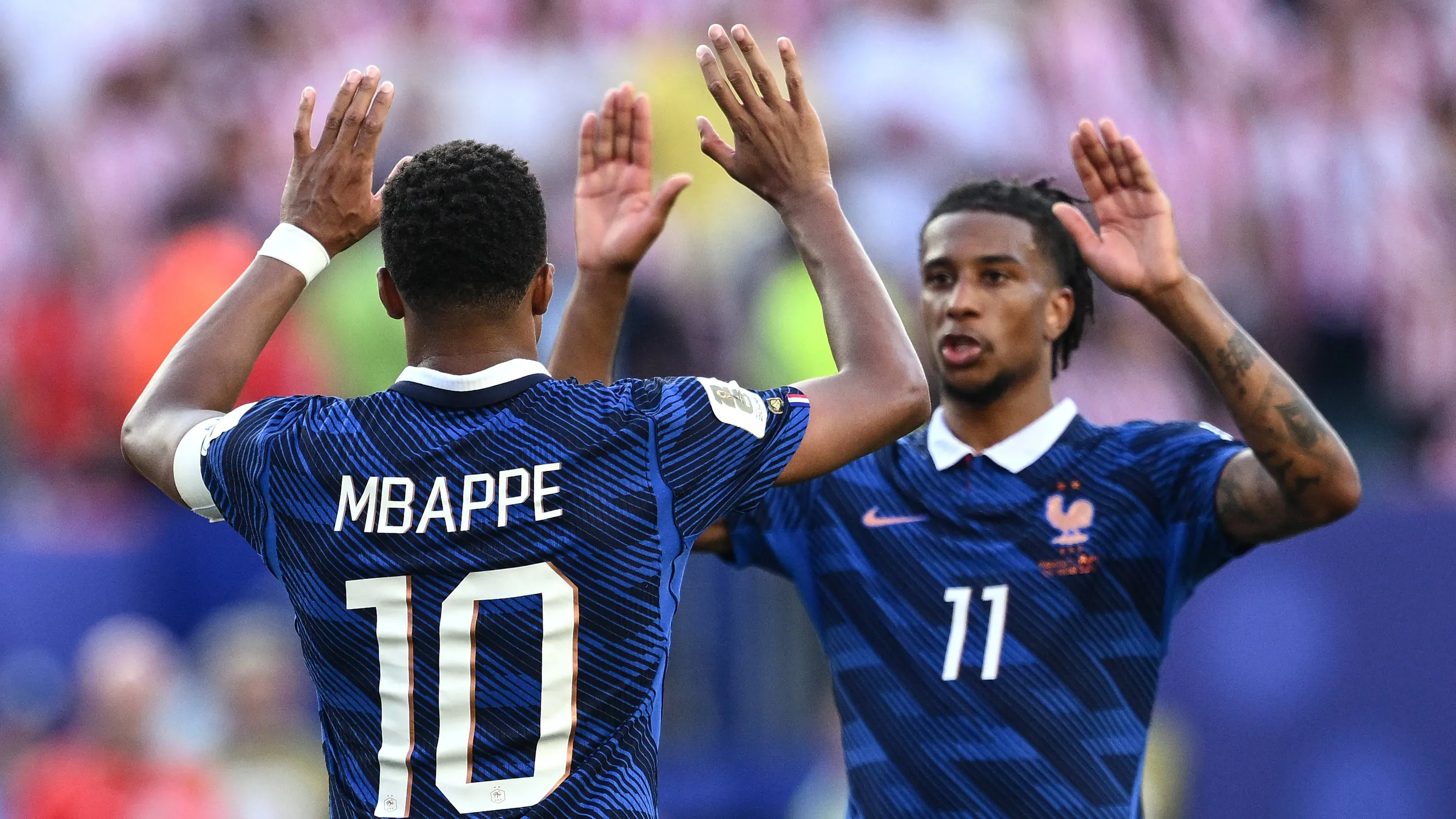
The recent legal issues surrounding Achraf Hakimi, the Moroccan captain and star defender, have ignited a complex discussion that transcends the realm of sports. As he faces a rape charge in France stemming from an incident in 2023, the narrative has intertwined with the broader cultural and sociopolitical themes that resonate within both the Muslim community and global perceptions of masculinity. The World Cup quarter-final against France serves not only as a pivotal moment for Hakimi's career but also as a backdrop for examining the implications of his case on societal attitudes towards gender, legal systems, and cultural identity.
Hakimi, who has established himself as a global football icon during his tenure at Paris Saint-Germain, vehemently denies the allegations against him. However, the stakes are significant; if convicted, he could face up to 15 years in prison, marking a dramatic end to a career that has made him a symbol of pride for many Moroccans and Muslims worldwide. As he navigates this turbulent period, the specter of a potential loss in the quarter-finals looms large, potentially concluding his World Cup journey and limiting his influence as Morocco prepares to co-host the 2030 World Cup.
The Cultural Politics of Masculinity
The discourse surrounding Hakimi has been further complicated by his portrayal in online circles, particularly within the so-called "manosphere." Following his divorce, rumors circulated suggesting he had cleverly safeguarded his assets by transferring them to his mother’s name. This narrative has been embraced by certain factions that view Hakimi as a figure of masculine resilience, often lauding him for supposedly outmaneuvering a perceived adversarial system. Such interpretations reflect a broader ideological struggle, where Western manosphere narratives depict men as victims of an overreaching state and empowered women, while similar sentiments within Muslim contexts focus on restoring traditional family structures and reinforcing divine gender roles.
The legal proceedings against Hakimi unfold against a backdrop of skepticism towards the French judicial system, particularly among Muslim communities. Many perceive the courts as biased, influenced by a secularism that targets and marginalizes Muslims. Hakimi’s case is emblematic of a larger societal tension where accusations of gender violence become entangled with racial and religious identities, complicating the narratives around accountability and justice.
As the verdict approaches, the implications of this case will resonate far beyond Hakimi himself. For many, an acquittal may suggest that celebrity status affords protection from accountability, while a conviction could reinforce harmful stereotypes about Muslim men in Western societies. The societal discourse surrounding this case underscores the urgent need for a nuanced understanding of gender dynamics, cultural identity, and the complexities of justice in a diverse society.
As reported by politico.com.