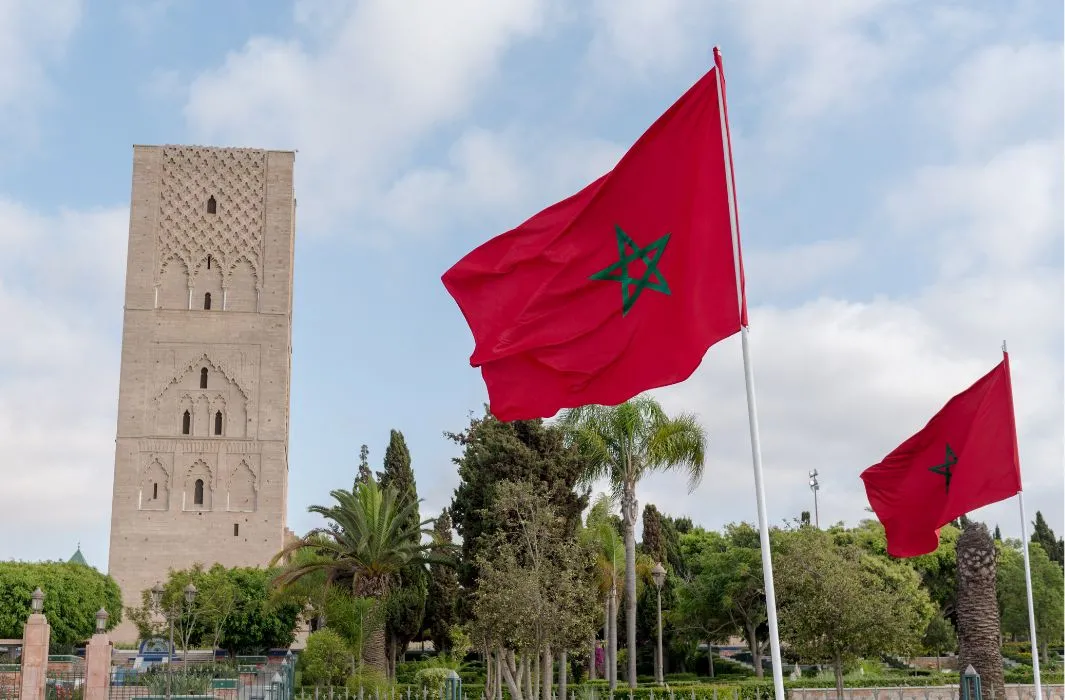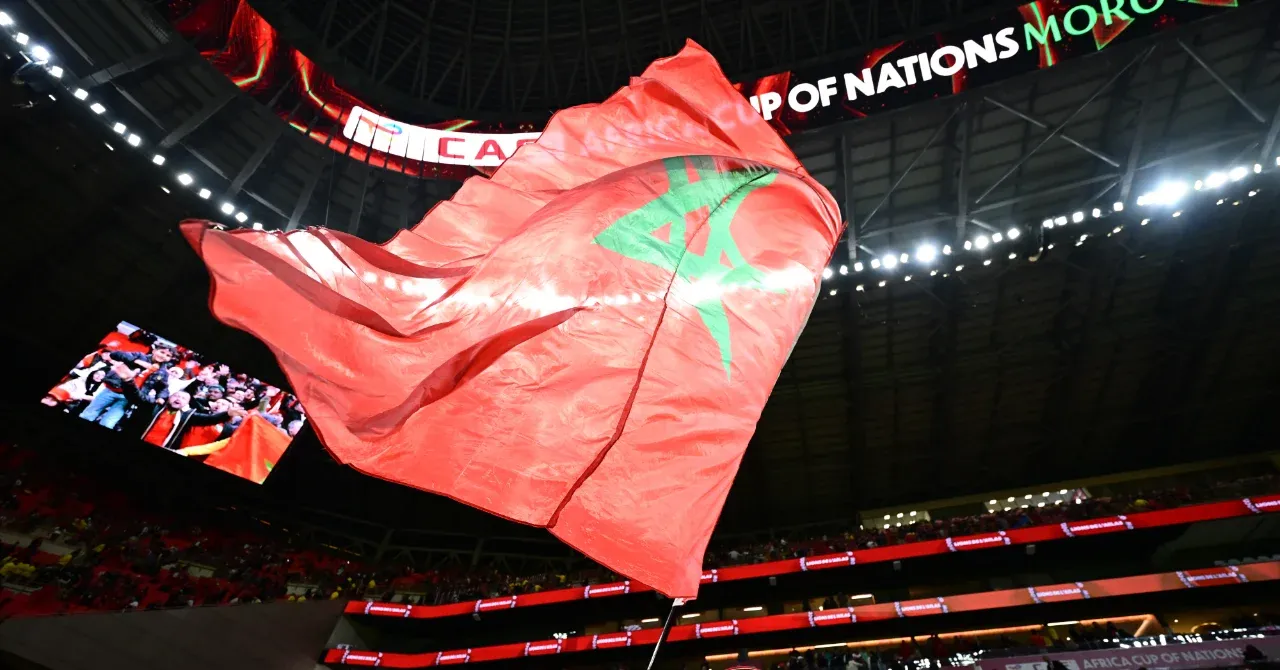

Morocco's Position as Co-Host Under Scrutiny
As the co-organizer of the 2030 FIFA World Cup alongside Spain and Portugal, Morocco finds itself at the center of a heated debate following recent tragic events that have cast doubt on its suitability as a host nation. The World Cup, which is set to celebrate its centenary, will include opening matches in Argentina, Uruguay, and Paraguay, but the inclusion of Morocco has raised significant concerns amidst escalating tensions around migration crises in the region. The recent catastrophe in the Spanish enclave of Ceuta, which resulted in the deaths of at least 77 individuals and left many others missing, has intensified scrutiny on Morocco's role in this global sporting event.
Political Reactions and Calls for Change
The Portuguese ecosocialist party, LIVRE, has expressed its dismay over the situation, calling for Morocco to be removed from the hosting trio of the World Cup. LIVRE's spokesperson, Jorge Pinto, stated that given the recent events, it is imperative for Portugal to reconsider its participation in this joint endeavor, asserting that Morocco is "not a reliable partner." Pinto emphasized that the initial proposal included Portugal, Spain, and Ukraine, and following Ukraine's withdrawal, Morocco's involvement has become untenable. He criticized Morocco's political stance, suggesting it contributes to a broader reactionary agenda that undermines European political stability.
Despite the criticisms, Morocco's position is bolstered by FIFA President Gianni Infantino, who is reportedly convening a crisis committee meeting in Morocco. The Moroccan Football Federation has also expressed its unwavering support for Infantino, particularly in light of the upcoming presidential election scheduled for March 2027. This political backing may shield Morocco from facing immediate consequences regarding its hosting duties, despite the ongoing controversies and calls for accountability.
As reported by sports.fr.