Understanding the Impact of Cannabis Legalization in Morocco
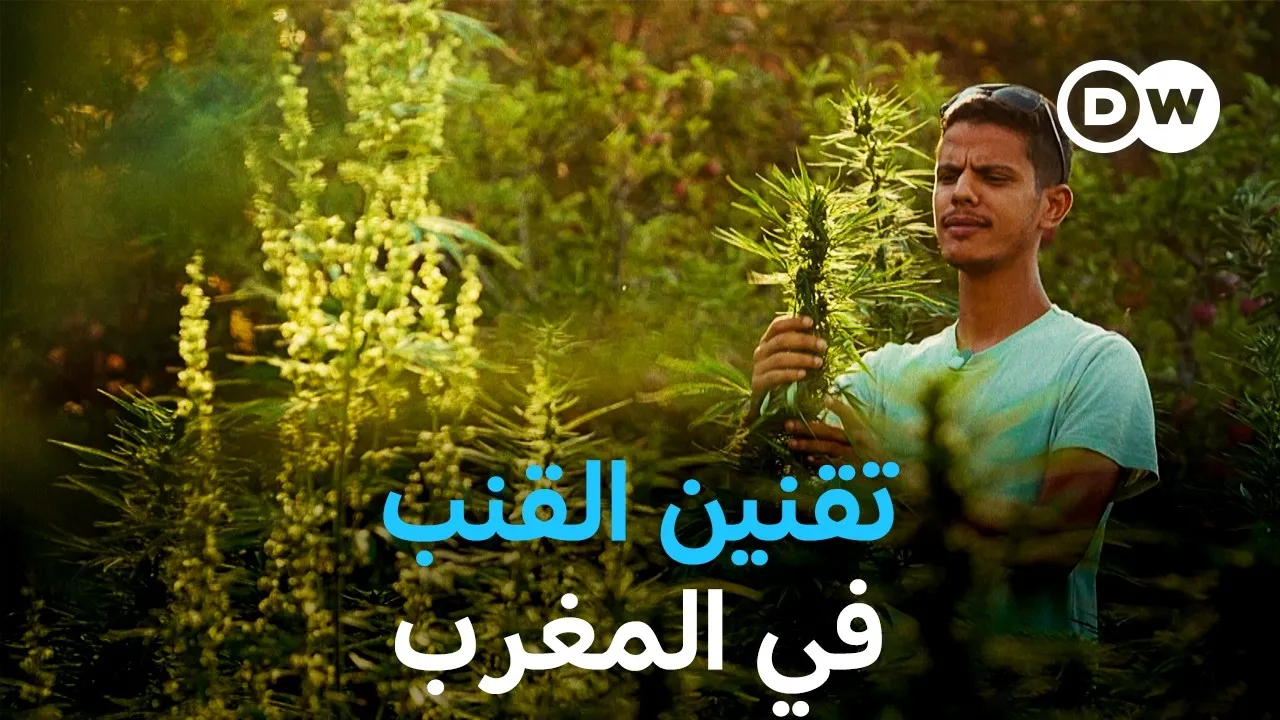
The Moroccan government's decision to legalize cannabis cultivation for medicinal purposes has been met with enthusiasm from many farmers across the nation. However, the anticipated promises of a better future remain unfulfilled for numerous small-scale farmers. In the northern region of Morocco, cannabis growers are grappling with mounting pressures due to changing climatic conditions, with water scarcity exacerbating the already fierce competition within the sector. Specifically, in the village of Azyla, which relies entirely on the trade of this plant for its livelihood, farmers are permitted to cultivate cannabis but lack the necessary licenses to sell it legally.
In the Rif Mountains, thousands of families depend on cannabis cultivation; yet, most live under precarious circumstances. The most fertile lands, where the plant thrives best, are owned by a small number of large investors who are expanding their control over this lucrative trade. Consequently, those who continue to sell their harvest illegally face the threat of imprisonment. Many farmers support the legalization process in hopes of living without the constant fear of legal repercussions. Nevertheless, the government's regulatory framework is progressing slower than anticipated, and the number of farmers participating in it is significantly lower than initial estimates.
The Medical Potential of Cannabis and Its Regulatory Challenges
The push for legalization was primarily driven by the medical uses of cannabis, which contains over a hundred compounds known as cannabinoids. The most famous of these is THC (tetrahydrocannabinol), which alters the user's perception, focus, and sense of time, but can also lead to mental health issues. Conversely, CBD (cannabidiol) is known for its calming and anti-inflammatory properties without inducing intoxication or euphoria. The legal production of medicinal cannabis is subject to strict regulations, mandatory quality standards, and comprehensive inspections, which serve as significant barriers that deter many small farmers from participating.
Simultaneously, a pervasive distrust in state institutions prevails, with many complaining about arbitrary treatment and corruption. Police officers benefiting from illegal trade undermine the implementation of reforms, further complicating the situation. This documentary explores the promises and challenges associated with cannabis legalization for Moroccan communities reliant on its cultivation, a topic that often ignites debate and division among different generations, and even within families. The complexities surrounding this issue illustrate the intricate balance between aspiration and reality in the context of Morocco's evolving agricultural landscape.
As reported by youtube.com.