Positioning as a Leader in Renewable Energy
Due to its strategic geographical location, abundant sunshine, and vast available land, Morocco is increasingly establishing itself as a regional leader in solar energy and green hydrogen. This shift is particularly significant in Europe, where green hydrogen is viewed as a pivotal technology for the decarbonization of energy-intensive industries. The Moroccan government is actively promoting this strategic orientation through energy policy goals, which include a gradual phase-out of coal-fired electricity generation by 2040 and a robust expansion of renewable energy sources. Concurrently, the nation is employing innovative planning tools, such as a national mapping system designed to identify optimal locations for solar and wind projects, which allows for more targeted investment direction.
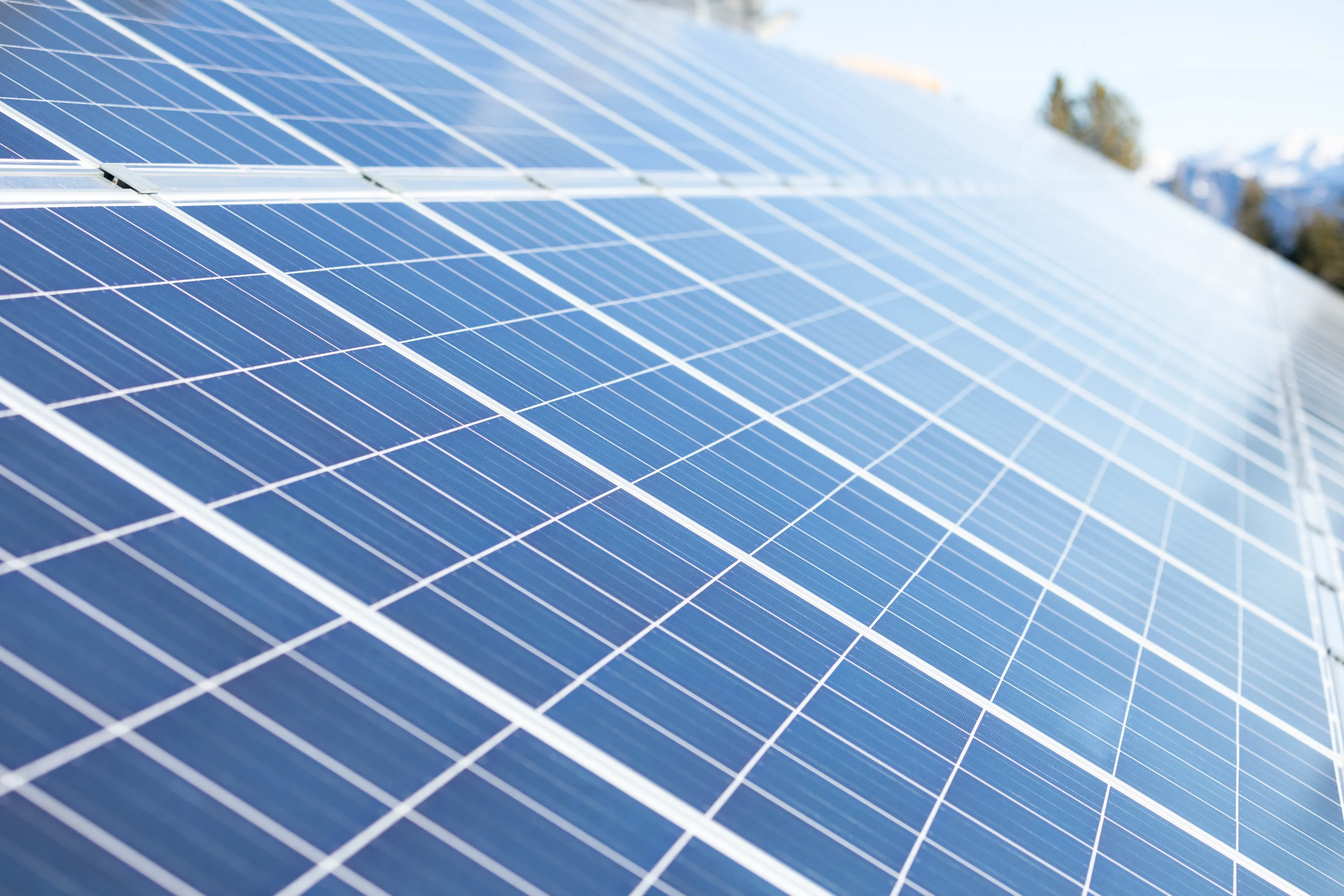
The expansion of wind energy is emerging as a central driver of Morocco's energy transition. In 2024, electricity generation from wind power surged by 43%, reaching approximately 9,363 GWh, accounting for about 21% of the country's total electricity production. Overall, renewable energies contributed around 27% to the electricity generation mix. The major wind farms are primarily located along the Atlantic coast and in the northern regions of the country. Despite this upward trend, the share of solar energy in Morocco remains relatively limited, with an installed capacity of around 1,063 MW, representing approximately 19% of total renewable electricity production—this is notable in a country that enjoys one of the highest levels of solar radiation globally. For businesses, this presents a plethora of opportunities throughout the entire solar value chain, particularly through participation in large-scale projects and significant collaborative potential in areas such as project development, construction, and operation. Additionally, innovative segments for solar installations, energy storage, and coupling with hydrogen or desalination projects provide further avenues for partnerships and growth.
Transformations in the Phosphate Industry and Green Hydrogen Initiatives
At the Jorf Lasfar site, located an hour and a half south of the economic hub of Casablanca, the transformation is exemplified by the state-affiliated phosphate company OCP. This company is transitioning from a traditional raw material exporter to an integrated industrial and technology enterprise. Leveraging the world's largest phosphate reserves, OCP is increasingly positioning itself as a global player in agricultural and industrial chemistry, with the aim of generating more value domestically and offering specialized products across the entire value chain. Simultaneously, the company is making substantial investments in renewable energy—including solar plants with a total capacity exceeding 200 megawatts—and in seawater desalination, to ensure the sustainability and resource efficiency of its production in the long run.
Within the framework of the national initiative "Offre Maroc" for green hydrogen, the planned large-scale projects are particularly focused on the southern and Atlantic regions of the country, including Laâyoune, Dakhla, and Tarfaya, which boast excellent wind and solar resources, as well as large available areas. The implementation of these projects is being carried out by a selection of international and national consortia, including the ORNX consortium (composed of Ortus from the USA, Acciona from Spain, and Nordex from Germany), which focuses on green ammonia production, and a Spanish-Emirati consortium comprising Cepsa (Spain) and Taqa (United Arab Emirates) in the realm of synthetic fuels. This initiative is further supported by key players such as ACWA Power from Saudi Arabia, Nareva from Morocco, and a Chinese consortium that includes UEG and China Three Gorges, which are developing projects across the entire value chain. In February 2026, Morocco signed initial land reservation contracts with selected investors, marking the transition from strategic planning to concrete project preparation; the initiatives are currently in the phase of detailed feasibility studies, land securing, and structural development, and have yet to enter the construction phase.
As reported by wko.at.