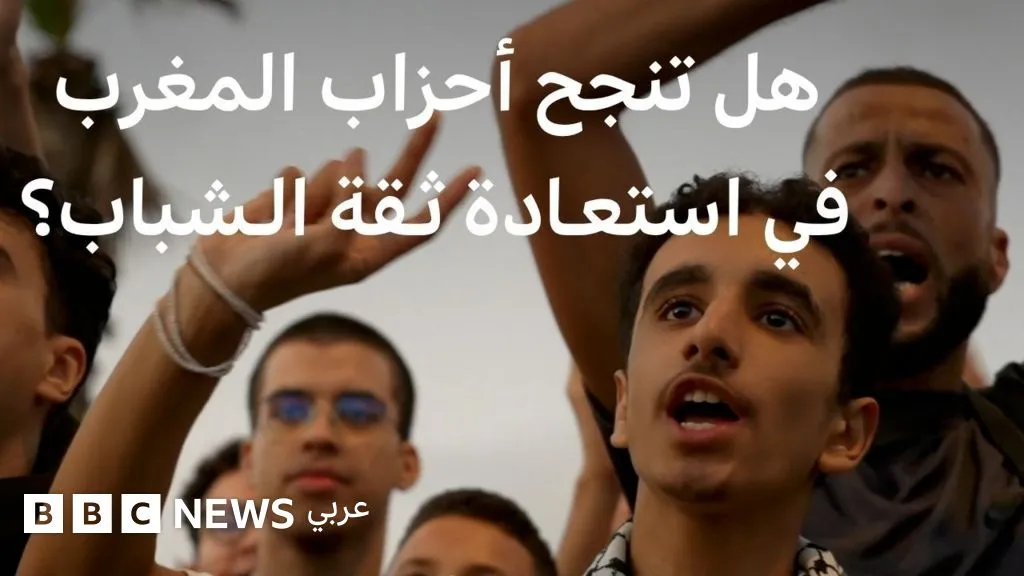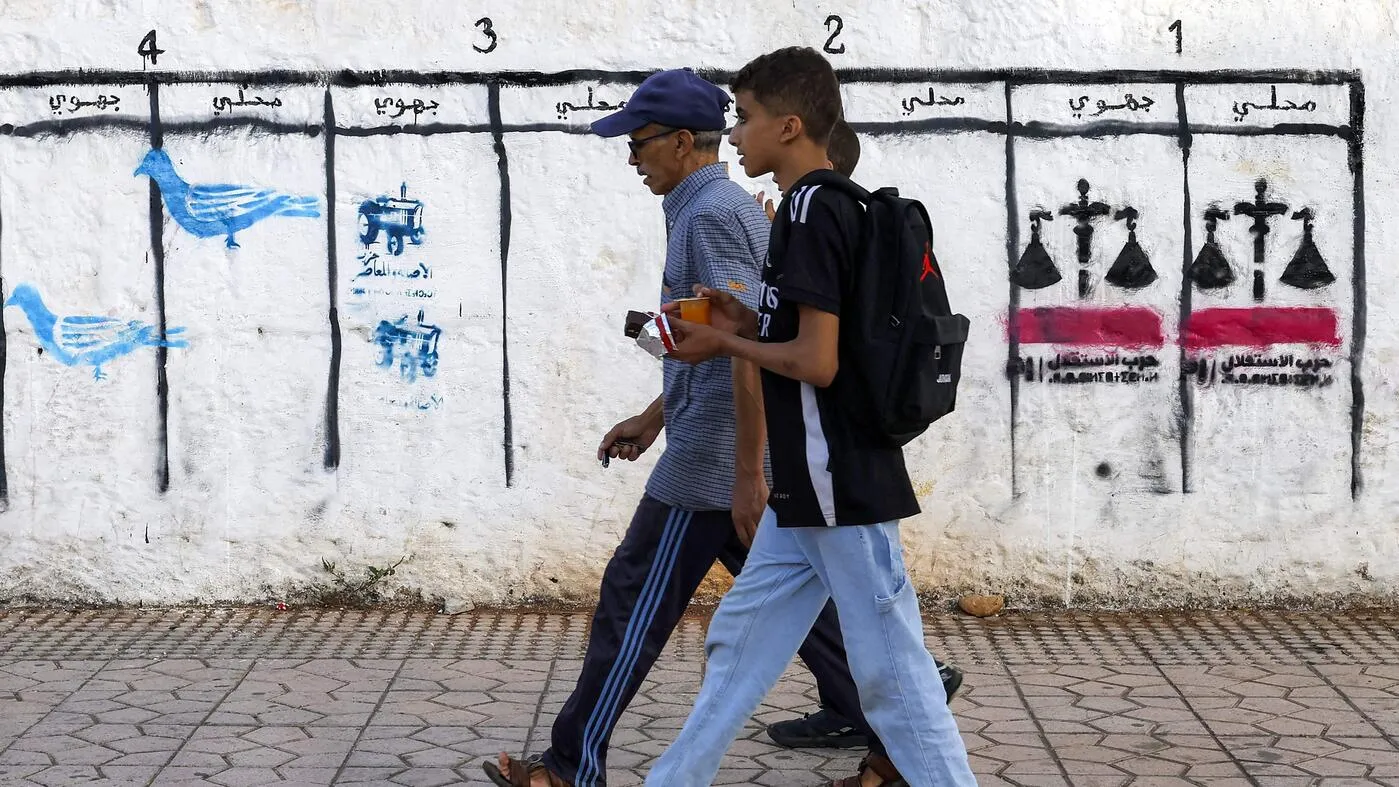

Morocco is set to hold parliamentary elections on Wednesday, September 23, 2026, amidst a backdrop of extensive electoral competition and a notably low level of public participation. This situation raises pressing questions about the extent of change that the forthcoming government can realistically bring about, as well as the influence of elected institutions in the decision-making process.
The elections will determine the composition of the House of Representatives, which consists of 395 seats, following five years under a coalition government led by the National Rally of Independents, the Authenticity and Modernity Party, and the Istiqlal Party. The new government will face numerous social and economic challenges that are expected to test its capabilities from the outset.
Political parties that have governed together during the previous term are now competing to showcase their achievements and define their roles in the upcoming phase. The number of candidates indicates a broad electoral competition, with a significant participation of women, who make up 36.47% of all nominees. However, the high number of candidacies does not necessarily correlate with a change in the parliamentary composition, as 227 current members of parliament are re-entering the race.
Political competition largely remains confined to established parties, with independent candidates having minimal representation, limited to two independent lists in local districts. The 2026 electoral campaigns appear to be characterized by a lack of mobilization, and citizen engagement with candidates is reportedly low in various regions. This lack of enthusiasm coincides with criticism directed at the government's performance and its programs, particularly concerning the rising economic and social costs of certain policies.
Consequently, observers and analysts suggest that voter turnout in the 2026 elections may be among the weakest in Moroccan electoral history. Every election reignites calls for a transition to a broader parliamentary monarchy, implying an expansion of the powers of elected institutions, particularly the government and parliament, in initiating and making decisions.
The 2011 Constitution explicitly established Morocco's governance as a "constitutional, democratic, and parliamentary monarchy," enhancing the parliament's status and broadening the government's competencies while retaining certain constitutional royal prerogatives in strategic areas. Since then, discussions have persisted regarding whether these constitutional provisions have translated into political practices that genuinely expand the scope of governmental and parliamentary decision-making.
This debate is intrinsically linked to one of the most sensitive issues in Moroccan politics: the relationship between politics, money, and influence. Allegations of corruption, bribery, the misuse of power, electoral financing, and conflicts of interest have resurfaced, alongside more serious accusations concerning political protection or cover for individuals implicated in drug trafficking networks.
The electoral process grants the leading party a fundamental role in forming the government and provides the parliament with the tools for legislation and oversight. Nevertheless, the monarchy retains a central role in strategic matters, particularly in foreign policy, defense, and key state decisions. Thus, the elections not only assess the parties' ability to attain government but also test the initiative margin available to the elected government once in power.
Foreign policy clearly delineates these boundaries. Issues such as Ceuta and Melilla have emerged as highly sensitive topics in recent foreign relations, yet they do not hold a comparable position in the electoral programs of the parties. The same applies, albeit to varying degrees, to Moroccan-Israeli relations, the future of normalization, and the level of diplomatic representation and security and economic cooperation. This raises questions about why strategic issues remain prominent in foreign policy yet absent from electoral competition.
The frequent amendments to electoral laws and the allocation of districts and seats have rendered the electoral system itself a continual source of political controversy. The electoral process is overseen by the Ministry of the Interior, rather than an independent electoral body, and the amendments made to the electoral law in 2021 have diminished the likelihood of any single party obtaining a decisive majority.
Observers contend that this management of electoral rules grants the Ministry of the Interior a significant degree of influence over the political landscape and the outcomes of voting by readjusting competition rules and seat distribution, thereby maintaining a highly fragmented party plurality and limiting the potential for a comfortable parliamentary majority.
Thus, tomorrow's elections will not merely reveal the number of seats won by each party but will also expose a political landscape shaped within an electoral system and competitive rules that have undergone multiple changes. The formation of the government will subsequently emerge as a result of this landscape, rather than a mere mathematical extension of it.
Consequently, the magnitude of change resulting from the elections will depend not only on who secures seats but also on the capacity of elected institutions to exercise the powers granted to them by the constitution, converting those powers into tangible decisions, policies, and accountability.
As reported by dw.com.