
Overview of the 2026 Legislative Elections in Morocco
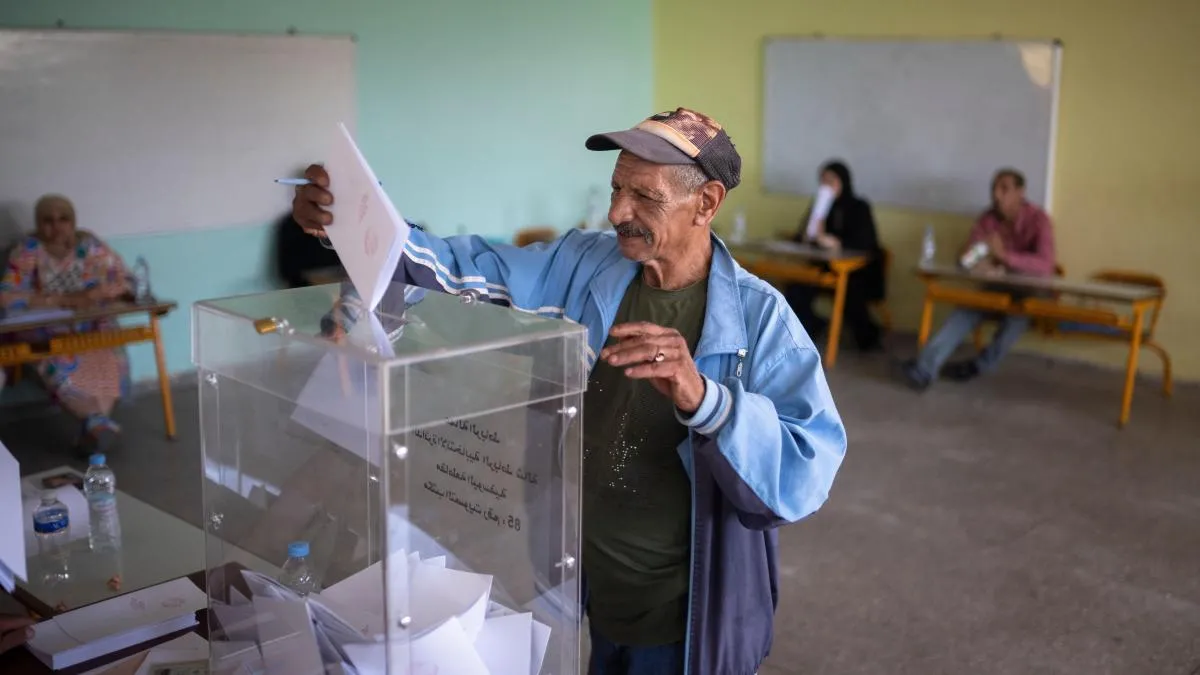
On September 23, 2026, Morocco will hold its legislative elections to select members of the House of Representatives. This election is particularly significant as it will determine the political party that will lead the new government, with King Mohammed VI expected to appoint the new Prime Minister from the party that secures the highest number of votes. As the political landscape prepares for one of the most competitive elections in recent history, the focus is not only on the number of candidates and lists presented but also on the broader implications for Moroccan society's relationship with political parties, voter participation, and the ability of these parties to regain the trust of the electorate, especially among the youth.
These elections take place against a backdrop of various political, economic, and social challenges. On one hand, there are strategic initiatives related to investment, infrastructure, social protection, and preparations for hosting the 2030 World Cup. On the other hand, there is a rising demand for employment opportunities, purchasing power, health care, education, and the reduction of social and regional inequalities. In this context, the next government will not only be tasked with continuing existing projects but also with demonstrating to voters that the benefits of these policies can tangibly improve their daily lives.
Key Statistics and Political Dynamics
The 2026 legislative elections will see 28 political parties competing for 395 seats in the House of Representatives, including a party alliance formed specifically for this electoral event, alongside two lists of independent candidates. The total number of registered voters stands at 15,801,162, with men accounting for 54% and women 46% of the electorate. Notably, 55% of registered voters reside in urban areas, while 45% are from rural regions. The demographic data shows a significant proportion of older voters, with those aged 60 and above representing over 29% of the total electorate. In contrast, young voters aged between 25 and 34 make up only 15%, and those between 18 and 24 represent a mere 4% of the registered voters.
On the nominations front, a total of 1,850 candidate lists have been submitted nationwide, comprising 7,288 candidates, resulting in an average of over 18 candidates per seat. This high number of candidates reflects the intense competition for the 395 seats in the House of Representatives. In local electoral districts, 1,615 candidate lists have been submitted, totaling 5,505 candidates, with a similar average of over 18 candidates per seat. Additionally, in the regional districts specifically designated for women, 235 candidate lists have been presented, with 1,783 female candidates participating. Overall, the election sees 2,658 nominations from women, illustrating a substantial female representation in this electoral cycle.
For the political parties, the 2026 elections represent a critical test not only in terms of the number of seats they can secure but also regarding their ability to persuade voters that political institutions can meaningfully impact their daily lives. The data regarding nominations indicates a fierce competition for the available seats, but the high number of candidates does not necessarily translate into increased public participation, making it crucial for parties to convert organizational presence into actual votes. Recent analyses highlight the challenge of mobilizing voters, particularly the youth, as a central issue facing various political organizations. For parties that were part of the outgoing government, such as the National Rally of Independents, Authenticity and Modernity, and Independence, there's an additional responsibility to defend their five-year track record, particularly as issues like unemployment, purchasing power, and public services dominate the electoral discourse.
Opposition parties, on the other hand, must transform criticism of the government into a compelling political offer that can attract voters and demonstrate the necessity for change within institutions. The election programs released show significant differences in how parties approach issues such as employment, wages, health care, education, taxation, prices, and investment. The government coalition parties are now compelled to defend their achievements while addressing pressing voter concerns regarding employment, purchasing power, and social services, all while striving to maintain their standing against opposition parties and re-establish their influence in the political arena.
As reported by arabicpost.net.