Morocco's Strategic Maneuvering Amidst Geopolitical Tensions
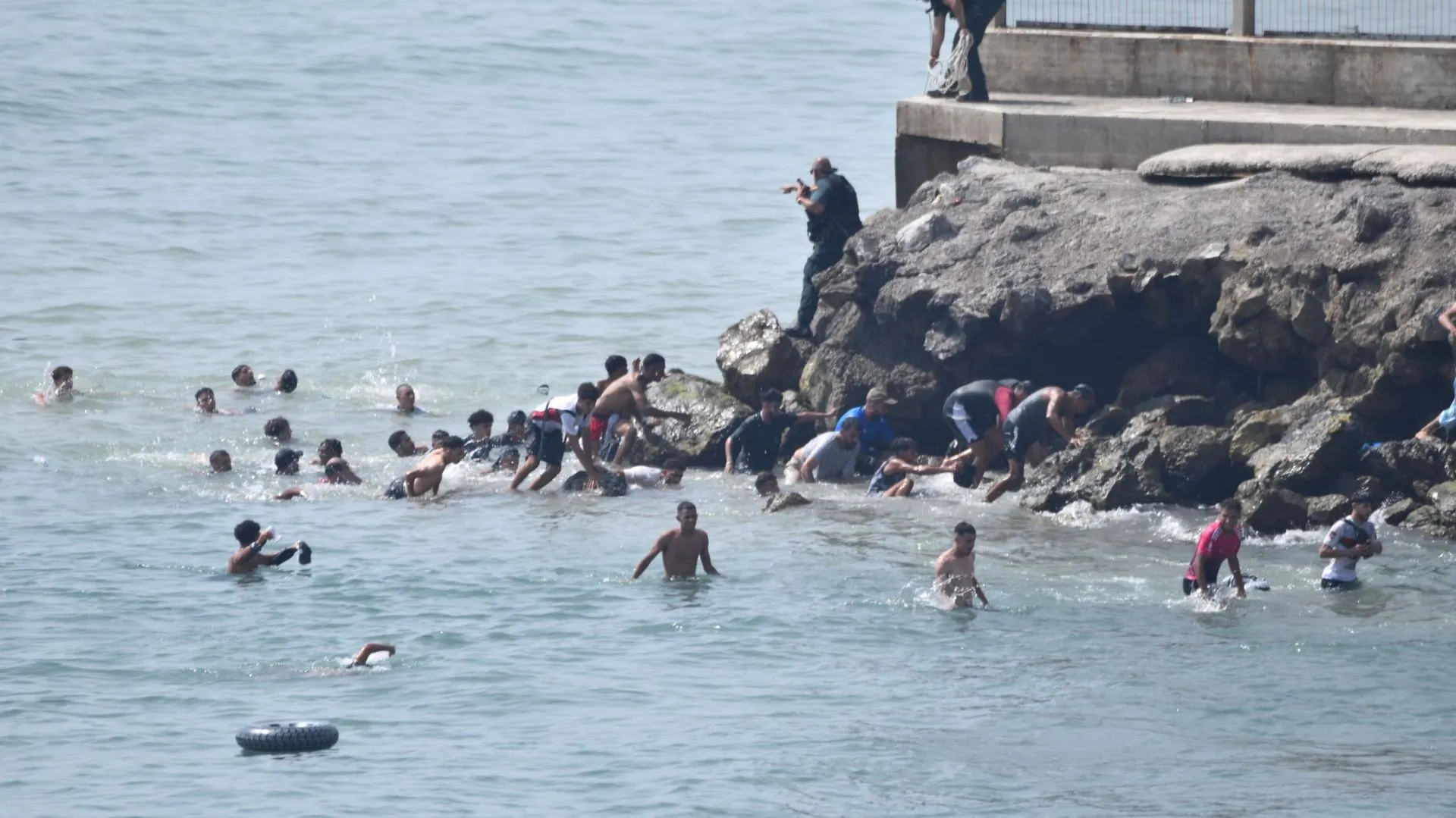
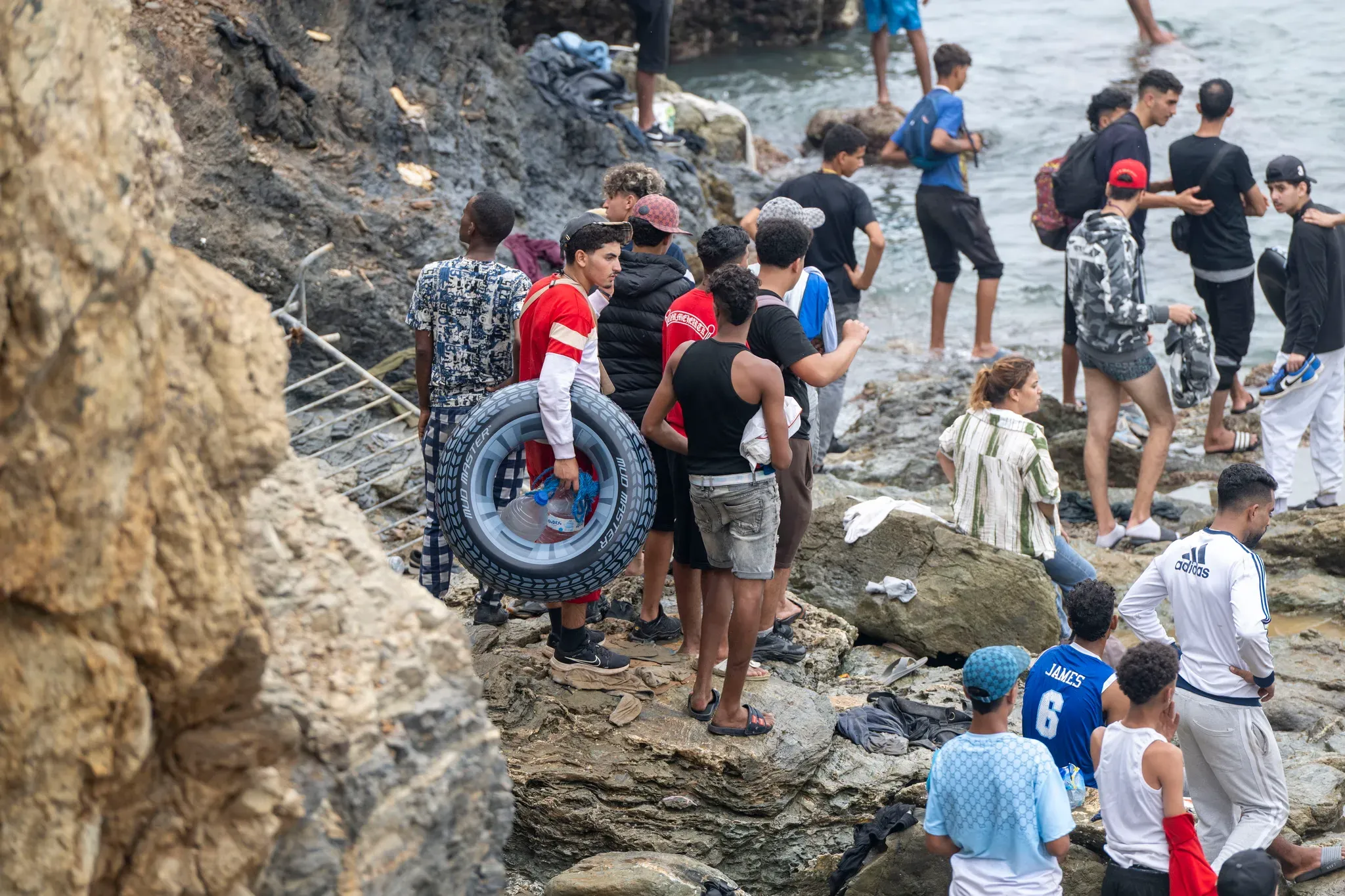
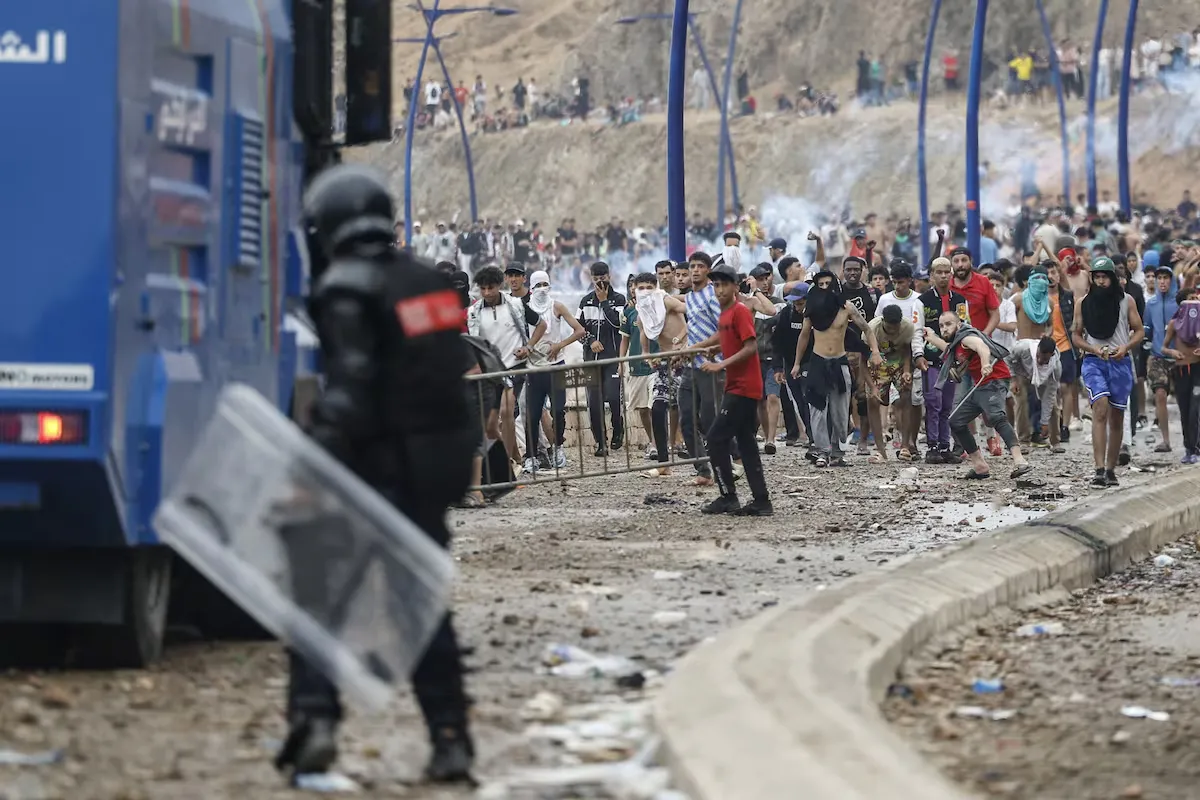
The Mediterranean Sea has long been a tragic stage for the perilous journeys of sub-Saharan migrants, but recent events have transformed it into a complex geopolitical chessboard. Approximately 50,000 individuals, primarily young Moroccans, made their way to the Spanish enclave of Ceuta, either swimming or traversing by foot to reach Spanish soil. This mass influx was not merely a spontaneous exodus; rather, it appears to be a meticulously orchestrated diplomatic pressure tactic. In a nation like Morocco, where social control is stringent, it is implausible to believe that such a large crowd could mobilize without the direct approval and operational complicity of King Mohammed VI's regime.
In response to the crisis, Spanish Prime Minister Pedro Sánchez urgently traveled to Ceuta, a city with a population of 84,000, where the social and humanitarian situation had deteriorated to the extent that businesses had to shut down and the military was deployed. He labeled the event an "attack" and a "violation of territorial integrity". However, in an attempt to avoid a direct confrontation with Rabat, Sánchez shifted the blame towards so-called "mafias" and a misinterpretation of a recent Supreme Court ruling. This ruling clarified that migrants entering the territory without breaching physical barriers cannot be subjected to automatic or "hot" repatriations. This legal loophole likely explains the massive maritime approach taken by the migrants.
Underlying Political Dynamics and International Alliances
The crux of this conflict extends beyond immigration laws and judicial decisions, delving into the corridors of regional power negotiations. The crisis erupted following a series of decisions by Spain that deeply upset the Moroccan monarchy. Just days prior to the mass crossing, Sánchez had visited Algeria to rekindle diplomatic and energy ties with a historical rival of Morocco. Adding to Rabat's grievances, the Spanish Congress had recently passed a law granting Spanish nationality to Sahrawis born under former colonial rule and their descendants, thereby reopening historical wounds regarding the sovereignty of Western Sahara, a territory illegally occupied by Morocco since 1975. Furthermore, there exists a symbolic yet nationally impactful dispute over the co-hosting of the 2030 FIFA World Cup, with both Rabat and Madrid vying for the final match to take place in their respective capitals.
The international alliances further complicate this scenario; Morocco has emerged as a crucial strategic partner for both the United States and Israel in North Africa, bolstered by the Abraham Accords and explicit support from Washington regarding its claims over Western Sahara. As the crisis unfolded in Ceuta, the U.S. administration quickly criticized Madrid, with President Donald Trump and Secretary of State Marco Rubio praising King Mohammed VI while attacking Spain's anti-war and progressive policies, accusing it of fostering "weak borders". The response from the European far-right was swift, underscoring the fragility of community cohesion amidst these tensions.
As reported by pagina12.com.ar.