Overview of the Migrant Crisis in Ceuta
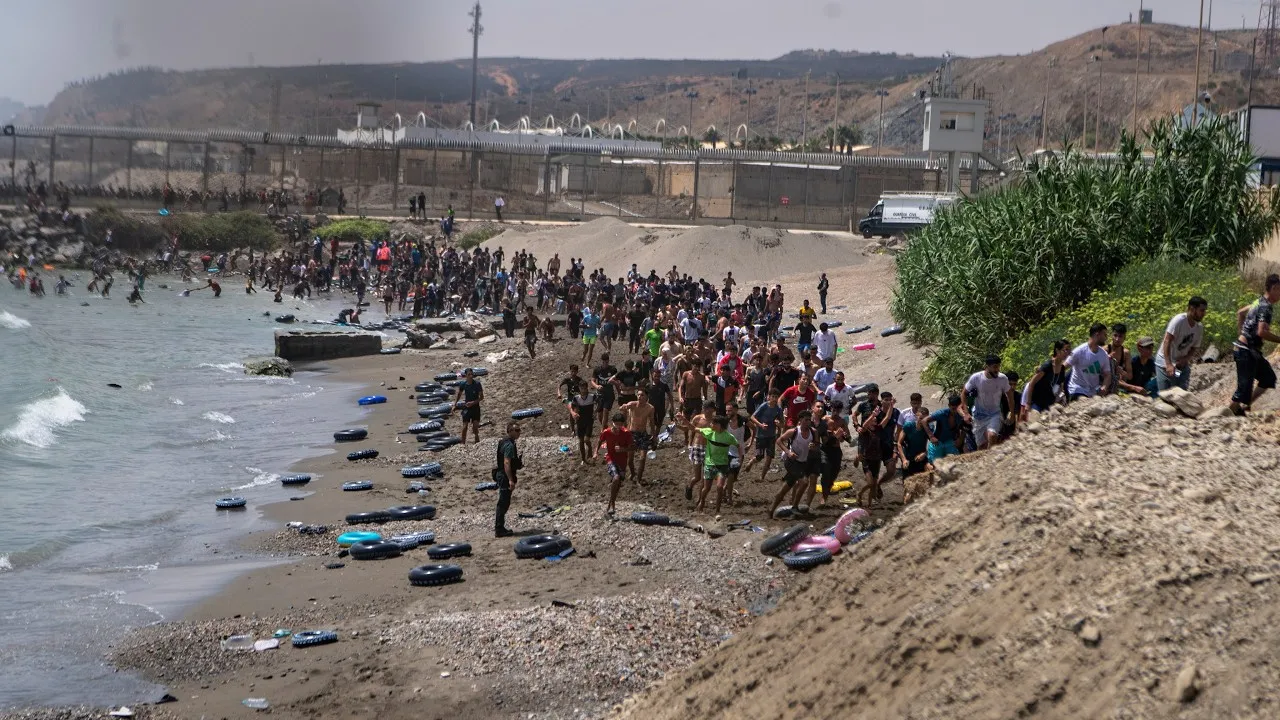
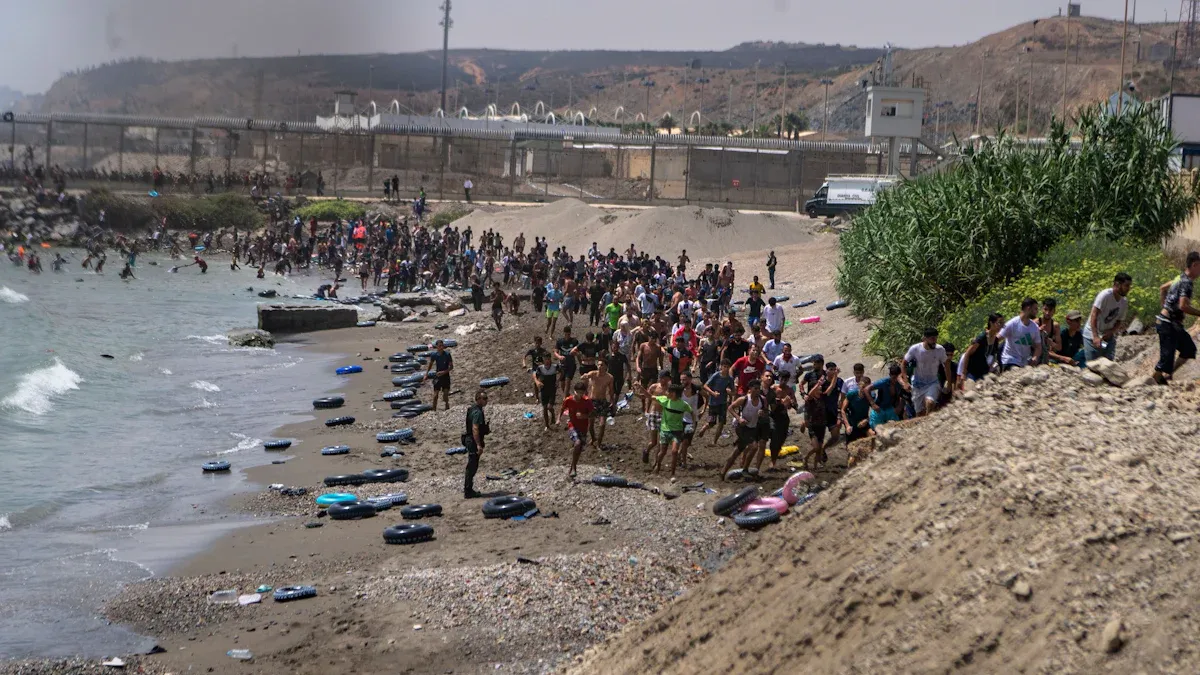
On July 31, 2026, a massive and sudden influx of approximately 60,000 migrants into the Spanish enclave of Ceuta, which is situated on the northern coast of Morocco and has a local population of about 80,000, triggered a significant crisis for both Spain and the European Union. By the end of the day, the Spanish government reported that around 48,000 individuals had returned to Morocco, illustrating the immediate response to this unprecedented migration event. In light of this situation, Spain's Interior Minister, Laurent Nuñez, announced a fivefold increase in police and gendarmerie presence at the Franco-Spanish border, raising the total to 334 personnel, with additional measures including enhanced drone surveillance to monitor the situation.
International Responses and Political Reactions
In response to the crisis, Italy announced a temporary closure of the Schengen area to Spain, with Foreign Minister Antonio Tajani stating that this measure was deemed necessary to protect the security of citizens and uphold European borders. He emphasized that the situation in Ceuta underscored the urgent need for collective European action. Meanwhile, French President Emmanuel Macron expressed solidarity with Spain, assuring that France would provide necessary assistance, including through Frontex, and called for reinforced border controls if required. The political landscape around this crisis has been complicated, with former U.S. President Donald Trump comparing the situation to an invasion and warning of similar outcomes in the United States if Democrats regain power. This sentiment was echoed by Spanish Prime Minister Pedro Sánchez, who urged European leaders to unite rather than divide during this critical time.
The crisis has also prompted accusations from the United States, suggesting that Spain's policies have inadvertently facilitated illegal immigration. The U.S. Department of State highlighted this issue, calling for a reevaluation of Spain’s immigration strategies. Additionally, the Danish Prime Minister Mette Frederiksen proposed that the EU should consider suspending Spain from the Schengen area due to the uncontrolled migration, while the British government offered support to Spain as it navigates this challenging scenario. The influx and the subsequent fatalities—34 migrants tragically lost their lives attempting to enter Ceuta—have underscored the humanitarian and political dimensions of the crisis, prompting calls for urgent international cooperation and action.
As reported by la-croix.com.