Understanding the Risks of Food Inflation in Morocco
As global geopolitical tensions loom, Morocco finds itself navigating a complex landscape that combines promising agricultural prospects with significant logistical bottlenecks. Recent analyses indicate that while soft wheat remains protected, the animal, sugar, and oilseed sectors are increasingly vulnerable to secondary inflation effects along with port congestion, which is eroding the country's maneuverability in managing food prices. This situation is starkly outlined in the latest reports from various international agencies, including the FAO, which warns of a systemic shock to global agribusinesses and the World Food Programme's alerts about impending catastrophes affecting millions. Notably, the ongoing conflict in the Middle East has not only devastated energy and industrial capacities but has also created strategic bottlenecks at crucial trade routes such as the Strait of Hormuz, exacerbating fears of a global food crisis.
Despite Morocco's expectation of one of its strongest agricultural seasons in years, the question remains: is the nation truly insulated from these global shocks? According to Siham Fellaoui, the General Director of the National Federation of Grain and Legume Traders (FNCL), Morocco's food supply is less directly affected by the Strait of Hormuz, as the majority of its grain imports come from Europe, North America, and the Black Sea region, which continue to operate normally. Current prices for wheat are around 194 euros per ton, which is below the historical average of 202 euros, indicating that the situation, at least for now, seems manageable. However, the increase in transportation costs—up by 15% to 20% due to rising oil prices and logistical disruptions—poses a significant challenge for the Moroccan market.
The Domestic Challenge of Food Supply
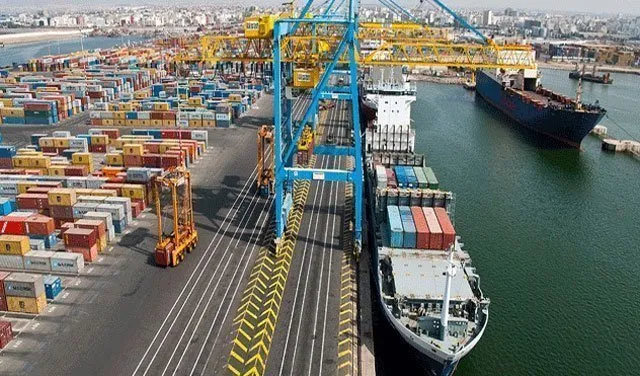
While the international supply of grains remains relatively stable, Morocco's real dilemma stems from internal logistical issues. Since last November, adverse weather conditions have led to a persistent congestion crisis at the Port of Casablanca, which handles up to 70% of the country's cereal imports. This past week, for example, 19 bulk carriers were waiting offshore, highlighting the severity of the situation. The financial implications of this congestion are staggering; with delays costing between $18,000 and $20,000 per day for each ship, the overall expenses could escalate dramatically, adding nearly 10% to the value of goods onboard. This financial burden, as pointed out by industry leaders, overshadows concerns related to global price increases.
Moreover, the depletion of buffer stocks due to shipping delays means that any real supply shock could lead to immediate price hikes for consumers. The current reliance on day-to-day operations amidst this uncertainty is alarming for producers like Youssef Alaoui, president of the Interprofessional Federation of Poultry Sector (FISA), who emphasizes that the increase in demurrage fees impacts costs significantly more than the fluctuations in global prices. The Moroccan government has implemented measures to support the soft wheat sector, including public compensation to stabilize bread prices at 1.2 dirhams, ensuring accessibility despite international market fluctuations. However, as the harvest looks strong with projections of 90 million quintals, the distribution between barley, soft wheat, and durum wheat will be critical. The government plans to restrict imports in June and July to prioritize local production collection, a strategy that could extend further if millers cannot absorb the available stocks, leading to a precarious balance for food security in Morocco.
As reported by medias24.com.