
Morocco's Stance on European Migration Policies
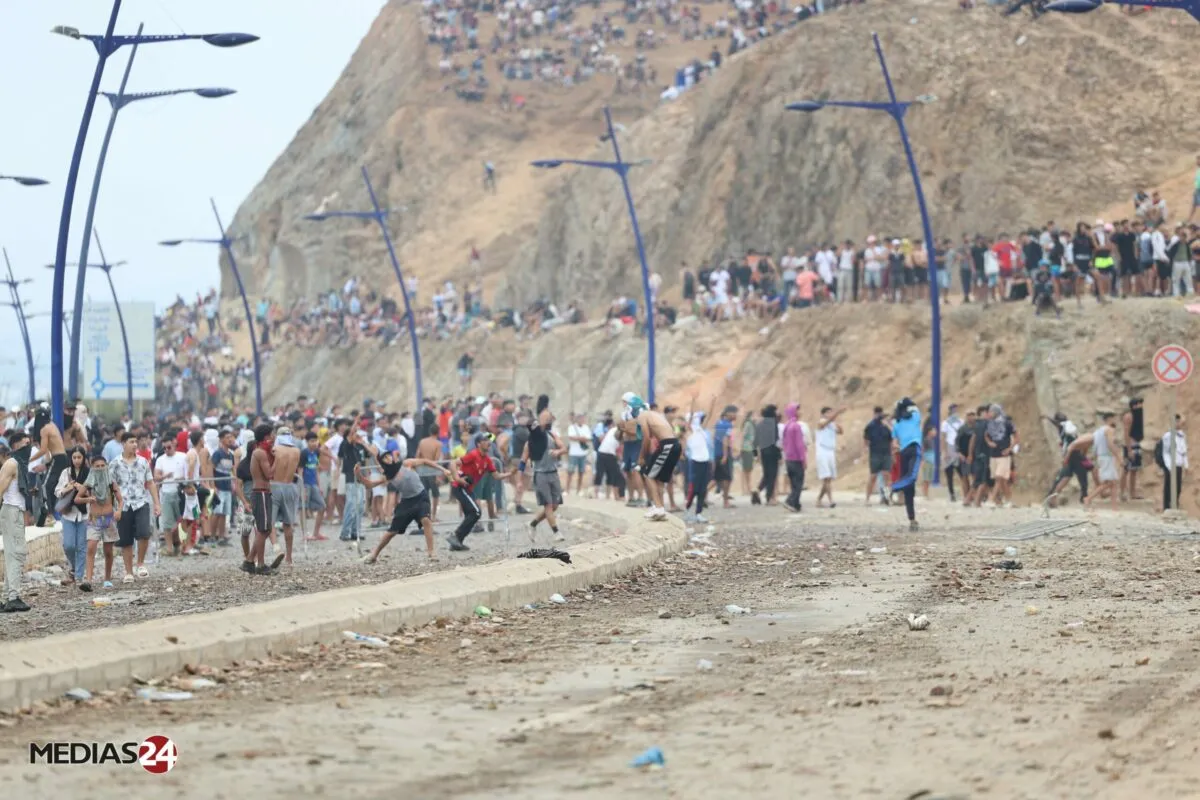
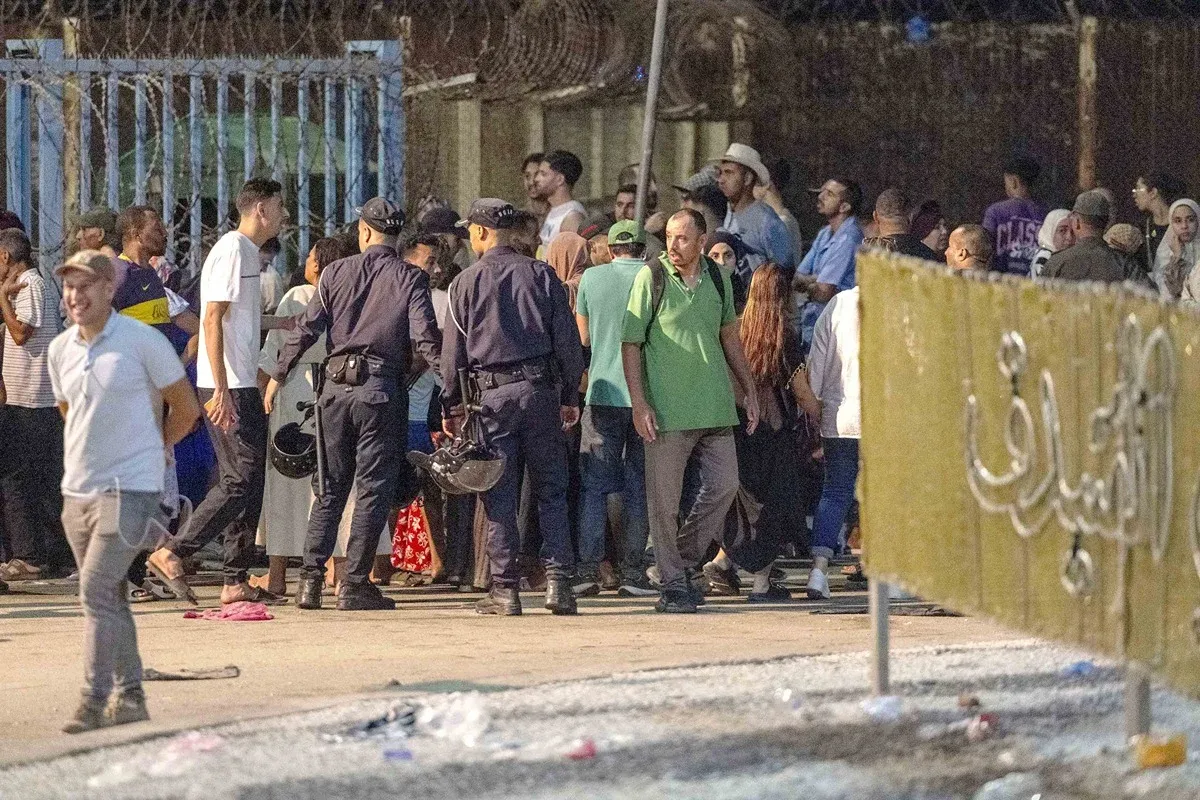
A government source from Morocco recently asserted that the country does not serve as Europe’s police or caretaker, emphasizing its position as a sovereign partner rather than a subcontractor in the ongoing migratory challenges faced in the region. This statement comes in response to the events that unfolded on July 30 and 31, when a significant number of migrants attempted to cross into occupied Ceuta. The official criticized the sensationalist media coverage and the inflammatory comments made by various political figures during this crisis, noting that the reactions were disappointing and lacked the necessary historical perspective.
The official expressed concern over the strategic shortsightedness displayed by some political actors, as well as the politicization of issues surrounding migration. "Morocco is neither the gendarme nor the concierge of Europe. We operate as a reliable and committed partner within a mutually understood framework, which cannot be one-sided," they emphasized. In this partnership with Europe, it is crucial that all parties assume their responsibilities, and the rules governing this collaboration need to be updated. The source pointed out that simply injecting funds will not magically resolve the complexities of migration.
Call for Change in Migration Management
The government source reiterated that Morocco has reached a definitive conclusion regarding the need for a change in engagement rules, stressing that it is essential for everyone to understand that Morocco protects its territory and will not allow others to take that responsibility on its behalf. Furthermore, they highlighted that there is no exclusively security-based solution to the migration issue, a sentiment that has been proven true as there has been a significant voluntary return of migrants, mirroring the movement towards Ceuta.
This return signifies a critical truth: King Mohammed VI has invested heavily in the socio-economic development of Morocco and its northern provinces. The source noted that many young people have returned because they have seen for themselves that the situation in Morocco is better than the imagined paradise they once sought. They emphasized that this return was voluntary, with Spain reporting that 95% of individuals left Ceuta of their own accord, rather than due to any action taken by Spain.
The myth of an Eldorado has been dismantled by these returning youths, who have demonstrated through their choices that the best response to illegal migration lies in development. The government source underscored that this reality supports Morocco’s ongoing development efforts and the strategic decisions made under the leadership of His Majesty King Mohammed VI, which have resulted in unprecedented economic and social progress, including the creation of over 430,000 jobs.
Lastly, the source called on Europe to engage as a partner invested in Morocco’s development, urging it to cease implementing decisions and measures that hinder this progress, including those affecting Moroccan ports and the automotive industry, as well as the finance, services, transport, and offshoring sectors.
As reported by fr.hespress.com.