
Morocco and Spain Strengthen Cooperation on Immigration Issues
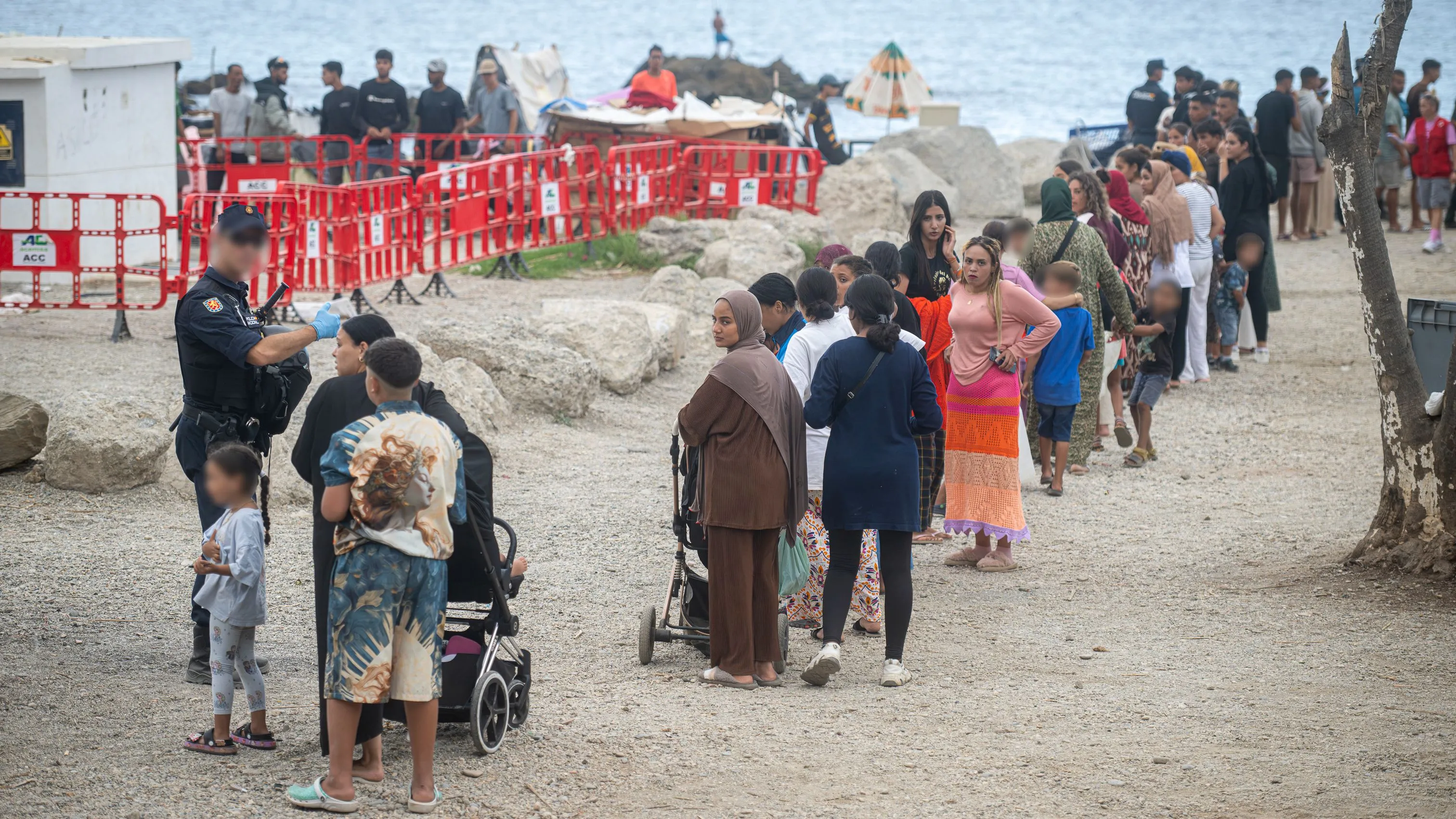
In a significant diplomatic development, Morocco has pledged to collaborate with Spain in the return process of immigrants who entered Ceuta irregularly between July 30 and 31 and are still residing in the city. This commitment was made public by sources from the Spanish Ministry of Foreign Affairs, highlighting the cooperation between the two nations following a massive influx of migrants. The meeting between Spanish Foreign Minister José Manuel Albares and his Moroccan counterpart, Nasser Bourita, took place on Thursday in New York at the United Nations headquarters, where they discussed the return of nearly 10,000 individuals currently present in the enclave.
According to these sources, Morocco has reiterated its full cooperation to ensure that those migrants who do not qualify for asylum return as soon as possible. This meeting marks the first in-person encounter between the two ministers since the significant entry of migrants into the autonomous city, underscoring the importance of maintaining strong bilateral relations. Albares emphasized that the discussions would focus significantly on the return of irregular migrants still in Ceuta, revealing the priority of this issue in their talks.
Challenges Surrounding Minor Immigrants and Territorial Integrity
One of the most contentious topics discussed was the return of the approximately 3,000 minors currently in Ceuta. The Moroccan Ministry of Foreign Affairs has urged Spain to facilitate their return, assuring that they would not pose any obstacles to their reception. However, Spanish legislation mandates a protective legal procedure, and the Spanish government, as noted by Minister of Childhood Sira Rego, anticipates that most of these minors will remain in Spain.
Furthermore, Minister Albares reaffirmed the desire to maintain a constructive relationship with Morocco based on respect for sovereignty, territorial integrity, and the principles outlined in the joint declaration of 2022. This stance is particularly relevant in light of ongoing discussions regarding the potential annexation of Ceuta and Melilla, with Albares stating that Spain would not engage in discussions with Morocco or any other nation concerning this matter.
The meeting also followed Spanish Prime Minister Sánchez's visit to New York for the UN Assembly, where he called for answers from Morocco regarding the border incidents on July 30 and 31. Until this point, Sánchez had refrained from directly attributing responsibility to Morocco for the migrant crisis. However, in the Congress of Deputies on September 3, he maintained that there was no evidence suggesting that Morocco had planned or executed the massive entry into Ceuta, promising decisive action if solid evidence against Rabat were discovered.
As reported by rtve.es.