Morocco's Journey of Transformation
As Morocco commemorates the 27th anniversary of King Mohammed VI’s enthronement on July 30, 2026, the King’s vision for a progressive and emerging Morocco resonates strongly. He has called for a vigorous acceleration of next-generation initiatives that will ensure the nation’s development reaches every corner of the country. This commitment to progress is further substantiated by the impressive economic growth Morocco has experienced since King Mohammed VI ascended the throne in 1999. At that time, the nation’s GDP was approximately $42 billion, which has since skyrocketed to roughly 1,720 billion dirhams, or about $190 billion, fueled by a remarkable growth rate of 4.9% last year as reported by the World Bank.
Investment and Infrastructure Development
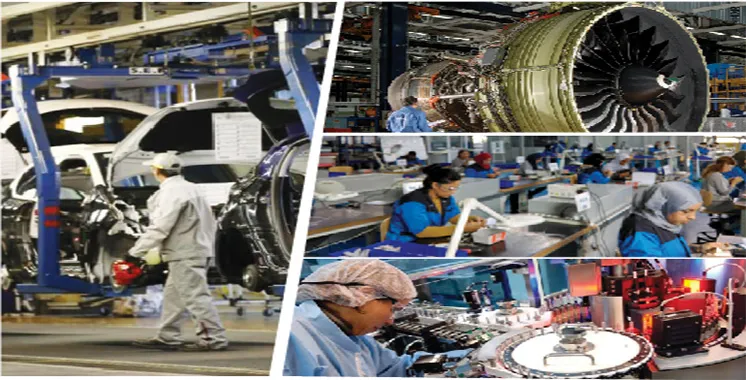
Over the past two decades, Morocco has witnessed substantial investments leading to the establishment of an extensive highway network exceeding 2,000 kilometers, alongside the unveiling of Africa’s inaugural high-speed rail line. The development of the Tanger Med port has positioned it as the largest port in both Africa and the Mediterranean, attracting major automotive manufacturers such as Renault and Stellantis. The automotive sector has emerged as Morocco's leading export industry, and the country is now making strides in the electric vehicle (EV) market. A significant development is the construction of Africa’s first EV battery gigafactory near Kenitra, backed by a Chinese-European consortium, Gotion High-Tech. This factory represents an investment of $1.3 billion, targeting an initial capacity of 20 GWh, with aspirations to scale up to 100 GWh at a total investment of $6.5 billion, beginning production in the third quarter of 2026, with a significant portion of its output destined for Europe. The expansion of the battery supply chain in Morocco is expected to generate approximately 17,000 jobs.
Under King Mohammed VI's leadership, Morocco has also established itself as a premier aerospace hub in Africa, driven by a strategic focus on industrial diversification, attracting foreign investment, and developing a skilled workforce. Since 1999, the Kingdom has integrated itself into global supply chains and attracted major players like Boeing, Airbus, Safran, and Spirit AeroSystems. Today, the aerospace sector comprises over 150 companies, supporting tens of thousands of jobs and emerging as one of the country’s most dynamic export industries. Safran’s recent decision to enhance its presence through substantial investments in aircraft engine assembly and maintenance facilities underscores Morocco's growing complexity and relevance in the aerospace manufacturing landscape.
In the realm of phosphates, Morocco holds a commanding position, possessing over 70% of the world’s known reserves. The state-owned OCP Group plays a crucial role in global food security, elevating its fertilizer production capacity from 3 million tons in 2008 to an anticipated 16 million tons by 2025, with a target of 20 million tons by 2027, supported by a significant investment of $5.25 billion in 2026 alone. Furthermore, anchored by the Noor Ouarzazate solar complex, Morocco has expanded its renewable energy capacity, aiming for 52% by 2030 and 70% by 2050, underpinned by a projected $32 billion in renewable energy investments through 2030.
Despite the lack of response from Algiers regarding the King’s calls for an integrated Maghreb, Morocco has advanced its African policy, notably through the $25 billion Nigeria-Morocco Gas Pipeline project, which spans 6,900 kilometers and has received formal endorsement from 13 West African countries. A robust network of trade agreements with the United States, European Union, and Turkey has positioned Morocco as an attractive hub for investors seeking to access both African and European markets.
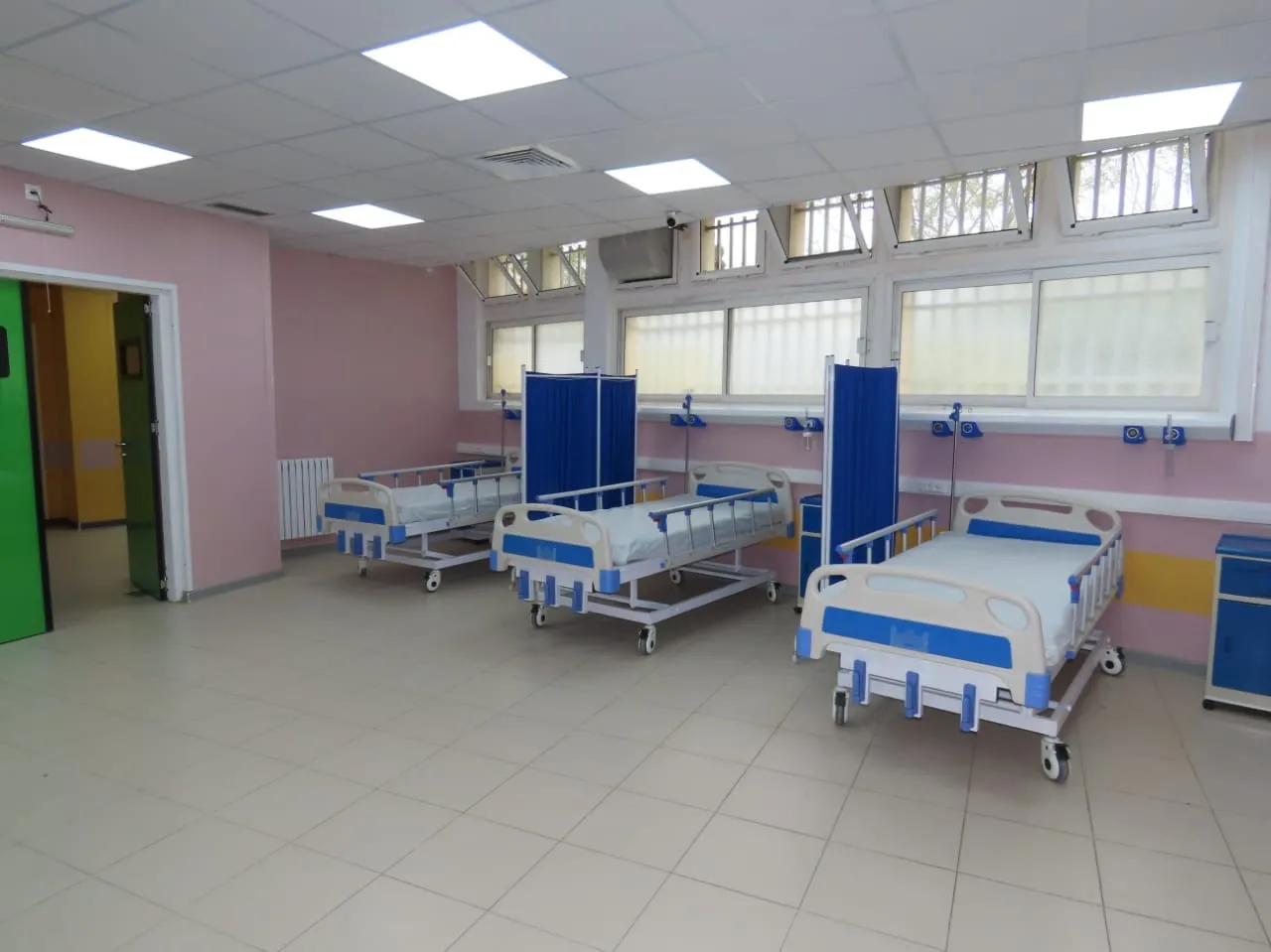
Looking ahead, the King has initiated a New Development Model aimed at doubling GDP per capita within the next 15 years through five key sectors: economy, agriculture, tourism, education, and health. As Morocco continues its journey of development—from the gigafactory in Kenitra to the phosphate fields nourishing the world, and the transcontinental pipeline connecting to Europe—the narrative of an emerging Morocco is clearer than ever.
As reported by northafricapost.com.