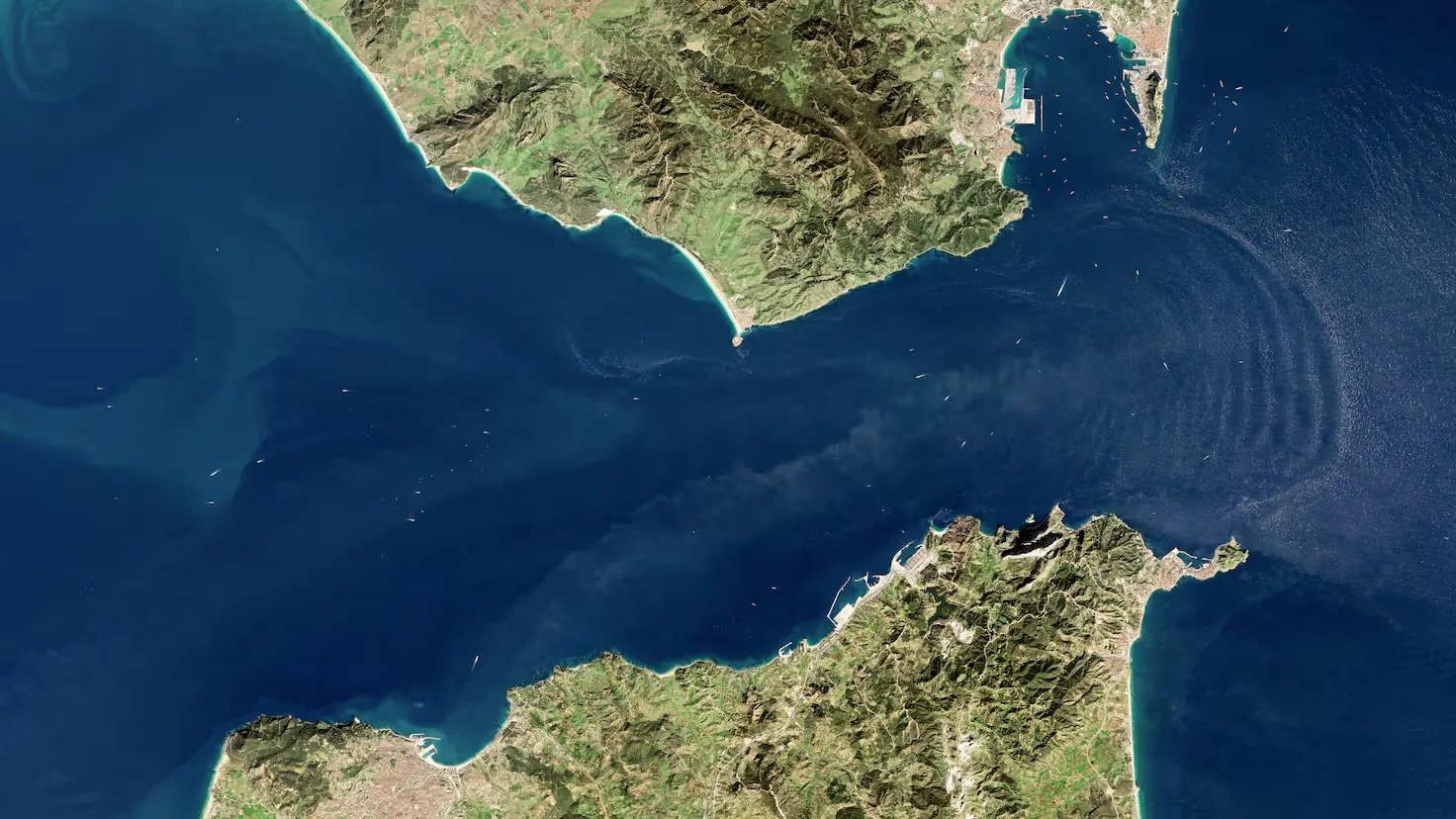
The commercial dynamics and transportation across the Strait of Gibraltar are set to undergo a significant transformation as Morocco and Spain will once again have a two-hour time difference for a substantial part of the year. This shift is largely due to Morocco's decision to permanently abandon the GMT+1 time zone and revert to Greenwich Mean Time (GMT). This change will take effect on September 20.
Geographically, Morocco naturally corresponds to the GMT time zone, the same as the United Kingdom, Portugal, and the Canary Islands. By leaving the GMT+1 schedule, the North African country aims to align its hours with its natural daylight cycles, a change that has been highly anticipated by the local population. This adjustment is expected to ease the daily routines for schools and workers, who during winter found themselves waking up in total darkness. Thus, Morocco is returning to its historical timekeeping roots.
Impact of Time Change on Transportation and Trade
Morocco's decision to stop changing its clock in September marks a notable shift from its 2018 adoption of GMT+1, which was initially implemented for energy-saving reasons and to synchronize with European time zones. After eight years of debate and public complaints, the government decided to revert to GMT. Consequently, during winter, Morocco will be one hour behind Spain, and during summer, it will be two hours behind.
In winter, while Morocco operates on GMT, mainland Spain will adhere to GMT+1, leading to a one-hour time difference. However, in summer, Morocco will remain on GMT while Spain transitions to daylight saving time (GMT+2), creating a two-hour gap across the Strait. This alteration is likely to have a fascinating effect on maritime transportation.
Meanwhile, the Canary Islands will experience a one-hour time difference from the rest of Spain due to their geographical positioning. This will create an intriguing synchronization: in winter, the Canary Islands and Morocco will share the same time zone (GMT+0), while in summer, the time difference will shrink to just one hour.
The implications of this "time leap" will force airlines and shipping companies operating across the Strait to readjust their schedules and billing systems to prevent chaos from the time discrepancies on routes that last barely an hour. The time difference will also be starkly evident at land border crossings like Ceuta and Melilla, where crossing a fence will literally mean jumping forward two hours on the clock during the summer months.
Moreover, Morocco's prominent horticultural sector will be among the most impacted by this change. The modification of time zones could lead to situations where trucks transporting perishable agricultural products from Morocco arrive at Spanish ports after the main inspection shifts have already diminished their activities, potentially causing delays at the docks.
As a result, road transport companies will need to completely recalibrate their collection routes to ensure that trucks can board ferries on time, effectively absorbing the two-hour time difference without affecting delivery schedules to distribution centers in Mercamadrid or French hubs.
As reported by as.com.