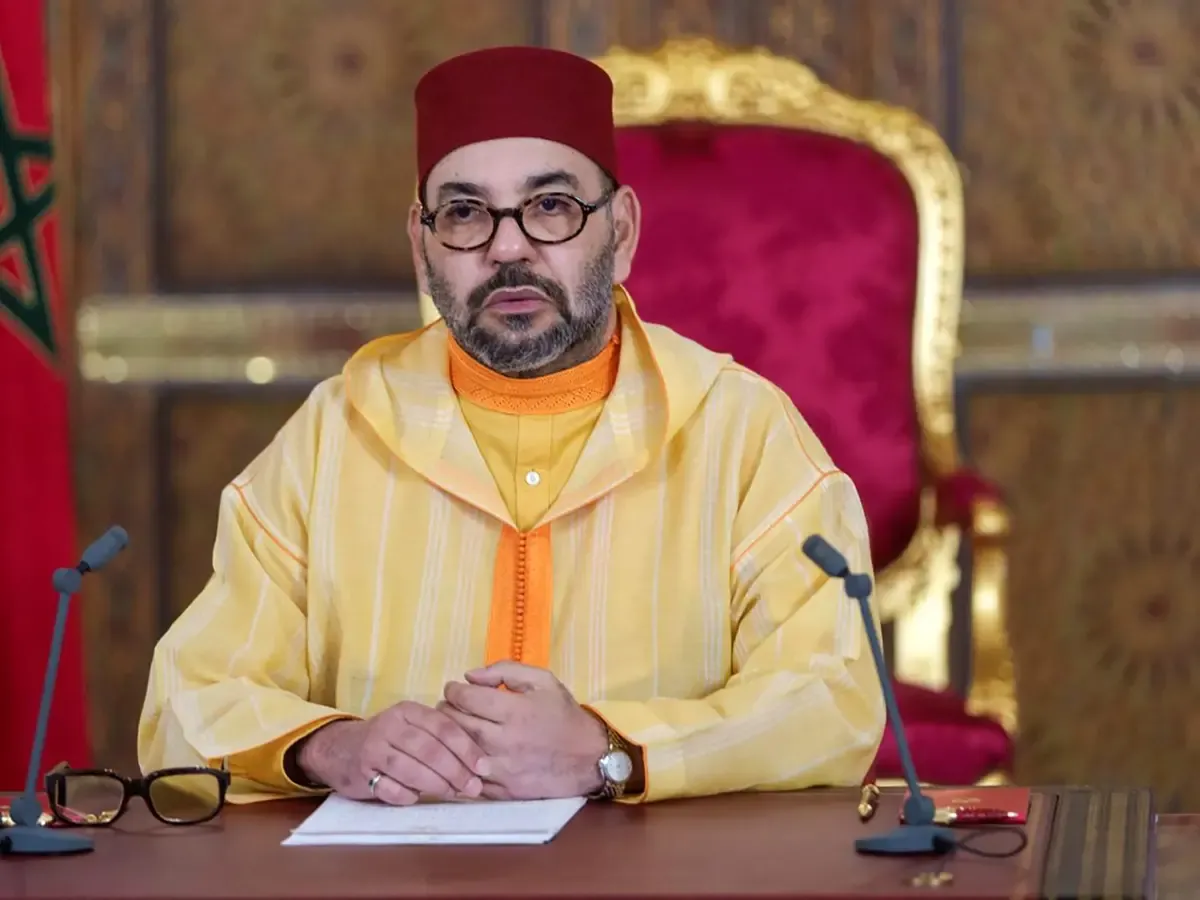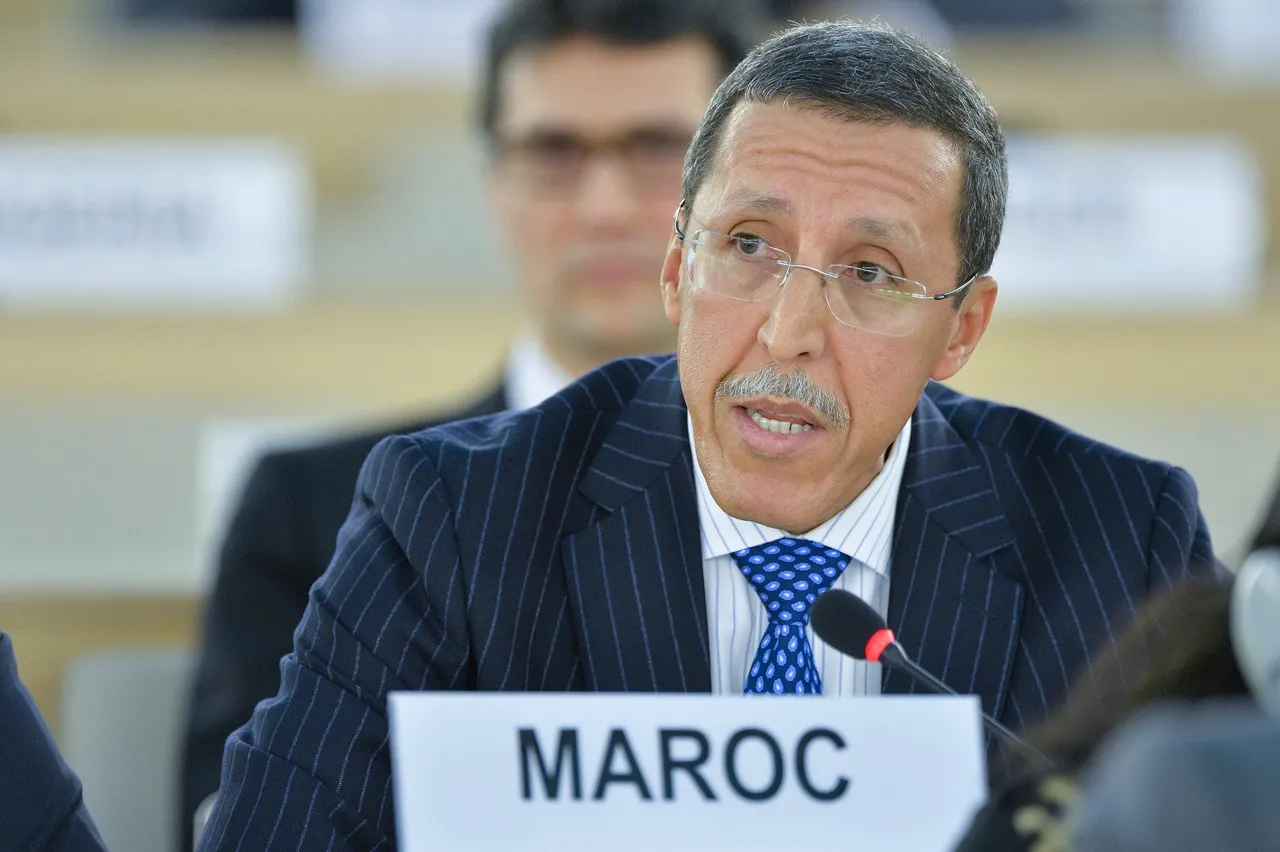
Omar Hilale, Morocco’s Permanent Representative to the United Nations, recently made significant strides in advocating for South-South cooperation, positioning it as an essential yet often undervalued aspect of global multilateralism. In a series of impactful interventions throughout the week, Hilale articulated the need for South-South cooperation to be recognized not merely as a supplementary avenue alongside North-South development initiatives but rather as a sovereign alternative capable of independently addressing the critical challenges faced by the global South. His perspective is deeply rooted in Morocco’s own experiences under the visionary leadership of King Mohammed VI, who emphasizes an Africa-centered partnership approach.
Hilale presides over two pivotal UN mandates that enhance his authority on this crucial issue: he is the President of the Peacebuilding Commission for 2026 and the President of the High-Level Committee of the UN General Assembly on South-South Cooperation, a role he assumed by acclamation in April 2025. The intersection of these roles is intentional, as Hilale has consistently highlighted that the separation between peacebuilding and development cooperation is a false dichotomy. He asserts that sustainable peace is intrinsically linked to development, and conversely, sustainable development cannot occur without peace. Within this framework, South-South cooperation emerges as the most effective mechanism for achieving both objectives simultaneously, particularly in fragile and post-conflict contexts.
In his recent discussions, Hilale has underscored two themes that are integral to Morocco's intellectual contributions during his presidency. The first theme revolves around the idea of constancy; he argues that South-South cooperation should not be perceived as a temporary or marginal arrangement to compensate for the shortcomings of North-South frameworks. Instead, it should be established as a permanent, institutionalized component of the international development architecture, characterized by reliable financing, shared monitoring systems, and formal acknowledgment within the UN's coordination structures. The second theme pertains to the technological emergence of the Global South, with a particular focus on advancements in artificial intelligence (AI).
At the official unveiling of the ‘AI Made in Morocco’ initiative held in Rabat, Hilale posited that artificial intelligence represents a groundbreaking frontier for South-South cooperation. He articulated that Morocco’s approach—encompassing sovereign cloud infrastructure, an ethical and inclusive AI framework, and a strategic emphasis on utilizing AI as a tool for collective development rather than as a means of geopolitical rivalry—serves as a replicable model for African and Southern nations aspiring to achieve technological independence. Furthermore, he highlighted Morocco's unique position as a chair of both the UN Friends of AI Group on Sustainable Development and the African Coalition for Science and Innovation, marking it as one of the few developing nations engaging in a genuinely multilateral technological diplomacy.
Collectively, Hilale’s diplomatic efforts in May 2026 showcase Morocco’s ongoing ambition to transition from being a credible and proactive participant within the UN system to an intellectual and institutional frontrunner. His adept navigation between the Peacebuilding Commission, the South-South Cooperation Committee, the Security Council, and national initiatives such as AI Made in Morocco exemplifies the depth and coherence of a foreign policy framework that has been meticulously developed over the past two decades.
As reported by northafricapost.com.