Innovative Theater that Bridges Reality and Fiction
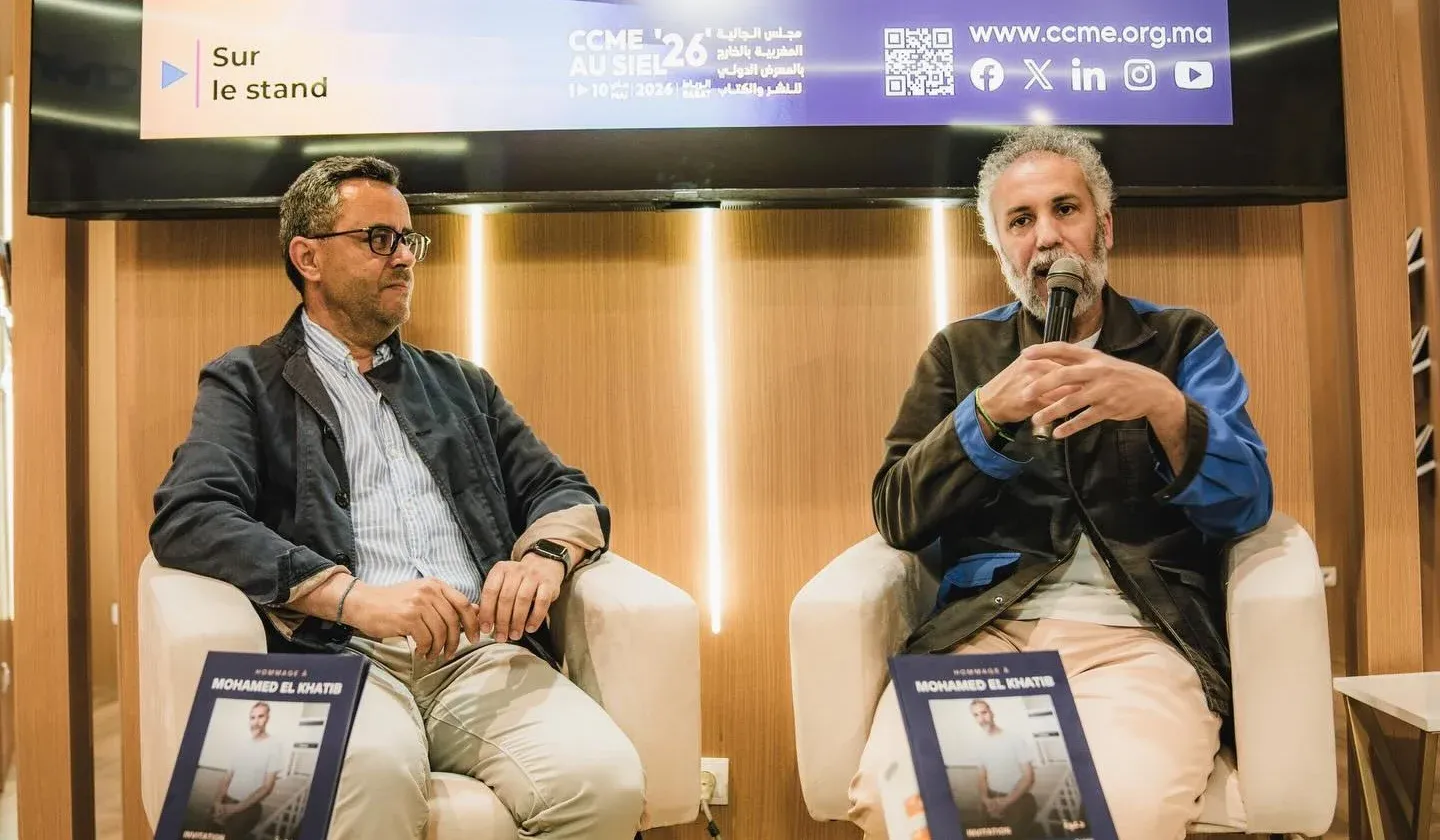
Mohamed El Khatib, a distinguished artist of French-Moroccan descent, is renowned for his groundbreaking contributions to documentary theater, where he adeptly intertwines elements of reality and fiction to explore profound themes of personal and societal significance. His exceptional work has been rightfully recognized by the Council of the Moroccan Community Abroad during the International Book and Publishing Fair, celebrating his notable creation, «Renault 12». This particular piece offers a heartfelt examination of memory, identity, and the immigrant experience, showcasing the complexities of life woven through the lens of artistic expression.
As a playwright, director, visual artist, performer, and filmmaker, Mohamed El Khatib has garnered international acclaim for his documentary theater endeavors. His compelling narratives delve into pressing personal, political, and social issues, presented with great depth and sensitivity. Currently, a tribute dedicated to El Khatib is being hosted by the Council of the Moroccan Community Abroad, featuring a curated selection of films and artistic works showcased at the 31st edition of the International Book and Publishing Fair, emphasizing his significant contributions to the art world.
A Multidisciplinary Approach to Exile and Mourning
El Khatib advocates for a multidisciplinary and inclusive narrative approach that places the protagonists of exile and mourning experiences at the forefront. This vision has birthed numerous acclaimed works, including «Moi, Corinne Dadat», «Stadium», «La Dispute», and «La vie secrète des vieux», along with the noteworthy «Renault 12», which evolved into an exhibition at the MUCEM. Drawing inspiration from the road trips of Franco-Maghrebi families, the project encapsulates the emotional geography of migration, revealing the intricate connections between personal histories and collective experiences.
Through the poignant piece «Le grand palais de ma mère», presented at the Grand Palais, El Khatib pays homage to his late grandmother, weaving intimate stories, expressions of grief, and elements of popular culture into a narrative that challenges prevailing stereotypes. This artistic endeavor transcends mere creativity; it unfolds as a therapeutic journey, enabling El Khatib to transform his pain into a structured exploration of inner chaos.
The documentary «Renault 12» serves as a vivid illustration of his exploration of memory and identity, recounting the profound impact of his mother's death and the family's subsequent journey to Morocco. El Khatib describes this experience as a deep trauma that irrevocably altered his perception of time. Through the mediums of writing and filmmaking, he seeks to resurrect the memory of his deceased mother, anchoring personal recollections within a broader, universal narrative.
As El Khatib reconnects with the pivotal role his mother played within their extended family, tracing back to their roots in Morocco, he gradually reconstructs the emotional rupture caused by grief. The journey to repatriate her body becomes a transformative experience, revealing previously unknown aspects of a woman shaped by her experiences of work, migration, and humanity, celebrated by relatives in Morocco as a trailblazer. In this context, writing emerges as a vital tool for reconciliation among immigrants and their descendants.
In a recent discussion on the program «Faites entrer l’invité – spécial Marocains du monde» on Radio 2M, Mohamed El Khatib elaborated on his commitment to a democratic artistic approach. He emphasizes that his work, whether in documentary film or theater, aspires to reflect the fabric of society by amplifying the voices of those typically unheard and showcasing bodies often overlooked. This philosophy underpins his frequent collaborations with individuals who may not be professional actors but are, in essence, experts of their own lived experiences.
El Khatib's belief in empowering these voices and presenting a diverse landscape aligns with his vision for art as a minimalist and accessible practice. He encourages young artists to embrace the notion that creativity can thrive with minimal resources, returning to the fundamental essence of artistic expression. His works exemplify this approach, where simple setups enable children to invite their parents on stage at the conclusion of performances, fostering intergenerational dialogue.
As reported by en.yabiladi.com.