Marrakech: A City in Silent Decline
Marrakech, a city that has long been celebrated through history and geography, appears to be experiencing a moment of quiet despair, where nostalgia for the past collides with anxiety about the present. This disconcerting scene raises numerous questions about local governance and developmental pathways. Once known as the "City of Seven Men," Marrakech, which was a beacon of cultural and tourist radiance, no longer inspires the same confidence it once did, particularly as a growing sense of structural imbalances threatens its overall equilibrium.
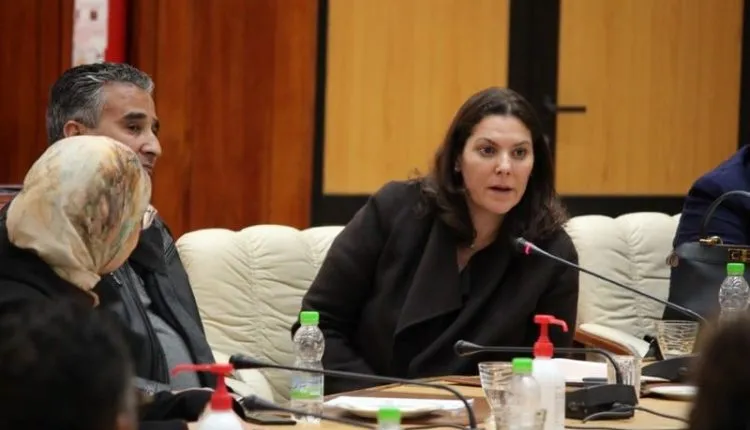
At the heart of this debate is the city's mayor, Fatima Zahra Mansouri, who faces criticism from various quarters for what many perceive as a decline in local governance over the past few years. However, the crisis, as many see it, cannot be reduced to a single individual or a particular phase; rather, it reflects a broader context in which governance shortcomings intertwine with the silence of local elites, who often prefer to coexist with reality rather than challenge it. The painful paradox is that while the city attracts millions of visitors annually, internally, it grapples with a stark contrast between its external image and its actual structure.
Amid harsh criticism and bitter sarcasm, a grassroots discourse emerges that encapsulates a sense of frustration. Some speak of "opportunists riding the wave," and recurring instances of political opportunism that prioritize personal gain above all else, in the absence of a clear collective project. In this context, the discussion extends beyond daily management or temporary decisions to a deeper question: Has the city lost the spirit that once characterized its glory? And is it possible to regain this balance while the same practices continue?
Marrakech, with its rich history and symbolic significance, is too grand to be reduced to a moment of stumbling or a phase of confusion. However, its salvation requires more than mere nostalgia; it demands courage in criticism, clarity of vision, and a genuine commitment to restoring effective management. Cities, much like people, may fall ill, but they do not die as long as there are those who believe in their capacity for renewal.
As reported by hibazoom.com.