Transforming Africa's Governance Landscape with LEAD
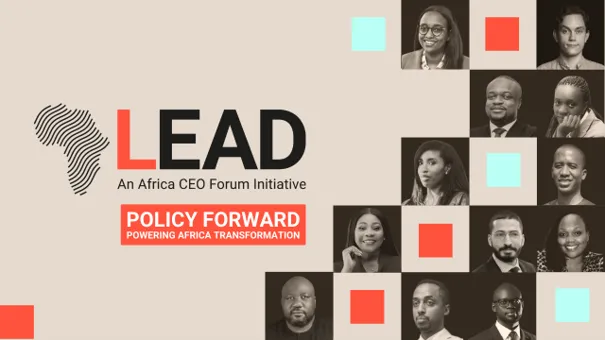
On July 30, 2026, the Sierra Leone Telegraph reported on the remarkable progress of LEAD, a pan-African leadership initiative launched by the Africa CEO Forum aimed at transforming public governance across the continent. One year after its inception, LEAD proudly reflects on the achievements of its inaugural cohort while simultaneously announcing the launch of its second class. This initiative is specifically designed to cultivate excellence in public governance, thereby laying the groundwork for a transformative era in Africa.
The newly formed cohort will convene for a three-day event from August 28 to 30, 2026, at the prestigious Mohammed VI Polytechnic University (UM6P) in Rabat, Morocco. The second cohort consists of 50 distinguished fellows, all of whom are senior public decision-makers actively involved in shaping and implementing the continent's economic and social policies. Their participation in collaborative working sessions, peer exchanges, and discussions with prominent figures from various sectors aims to foster a collective approach to addressing the significant governance challenges faced by African nations.
Building a Legacy of Leadership and Reform
This second cohort further solidifies the sustainability of the LEAD program. Speakers who will share their insights include notable leaders such as Mehdi Jomaa, the former Head of Government of Tunisia, Donald Kaberuka, Managing Partner & Founder of SouthBridge Group and former President of the African Development Bank, and Serge Ekue, President of the West African Development Bank. Their experiences and perspectives on public policy and reform will be invaluable to the fellows as they navigate the complexities of governance.
The initiative is supported by esteemed partners including Mohammed VI Polytechnic University, Asafo & Co, BOAD, BCG, and the African Development Bank, all of whom are committed to enhancing the effectiveness of public action in Africa. LEAD aims to create a vibrant community of public officials dedicated to sharing experiences, comparing methodologies, and developing unified solutions to the pressing economic, technological, and institutional transformations occurring on the continent.
The first cohort, comprising 36 fellows from 24 different countries, has already demonstrated the program's potential impact. Within a year, six members have ascended to significant leadership roles, indicative of LEAD's effectiveness as a catalyst for change within African public administration. By annually welcoming new fellows into the LEAD alumni network, the initiative aspires to establish a long-term trajectory that unites hundreds of African public decision-makers around shared principles of transparency, performance, and regional collaboration.
Throughout the preceding year, LEAD fellows dedicated their efforts to reinforcing public action across Africa, emphasizing the importance of excellence in governance as a transformative force. Initiatives included a campaign for Africa Public Service Day, highlighting public servants who are effecting real change in governance and service delivery. Moreover, fellows participated in a roundtable discussion in Kigali during the ACF 2026, further expanding LEAD's role as a dialogue platform between Africa's administrative elite and economic stakeholders.
The year culminated in the publication of a white paper, developed in collaboration with BCG, which focuses on Africa's standing in the digital economy and artificial intelligence. This document urges African states to transition from a technology consumption mindset to one that prioritizes value creation, identifying three core priorities: constructing shared digital infrastructure, pooling investments to achieve critical mass, and promoting open, interoperable systems that ensure citizen protection while encouraging innovation.
As Amir Ben Yahmed, President of the Africa CEO Forum, aptly states, "LEAD’s first cohort confirms a simple conviction: Africa already has the women and men capable of profoundly transforming public action." The program is poised to accelerate the transition from ambition to execution, particularly regarding digital public infrastructure and artificial intelligence—crucial components for state sovereignty and effective governance throughout Africa.
As reported by thesierraleonetelegraph.com.