
Royal Pardon in Celebration of Eid Al Mawlid Annabawi
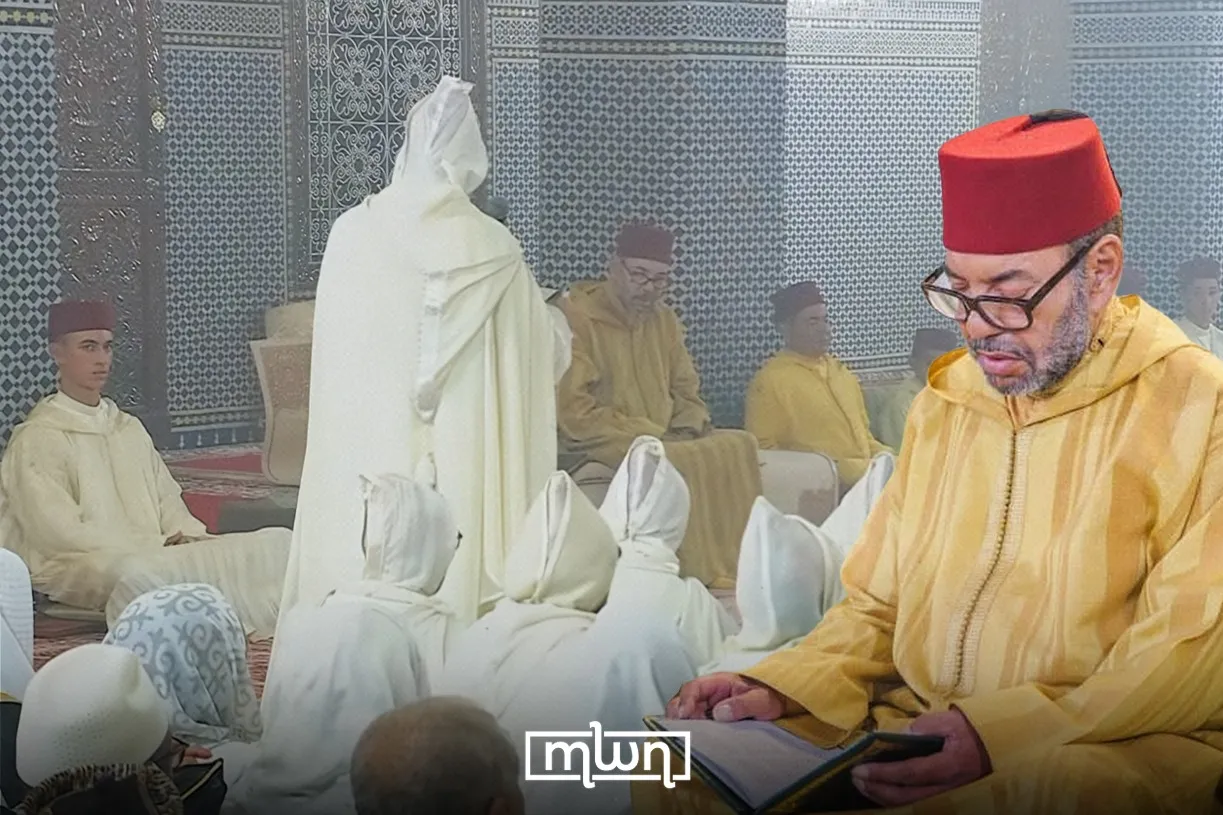
In a significant gesture to commemorate Eid Al Mawlid Annabawi, the anniversary of the birth of the Prophet Mohammed, Morocco's King Mohammed VI has issued a royal pardon benefiting 634 individuals convicted by courts across the nation. The announcement, made by the Ministry of Justice on August 24, included a notable provision for 15 individuals who had been sentenced for terrorism and extremism-related crimes. This decision reflects the kingdom's commitment to humanitarian values and the potential for rehabilitation within its judicial framework.
The Ministry reported that among the pardoned, 619 individuals were directly affected by the royal decree, with 462 being incarcerated at the time. Specifically, 449 of these detainees experienced sentence reductions while 13 were granted unconditional pardons, allowing them to reintegrate into society. The inclusion of the 15 individuals convicted in terrorism cases was particularly noteworthy, as they had formally expressed their allegiance to the Moroccan state’s core principles and values. Following their participation in the Moussalaha (Reconciliation) program—a voluntary deradicalization initiative established in 2017—they underwent a reassessment of their ideologies and publicly renounced extremist views.
Context of Pardon Amid Ongoing Legal Challenges
This royal pardon arrives at a time when Spanish courts are actively addressing the legal situations of Moroccans who entered the Spanish enclave of Ceuta on July 30, a day marked by the crossing of approximately 72,000 individuals. The Spanish authorities reported that around 73,000 were subsequently returned, although thousands remain unaccounted for. Notably, the Guardia Civil apprehended a man with a terrorism-related criminal record during intensified border checks, highlighting the ongoing security concerns in the region. His detention is linked to an Interpol arrest warrant, and he awaits the processing of his extradition.
In addition to these high-profile cases, the Andalusian High Court of Justice has documented multiple remands in custody related to the July 30 influx, including serious charges such as sexual assault and drug trafficking. One particularly alarming incident involved a 20-year-old Moroccan who unlawfully entered a private residence and was subsequently sentenced, albeit with an order for expulsion rather than incarceration, reflecting the complexities of managing immigration and criminal justice in the enclave.
Amidst these challenges, Morocco has been proactive in reducing its prison population through royal clemency. The King’s constitutional authority allows for pardons multiple times a year, with over 3,300 individuals receiving clemency in just five weeks this summer. While Morocco has not executed anyone since 1993, its penal code still retains the death penalty for numerous offenses, illustrating the contrasting elements present within its criminal justice system.
The European Union has been enhancing its collaboration with Morocco, particularly in the realms of migration management and counter-terrorism. European Commission President Ursula von der Leyen has pledged increased technical and financial assistance to Morocco, with a significant budget allocated for migration management through 2024. This strategic partnership aims to bolster cooperation in addressing the intertwined issues of migration and security in the region.
As reported by brusselssignal.eu.