Revolutionizing Urban Infrastructure with Cold Asphalt Solutions
In recent years, extreme summer temperatures have raised concerns across Europe, particularly in Spain and Morocco. During peak summer days, when the temperature soars to around 40 degrees Celsius, the asphalt on roads and highways can easily escalate beyond 60 degrees. This phenomenon has been dubbed the "heat island effect," turning urban areas into oppressive heat traps. As a result, managing these soaring temperatures has become a pressing issue, prompting innovative responses from local authorities and governments.
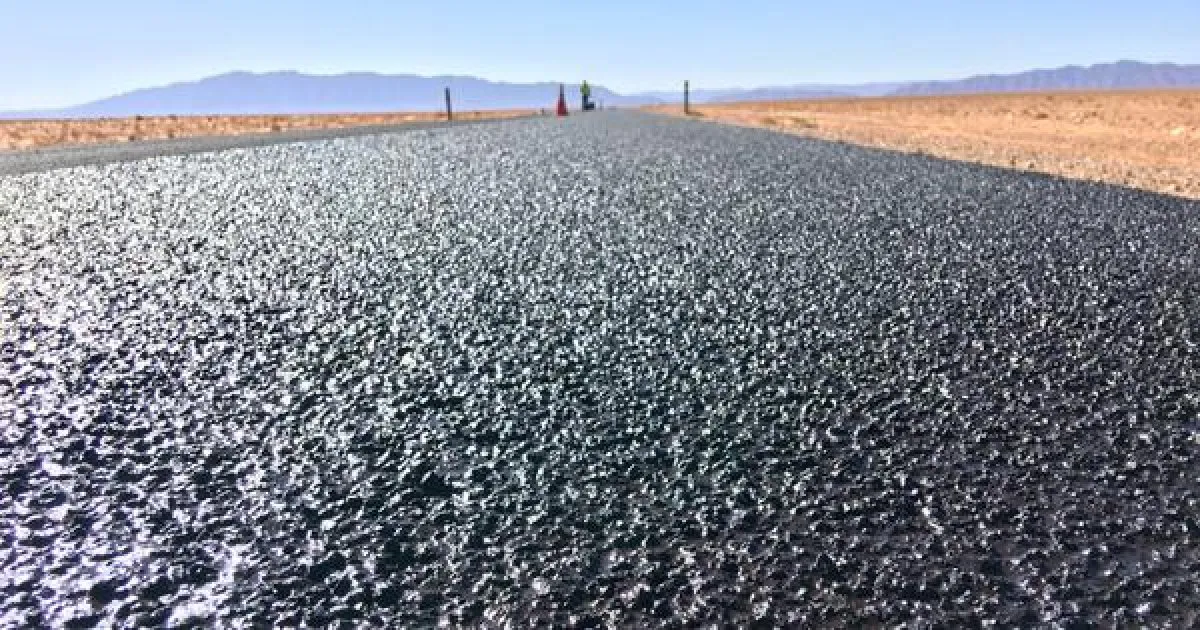
In an effort to combat these heat waves, Morocco has embarked on a pioneering approach by developing a new generation of porous asphalt. This innovative material has been designed to simulate the properties of porous stone, allowing rainwater to permeate and be stored within its layers. During hot weather, this stored water evaporates, leading to a significant reduction in surface temperatures by as much as 10 to 15 degrees Celsius. This development is already being implemented in major Moroccan cities, showcasing its effectiveness and practicality in urban planning.
Spain's Response: Combining Technology with Color
Meanwhile, Spain is taking a slightly different approach, focusing on the color and composition of asphalt. By introducing lighter shades of asphalt, Spain aims to minimize heat absorption while maintaining the aesthetic appeal of its roadways. This adjustment, alongside the incorporation of different aggregates and colorants, helps in reducing the asphalt's heat absorption properties, thereby contributing to a cooler urban environment.
These two strategies—Morocco's porous asphalt and Spain's lighter compositions—can synergistically enhance urban infrastructure. The porous asphalt not only helps in reducing temperatures but also improves water drainage during heavy rains, thereby minimizing flooding risks. The European Union is actively supporting these initiatives as part of its development aid programs, recognizing the long-term benefits for urban resilience and infrastructure sustainability.
As reported by eldebate.com.