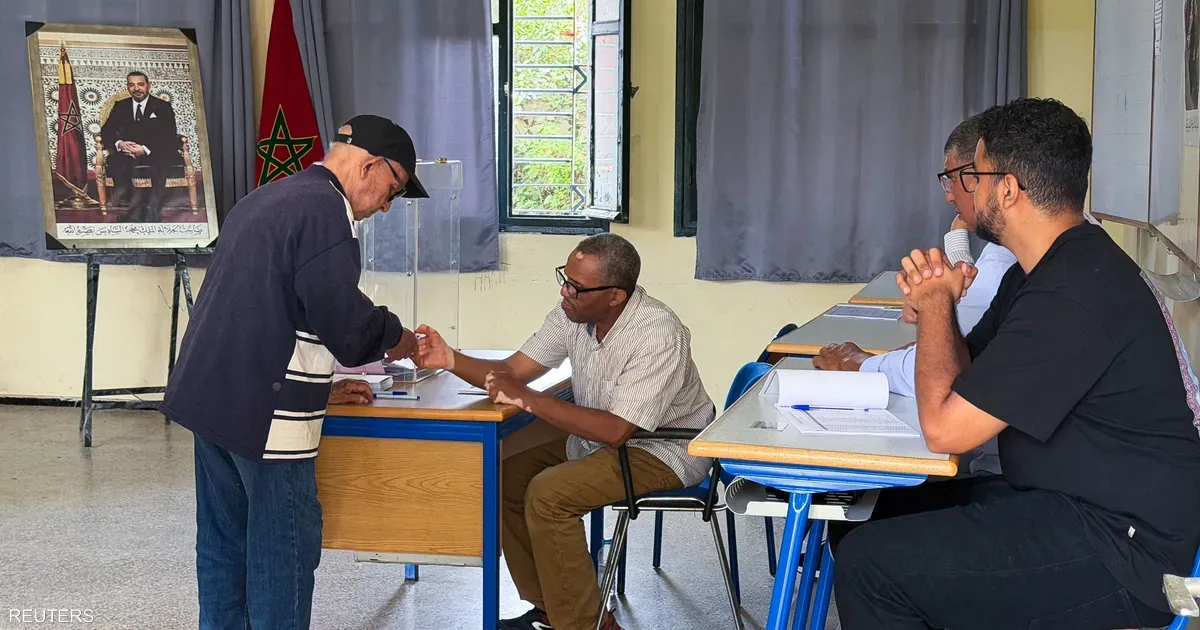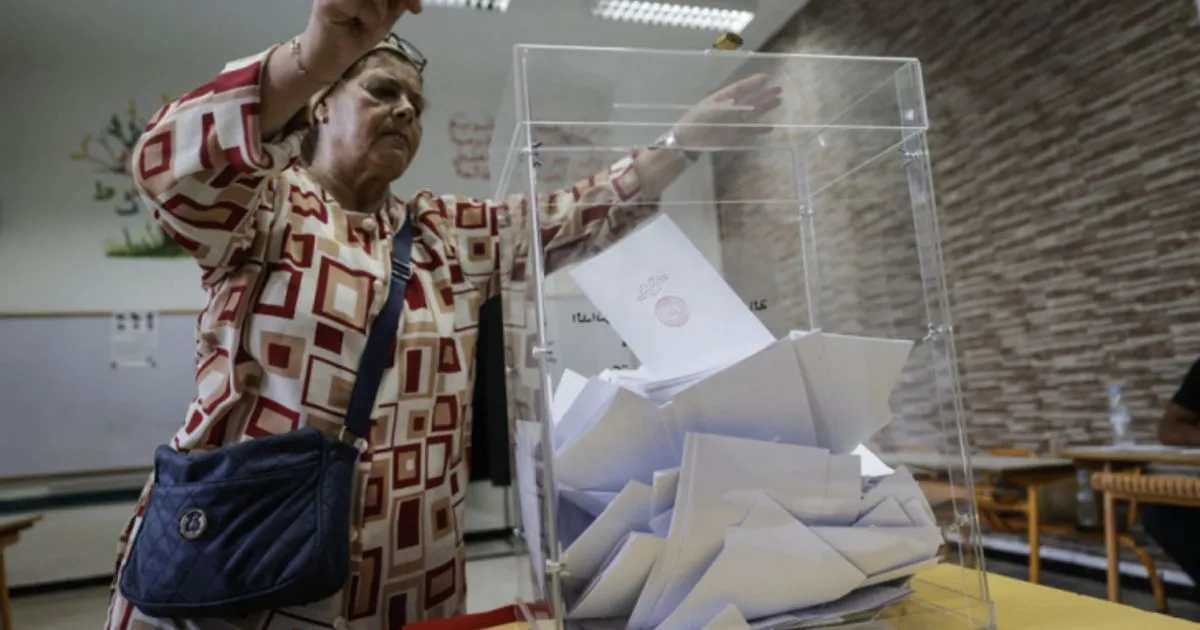

The recent parliamentary elections in Morocco have recorded an unprecedentedly low voter turnout, with officials announcing that only 38% of registered voters participated, marking the lowest engagement in two decades. This significant decline is starkly contrasted with the previous parliamentary elections in 2021, where voter participation stood at 50%. The historical low was previously noted in 2007 when turnout dipped to 36.8%. As the people of this North African nation grapple with profound social crises, the overarching sentiment of distrust towards political parties has become increasingly evident during the election campaign.
Key issues such as social inequality, soaring prices, and youth unemployment dominated discussions leading up to the elections, reflecting the electorate's pressing concerns. Approximately 16 million out of 36 million Moroccans registered to vote for the 395 members of the House of Representatives. However, a striking statistic revealed that merely 4% of registered voters belonged to the 18 to 24 age group, indicating a significant disengagement of the youth from the political process. The elections saw around 7,300 candidates vying for seats, including 2,658 women, across 27 competing parties.
Although the Moroccan Parliament has the authority to pass laws, real power remains concentrated in the hands of King Mohammed VI and his close circle. Following the elections, the strongest party will have the prerogative to appoint the Prime Minister, who, after being designated by the King, is responsible for forming a government that will serve a five-year term. Notably, pre-election polls are prohibited by law, yet media and experts speculate that the National Rally of Independents (RNI), currently the leading force in the ruling coalition, is once again likely to emerge as a strong contender.
As reported by tt.com.