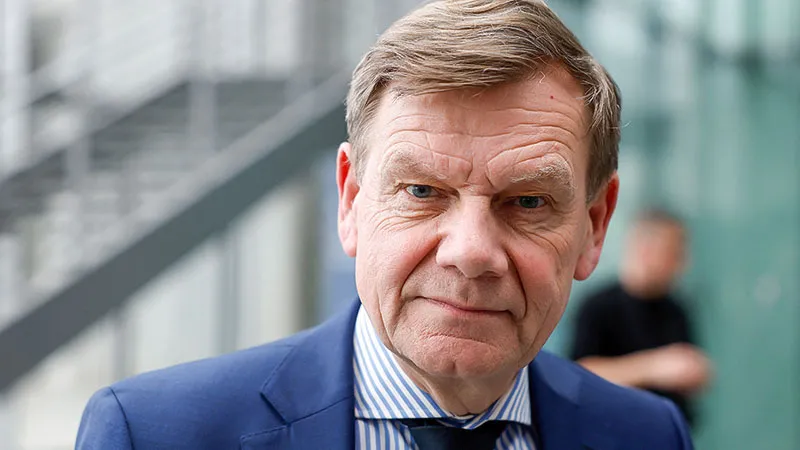
Following a visit to the United Nations, German Foreign Minister Johann Wadephul is set to travel to Morocco to engage in a strategic dialogue focused on various pressing issues, including migration trends. This diplomatic mission comes at a time when the partnership between Germany and Morocco is complicated by human rights concerns and European Union asylum policies.
As stated by Wadephul, Morocco is the second-largest trading partner of Germany in Africa, and there is significant potential for growth in their economic relations, particularly in renewable energies, critical raw materials, and hydrogen technology. He emphasized the importance of Moroccan professionals in sectors such as healthcare and nursing within Germany, highlighting the value they bring to the workforce. Accompanied by a delegation of business leaders and members of the Bundestag, Wadephul's visit aims to strengthen bilateral cooperation.
Morocco's role as a bridge between Europe and Africa positions it as a key partner for Germany, especially as both nations celebrate the 70th anniversary of their diplomatic relations this year. Wadephul noted that both countries share a commitment to an international order based on rules, with the United Nations at its core. His visit follows a trip to the UN in New York, underscoring the diplomatic significance of the upcoming discussions in Rabat.
From Morocco's perspective, this enhanced engagement with Germany transcends mere bilateral relations; it is part of Rabat's strategy to establish itself as a political, economic, and security hub connecting Europe, Africa, and the Mediterranean. The strategic dialogue with Germany aligns with Morocco's interests in attracting investments, gaining international recognition, and enhancing its political clout within the EU framework.
Wadephul indicated that a wide range of international issues would be on the agenda during the strategic talks with his Moroccan counterpart, Nasser Bourita. Notably, Morocco has expressed its willingness to participate in the implementation of a 20-point plan for the Gaza Strip, as well as a potential international security force. Both countries also share a goal of stabilizing the Sahel region to address the root causes of crises and migration.
However, the migration policy dimension of this partnership raises significant concerns. Morocco is not only a source and transit country for the EU but has increasingly become a key player in European migration control strategies. The EU has classified its cooperation with Rabat as essential for migration management, border security, and combating human trafficking. Reports indicate that Moroccan authorities prevented 73,640 attempts at irregular migration towards Europe in 2025, emphasizing Morocco's integral role in European border policies.
While the rhetoric surrounding German-Moroccan partnerships often overlooks human rights issues in Morocco, these concerns remain contentious. Amnesty International has reported a crackdown on freedom of expression and peaceful protests, with journalists, human rights defenders, and government critics facing prosecution, intimidation, and digital surveillance. Demonstrations against economic hardships and public service conditions have often been met with excessive force and unfair legal processes. Moreover, refugees have reportedly suffered violence and torture while in custody.
Despite these allegations, EU member states have designated Morocco, Tunisia, Egypt, and several other countries as safe countries of origin, which allows for expedited processing of asylum applications from these nations. However, this designation is particularly sensitive for Morocco, which, according to Human Rights Watch, hosts over 18,400 registered refugees and asylum seekers but has yet to enact a national asylum law. Furthermore, a migration law from 2003 criminalizes irregular entry without making explicit exceptions for refugees and asylum seekers.
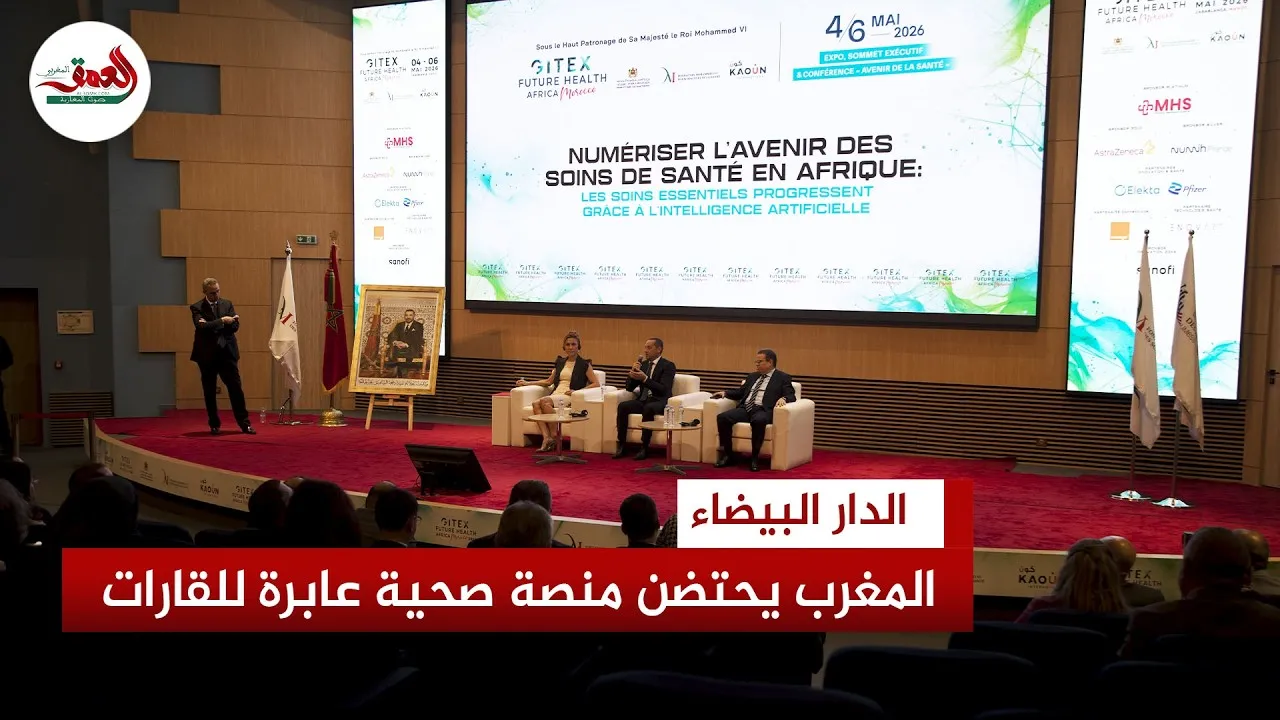
The recruitment of Moroccan healthcare professionals also presents a dual perspective. From Germany's standpoint, recruiting medical staff is a pragmatic solution to personnel shortages. Conversely, from Morocco's viewpoint, this constitutes a brain drain that undermines the capacity of its own public health system, which is already facing significant challenges.
Morocco has experienced months of social protests, particularly concerning its healthcare system, with reports highlighting the Hassan II Hospital in Agadir as a symbol of an overstretched public system. According to data from Morocco's statistical agency, the country had an average of only 18.2 healthcare professionals per 10,000 inhabitants in 2023, which is less than half of the World Health Organization's recommended threshold. The disparities between urban and rural healthcare access are stark, with urban centers being better equipped than rural and southern regions.
The strategic dialogue between Germany and Morocco occurs every two years at the ministerial level, addressing both bilateral and international topics. The last such dialogue was held in Berlin in June 2024, further illustrating the importance of this collaborative relationship.
As reported by migazin.de.