FIFA's New Strategy for Financial Growth
In a groundbreaking decision shortly after hosting the most financially successful World Cup in its history, FIFA has unveiled a controversial plan to enhance its revenue stream by selling stakes in its flagship event to private investors. This innovative approach is aimed at generating billions of dollars, potentially altering the financial landscape of international soccer. The plan comes at a time when FIFA is already set to rake in an estimated $13 billion from its operations over the past four years, predominantly from the men's World Cup.
FIFA's strategy involves the establishment of a new entity, FIFA Forward Enterprise, tasked with managing the commercial rights associated with both the men's and women's World Cups, along with the newly launched Club World Cup. This separate company will oversee decisions concerning broadcasting and commercial rights, while FIFA itself will maintain its role as the governing body responsible for sports-related decisions.
In a significant departure from its traditional structure, FIFA intends to seek minority investors for this new venture, aiming to raise as much as $4.2 billion. To facilitate these investments, FIFA has partnered with Thrive Eternal, a firm that specializes in long-term capital holdings, managed by Joshua Kushner, brother of Jared Kushner, who is known for his connections to the previous U.S. administration. Additionally, J.P. Morgan has been hired as an advisory partner to assist in this initiative.
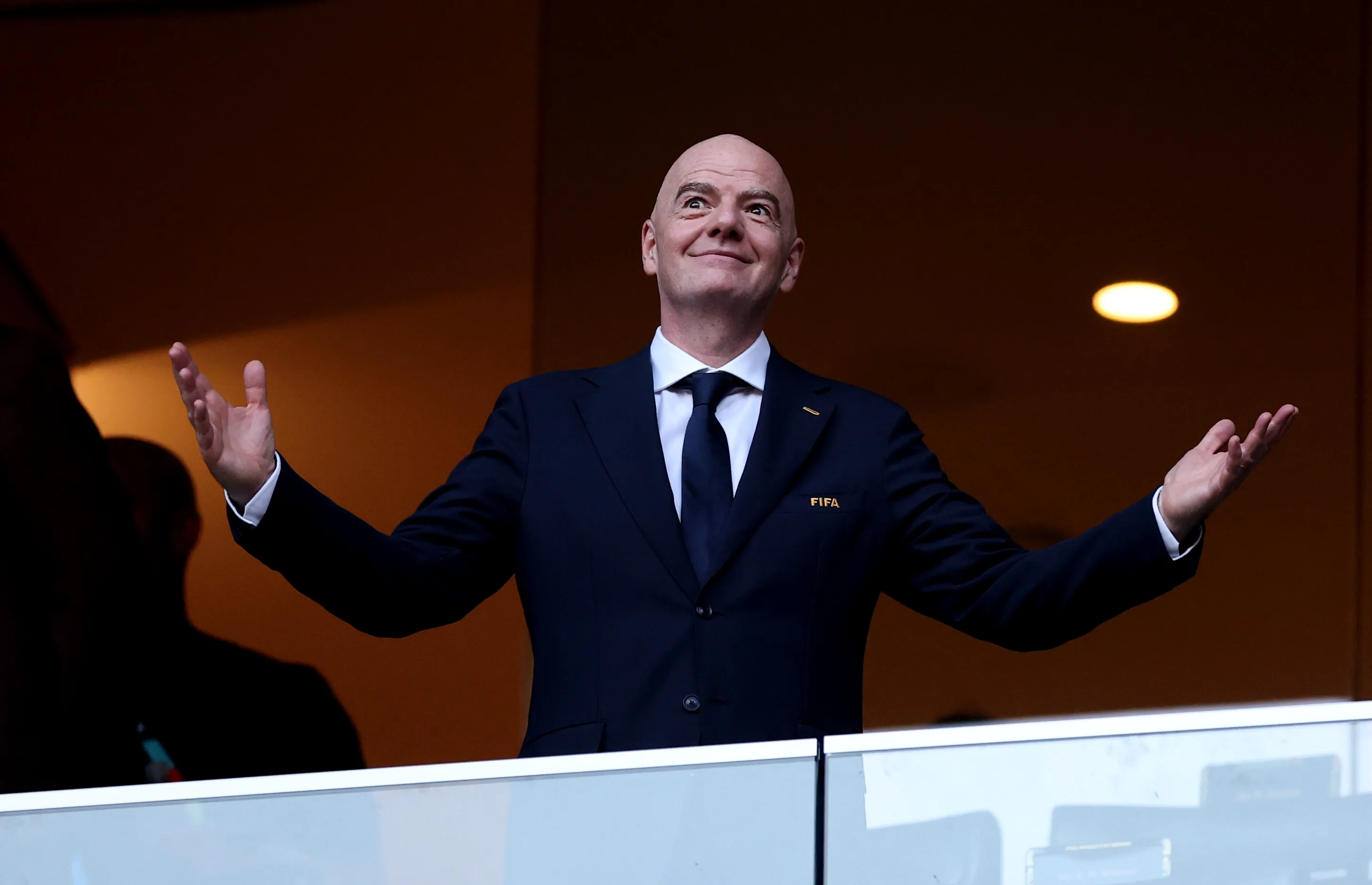
FIFA President Gianni Infantino emphasized the importance of this move, stating, "Football is the world's most popular sport and an extraordinary engine of human and social development." He reiterated FIFA's commitment to ensuring that the financial benefits from the commercial success of football are shared widely among its member associations, which number 211 worldwide.
Criticism and Concerns from UEFA and Others
The announcement has not been without controversy, drawing immediate backlash from UEFA, the governing body for European football associations. UEFA has expressed serious concerns regarding the implications of selling stakes in what they deem the "soul and governance of football." They argue that such an action undermines the essence of the sport and lacks transparency regarding the financial beneficiaries of this venture. Their statement boldly asserted, "None of us are the owners of football. It is not FIFA's to sell."
While some European leagues, like Spain's LaLiga, have previously engaged in selling minority stakes to private investors, FIFA operates as a non-profit organization, making this initiative a pioneering step for the global governing body of soccer. The decision comes amidst ongoing scrutiny over FIFA's ticket pricing strategies for the World Cup, which have faced criticism from fans and state authorities alike. Moreover, FIFA has recently been embroiled in allegations of corruption, further complicating its public image.
As FIFA moves forward with this daring initiative, the soccer community watches closely, weighing the potential benefits against the ethical concerns raised by stakeholders within the sport.
As reported by npr.org.