Morocco's Ambitious Sports Initiatives and Their Impact
The Moroccan government perceives large-scale sporting events as significant catalysts for development. However, recent discussions have sparked questions about the actual benefits these events offer to the country. Following the African Cup of Nations (AFCON) held in Morocco at the beginning of 2026, there are growing concerns about how effectively these initiatives meet the nation’s needs, especially after the notable protests from Generation Z in October. This backdrop raises a pivotal question: do these showcase projects genuinely contribute to Morocco's growth, or are they merely superficial efforts to gain international attention?
Economic Returns and Unfulfilled Promises
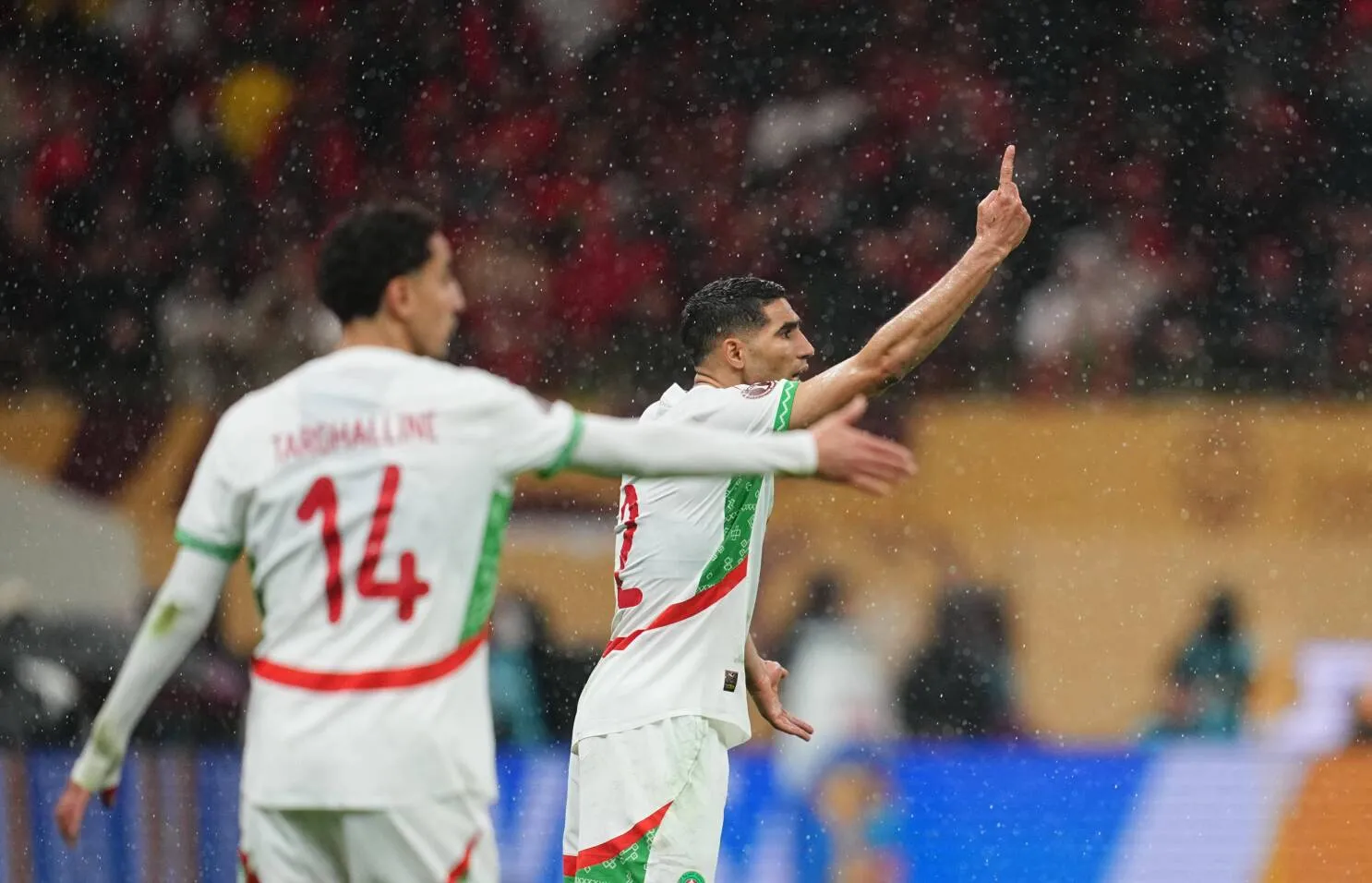
According to the Moroccan government, the AFCON event generated an impressive 1.5 billion euros, serving as a preliminary test for the upcoming 2030 World Cup, which Morocco will co-host with Spain and Portugal. Despite these optimistic figures, the efficacy of public investment remains questionable, particularly as numerous regions feel overlooked by the initiatives. The unexpected controversies surrounding the tournament, including the dramatic overturning of the final's results in January—initially won by Senegal—have further clouded the event's legacy. Legal disputes continue, including an ongoing challenge before the Court of Arbitration for Sport regarding the competition's outcomes, which has overshadowed the overall success of the tournament.
While some logistical challenges, such as access issues and underutilized stadiums, marred the event's organization, many observers still commended Morocco's handling of this high-profile competition. The mixed reviews highlight the complexities of hosting such significant events, where public perception often diverges from governmental narratives about success and development. As Morocco gears up for even larger events, it will be crucial to critically analyze whether these grand plans translate into tangible benefits for its citizens and infrastructure.
As reported by lopinion.fr.