Exploring the Vibrant Essence of Casablanca
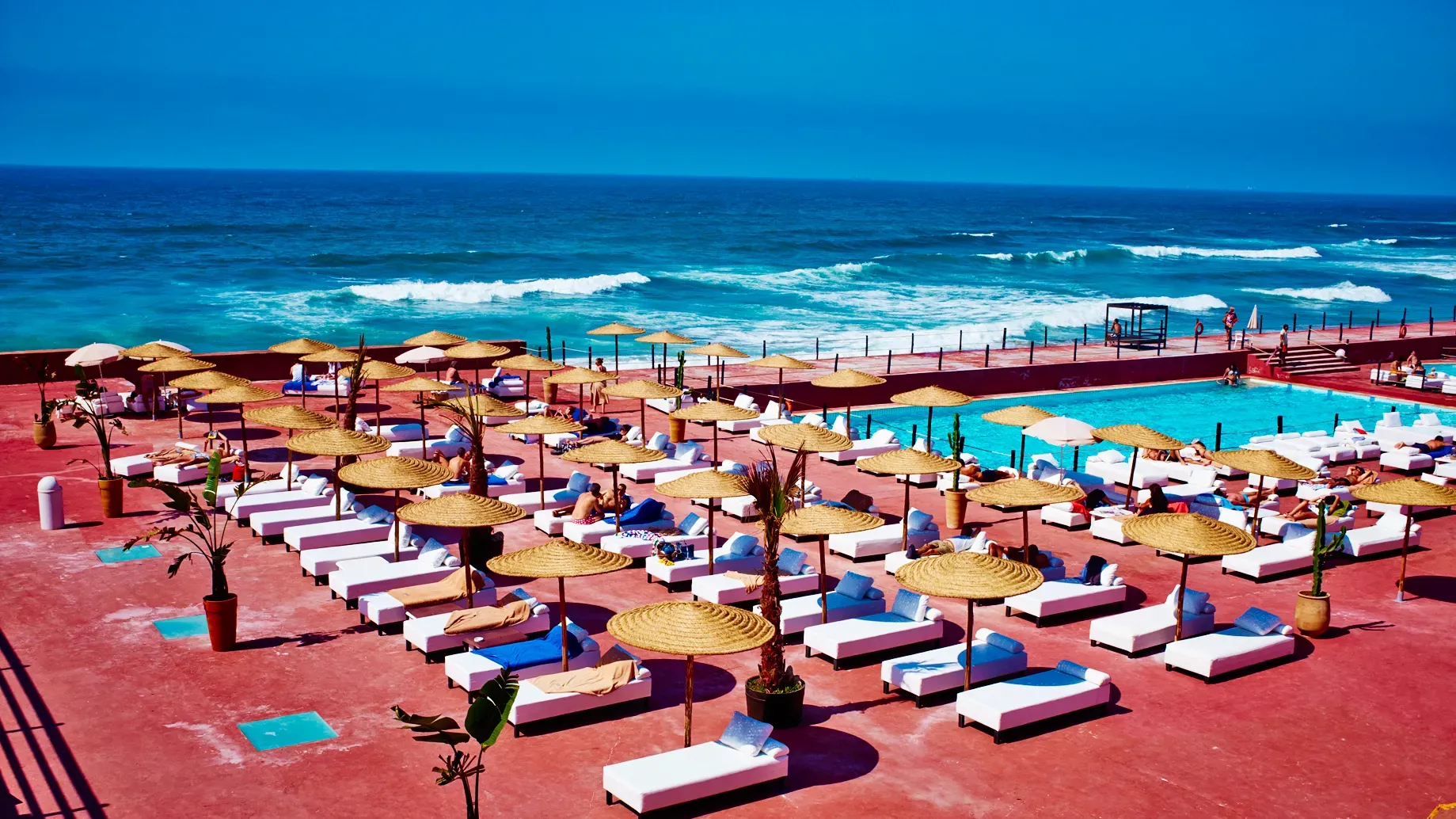
Casablanca, often overshadowed by the more popular Moroccan destinations of Marrakech and Tangier, is a treasure trove of culture, history, and architectural marvels. This bustling city, known locally as "Casa," is the largest in Morocco and serves as a vital financial hub on the African continent. Its streets are alive with a rich tapestry of architectural styles, from the grandeur of Art Deco to the intricacies of Art Nouveau, creating a unique visual narrative that captivates design enthusiasts and casual visitors alike. As Issam Elhadri, a seasoned tour guide, aptly notes, the city is teeming with potential yet remains relatively unexplored by the typical tourist, presenting a prime opportunity for those looking to delve deeper into Morocco's cultural landscape.
The vibrant atmosphere of Casablanca is palpable, characterized by its lively markets brimming with handcrafted goods and the echoes of street art that adorn many of its walls. The city has undergone significant transformations, with renovations initiated by organizations like Casamémoire aimed at preserving its rich architectural heritage. These efforts have not only revitalized neglected buildings but have also fostered a burgeoning café culture that invites both locals and tourists to relax and soak in the dynamic ambiance.
Must-See Landmarks and Cultural Experiences
One of the standout highlights of Casablanca is the iconic Hassan II Mosque, which graces the Atlantic coastline. Completed in 1993, this architectural masterpiece was designed by French architect Michel Pinseau and stands as the only mosque in Morocco accessible to non-Muslims. Visitors can marvel at its stunning minaret and intricate tile work, making it a must-visit destination for anyone traveling to the city. In addition, the city is rich in cultural experiences, including the famed Rick’s Café, an homage to the classic film _Casablanca_, where guests can enjoy a nostalgic atmosphere reminiscent of Hollywood's golden age.
As the city prepares for major events such as the FIFA World Cup in 2030, ongoing developments aim to enhance its appeal to international visitors, including a $540 million renovation of the old port area. This commitment to growth and preservation reflects the broader vision of King Mohammed VI, who envisions Casablanca as a cultural and economic powerhouse. From luxurious accommodations like the Royal Mansour Casablanca, which marries modern amenities with historical charm, to boutique hotels like Le Doge, Casablanca offers a range of lodging options that cater to diverse tastes and preferences.
In conclusion, Casablanca is not just a stopover but a destination brimming with artistic vibrancy and historical significance. Its unique blend of the old and new, along with its lively cultural scene, makes it an exciting place to explore. As reported by architecturaldigest.com.