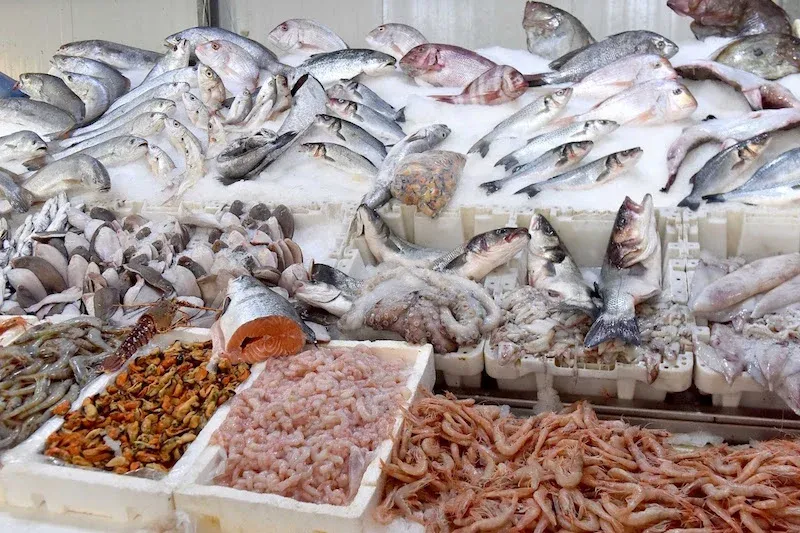

Controversial Fish Sparks Tension Among Traders
A recent report from the Moroccan newspaper "Al-Masaa" highlights a troubling incident that unfolded at the wholesale fish market in the Bouakkaz administrative district of Marrakech. The market experienced significant unrest as several traders clashed over a batch of fish that raised suspicions about its edibility. This particular batch had been stored in a refrigeration unit for four consecutive days, leading to concerns about its safety for consumption.
Insider sources indicate that foul odors began emanating from the fish, prompting various traders to demand its removal from the refrigeration unit and subsequent disposal. Their primary concern was to prevent the potential sale of a product that could pose a health risk to consumers. However, the trader responsible for the fish refused to comply, asserting that the fish remained fit for sale and consumption. This refusal escalated tensions, resulting in heated exchanges between the parties involved, ultimately necessitating the intervention of local authorities and specialized services responsible for monitoring the quality and safety of seafood products.
The resolution of this matter hinges on the findings of inspections and evaluations conducted by the relevant authorities, which will determine the fish's suitability and clarify legal responsibilities. This situation underscores the importance of stringent food safety protocols and the role of local governance in ensuring consumer protection.
Broader Issues Affecting Local Communities
In addition to the fish market controversy, "Al-Masaa" reported on another pressing issue within the region. Security forces successfully managed a hostage situation in Kasbat Tadla, where a son, armed with a knife, had taken his mother and a relative hostage in their family home. After prolonged negotiations, authorities were able to defuse the situation and ensure the safety of the hostages.
The report also pointed out that several neighborhoods in the Sidi Zouine area, located just outside Marrakech, are grappling with the absence of a sewage network. Residents are resorting to traditional pit latrines for wastewater disposal, a scenario that raises significant health and environmental concerns, especially for children living in proximity to these pits. The persistent lack of adequate sanitation infrastructure highlights the urgent need for the acceleration of sewage system projects, which are essential for improving living conditions and safeguarding public health.
Moreover, the National Union of Taxi Drivers, affiliated with the National Union of Labor in Morocco, has issued a warning regarding the deteriorating economic and social conditions faced by professionals in the sector. The ongoing rise in fuel prices, coupled with insufficient exceptional support and unresolved structural issues, has exacerbated the situation. The union has called for measures such as reducing profit margins for fuel companies during this exceptional period, temporarily exempting fuel from internal consumption taxes, and implementing transparent price monitoring mechanisms. They also advocate for direct support to active drivers based on electronic license data.
As reported by hespress.com.