Relocation of Marrakech Bus Station Sparks Complaints
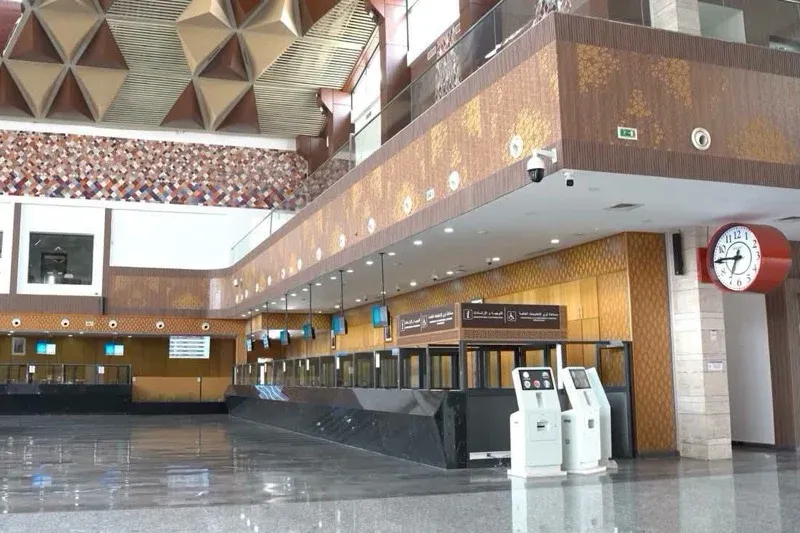
The recent transition of road transport operations in Marrakech from the Bab Doukkala bus station to the new facility in Azzouzia has ignited a heated discussion among industry professionals and travelers. This shift, intended to reorganize the transport sector within the city, has led to numerous complaints regarding fare increases and the challenges associated with accessing the new station.
The move comes at a time when the summer season typically sees a surge in road transport activity. However, many transport operators and consumer advocates argue that this transitional phase has created significant obstacles that are adversely affecting passenger traffic. Notably, some lines have increased their fares, which is causing concern among both operators and travelers. Abdul Majid Bai Bai, the first deputy of the National Federation of Road Transport Investors in Morocco, highlighted that the management of the station unilaterally set the new fare rates. He pointed out that the increase in fares for certain lines has resulted in complaints from transport operators, citing the example of the route connecting Marrakech to Demnat, where the ticket price was slashed from 50 dirhams to 35 dirhams.
Bai Bai criticized the new station's location, which is situated far from the city center, and lamented the lack of affordable public transport options to facilitate access for residents. He noted that although there was a promise for city buses to operate throughout the day to assist travelers in reaching the station, currently only two bus lines service the area, which exacerbates the accessibility issue.
Impact on Operators and Consumers
The transport operators plan to hold meetings to discuss potential solutions to these pressing issues, especially given that fare increases have also affected routes to Agadir and Inzegan, with tickets now priced at 90 and 100 dirhams, respectively. Bai Bai expressed concern over the noticeable decline in passenger numbers since the new station's operations began, emphasizing that this period usually represents the peak of transport activity.
According to Bai Bai, the primary victims of this situation are the investors themselves, who face mounting operational costs. He warned that if current conditions persist, the economic situation for transport operators could worsen significantly.
On the flip side, Nabil Safi, president of the Moroccan Consumer Protection Agency, which is part of the Moroccan Consumer Rights Association, asserts that the summer season presents a valuable opportunity for travel, which can boost both domestic and international tourism. He indicated that families and individuals are eager to take advantage of this period to explore various regions of Morocco and reconnect with relatives in different cities. However, he pointed out that major construction projects, like the ongoing improvements to transport infrastructure in Marrakech, are hindering people's mobility, leading to unexpected fare increases that have surprised Moroccan consumers.
In closing, Safi urged the relevant authorities to consider the average income levels of citizens when establishing service prices, advocating for fare structures that are more affordable and encourage greater usage. He stressed that any increase in prices tends to result in a corresponding decrease in passenger numbers.
As reported by hespress.com.