Regulatory Challenges for Moroccan Banks in the EU
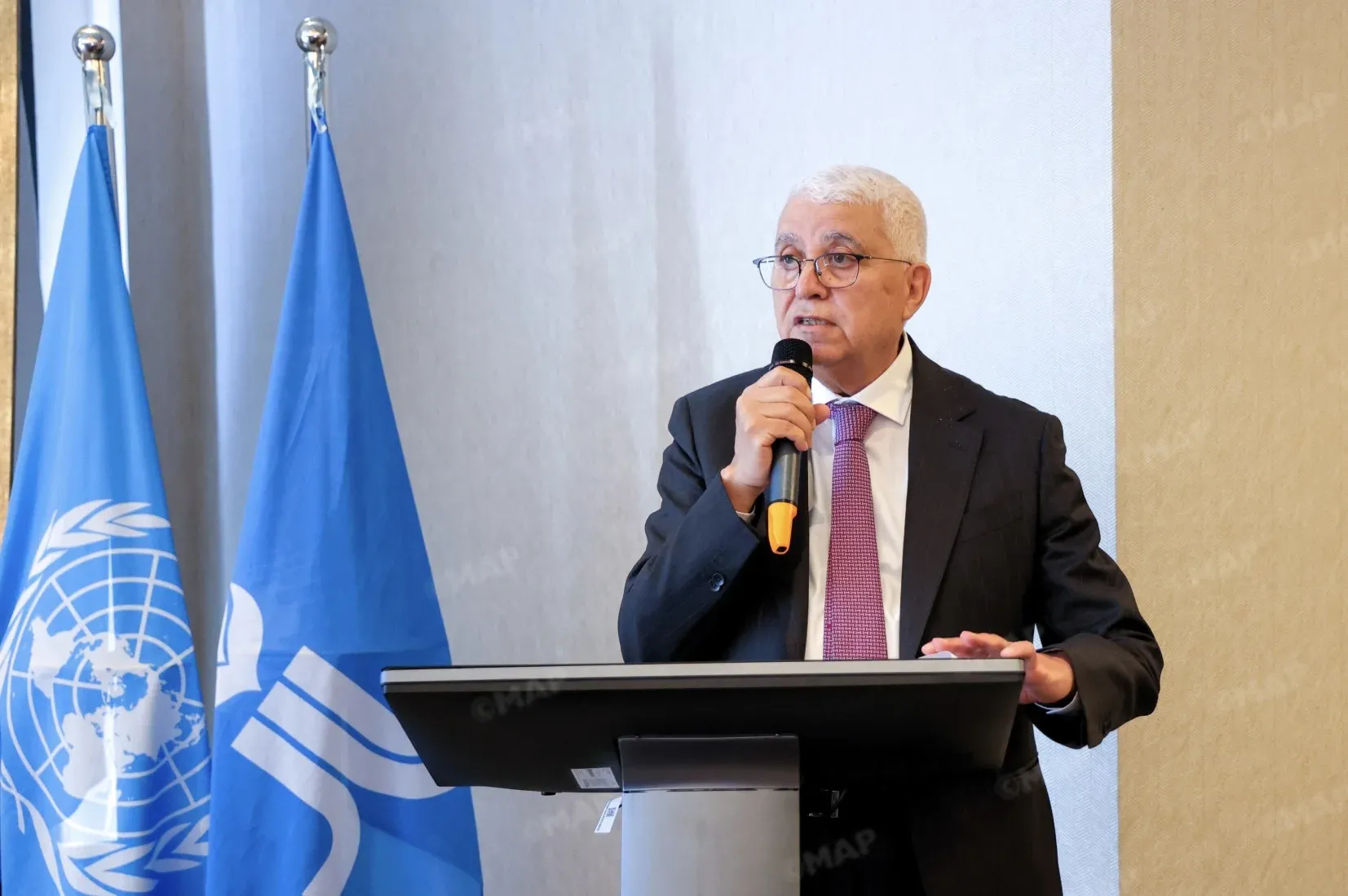
The tightening of regulatory requirements imposed by the European Union on the subsidiaries of Moroccan banks poses significant challenges to the remittance systems utilized by Moroccans residing abroad, commonly referred to as MREs. This critical issue was brought to light by Abderrahim Bouazza, the Director General of Bank Al-Maghrib (BAM), during a recent event in Rabat commemorating the International Day of Family Remittances. Bouazza emphasized that this matter is under close scrutiny from both Moroccan and European authorities, highlighting the importance of navigating these regulatory waters effectively.
Bouazza also acknowledged the valuable support from French authorities, which has played a crucial role in maintaining the intermediary functions of Moroccan bank subsidiaries operating in France. This support has been facilitated by necessary adjustments to the legal framework, enabling these banks to continue their operations in a challenging environment.
Financial Inclusion and Investment Opportunities
Despite the positive advancements in Morocco's financial ecosystem, which now encompasses a diverse array of financial institutions including payment entities, microfinance organizations, crowdfunding platforms, and public credit guarantee schemes, significant gaps in financial inclusion remain evident. Bouazza pointed out that these disparities are particularly pronounced between urban and rural populations, as well as across different age demographics. The remittances sent by Moroccans living abroad, while substantial, have largely been allocated to cover routine household expenses, as indicated by data from the High Commission for Planning. In fact, a staggering 87% of these funds are utilized for daily living costs, rather than for productive investments.
This situation can be attributed to several factors, including administrative complexities, constraints within the business environment, and a general lack of incentives to encourage investment. Nevertheless, Bouazza expressed optimism regarding the reforms introduced in recent years, such as the new Investment Charter and the Charter for Very Small Enterprises. Additionally, the rollout of universal social protection is contributing to a more conducive environment for redirecting remittances into productive investments and job creation, particularly in rural areas where such initiatives are critically needed. These reforms represent a strategic effort to enhance the potential of remittances as a catalyst for economic growth and development in Morocco.
As reported by en.yabiladi.com.