Massive Influx of Migrants into Ceuta Raises Concerns
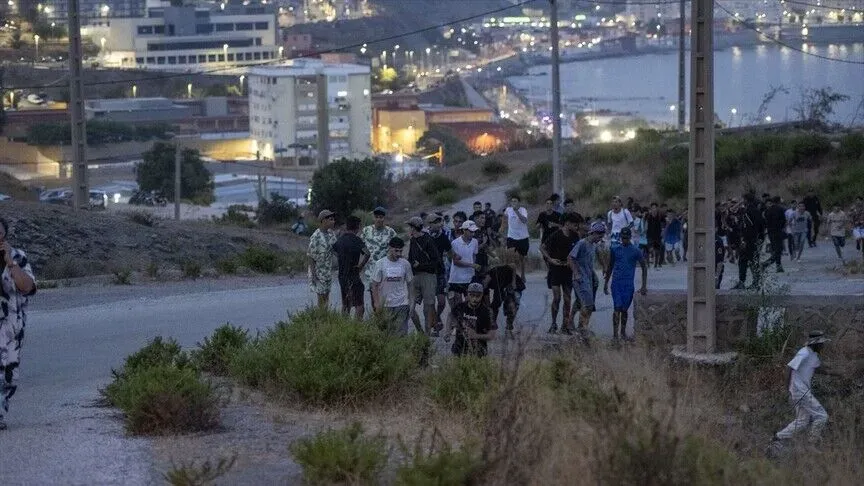
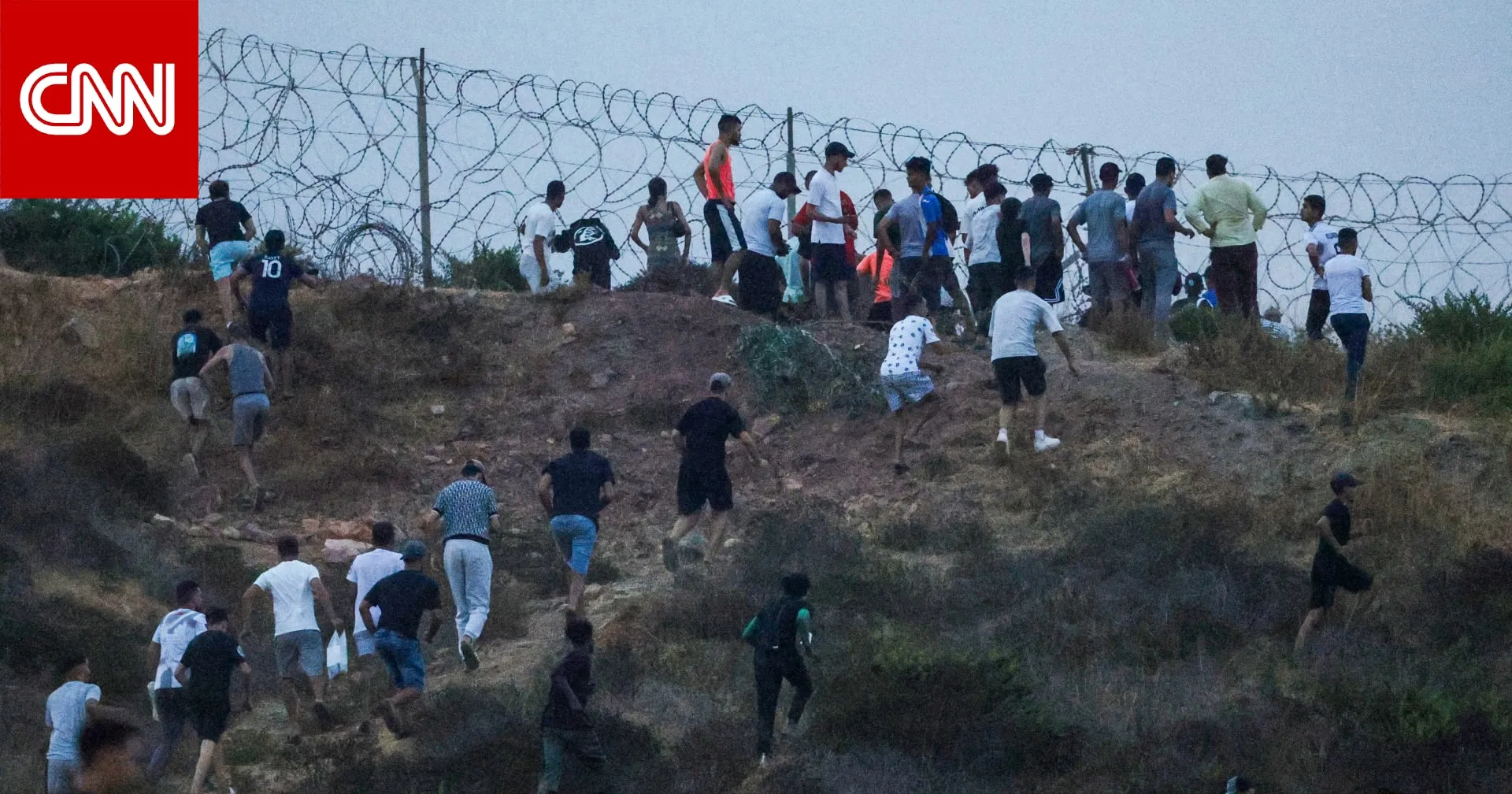
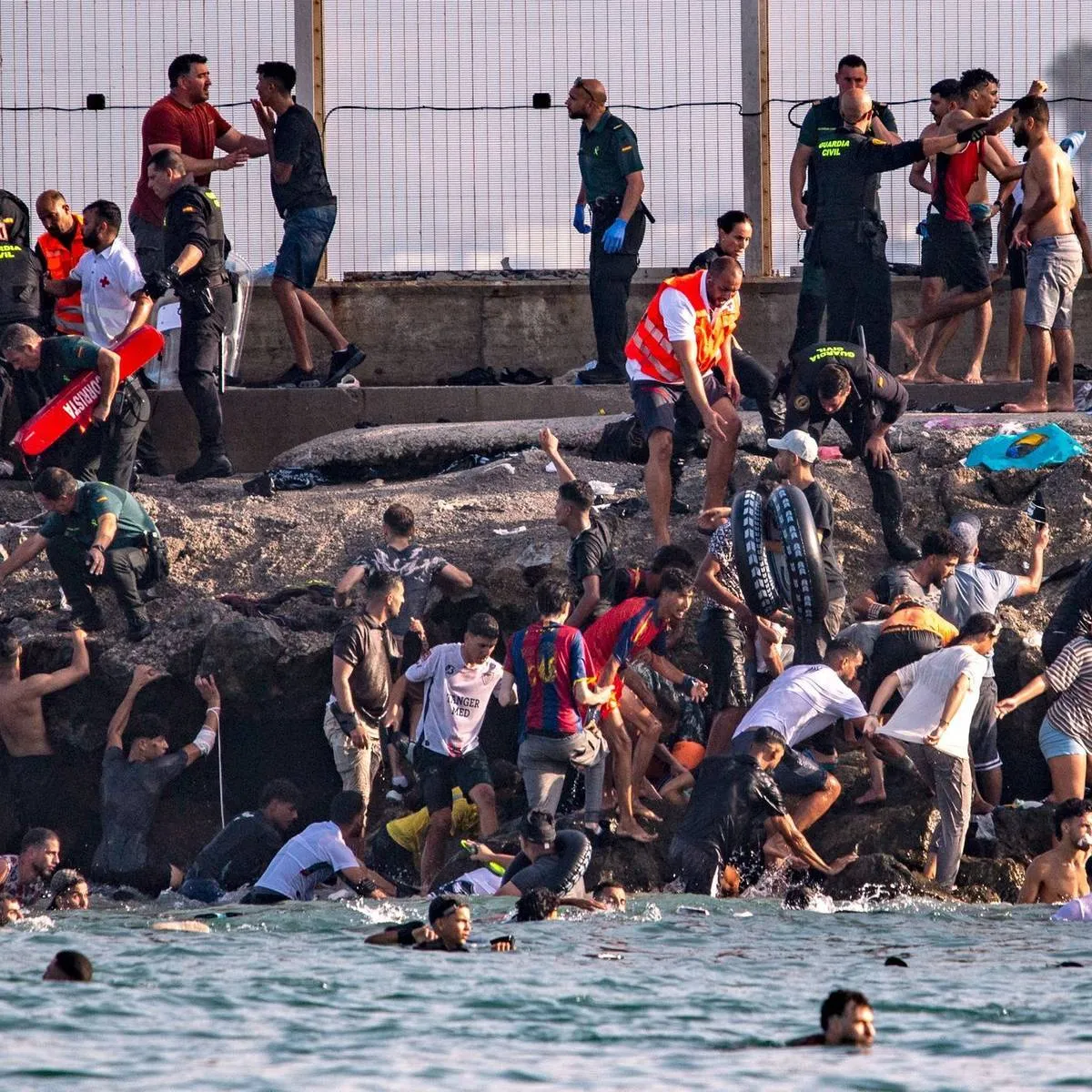
In a startling development, more than a thousand migrants have surged into the Spanish exclave of Ceuta within just a few days, overwhelming local authorities. The scenes captured in photographs depict desperate individuals arriving via various means—swimming, in vehicles, or on foot. Reports indicate that rumors of the border's opening may have prompted this sudden influx, as revealed by the news agency AFP.
From the neighboring Moroccan town of Fnideq, vehicles packed with young individuals made their way towards Ceuta, located approximately 15 kilometers away. Others attempted the journey on foot, with some stating their destination was Ceuta. A young man, traveling from Tangier, expressed that he had walked the 70 kilometers after hearing that the Bab Sebta border crossing had been opened.
This recent surge evokes memories of the migration crisis experienced in May 2021 at the same location when the European Union's outpost on the African continent saw a significant influx of refugees. Thus far, at least 1,500 migrants have successfully reached Ceuta, with many braving the perilous waters to swim the distance. Tragically, this attempt has proven fatal for some, as local authorities reported that at least ten individuals drowned while trying to cross the EU border.
Government Response and International Implications
The situation has prompted heightened alert among Ceuta's authorities, especially given the significant number of minors and children among the new arrivals, as reported by the Spanish state broadcaster RTVE. The regional government has urged the central government in Madrid to declare a national state of emergency and deploy military forces to the Morocco border. Despite the escalating crisis, the central government under socialist Prime Minister Pedro Sánchez has resisted calls for a state of emergency, instead opting to dispatch 120 military personnel stationed in Ceuta to assist border officials, according to reports from "El País" and other outlets.
The unfolding situation in Ceuta has garnered international attention, particularly from Italian Prime Minister Giorgia Meloni, who has called for Spain's exclusion from the Schengen Area. Meloni announced on the online platform X that her government is gathering relevant authorities to discuss potential extraordinary measures, including suspending the Schengen Agreement with Spain. She described the images coming from Ceuta as shocking and declared that Italy would not remain passive.
Opposition leader Alberto Núñez Feijóo from Spain's conservative People's Party (PP) criticized Sánchez's administration, labeling the situation as desperate and emphasizing the need for action in light of the national security crisis. Ceuta, with a population of approximately 85,000, is currently witnessing chaotic scenes, with many migrants—including families with women and children—crossing the rocky barriers that demarcate the border between Ceuta and Morocco. Reports from RTVE further highlight the alarming conditions, noting that many migrants lack adequate swimming skills, making their journeys perilous.
Rachid Sbihi, head of the association representing officers of the Spanish Guardia Civil monitoring the border in Ceuta, has acknowledged that authorities have lost control of the situation, stating that thousands of migrants are crossing the border, leading to a complete breakdown of order. This crisis is further exacerbated by the historical context of previous migration surges, notably in May 2021 when over 8,000 individuals crossed into Ceuta in just 36 hours. During that incident, Madrid accused Rabat of orchestrating a border crisis for political leverage amid ongoing disputes over Western Sahara.
Although the EU has expedited asylum procedures and facilitated faster deportations, a recent ruling from Spain's Supreme Court provided hope for migrants, asserting that those arriving by sea cannot simply be sent back. With two Spanish exclaves—Ceuta and Melilla—remaining under Spanish control despite Morocco's claims, the situation continues to be a focal point of contention in the broader geopolitical landscape.
As reported by t-online.de.