The Impact of Brutalism in Morocco's Architecture
Brutalism, a stark and raw architectural style that emerged in the mid-20th century, has left an indelible mark on the architectural landscape of Morocco, particularly in the period following the country's independence. This unique style, characterized by its bold forms and utilitarian approach, often utilizes raw concrete and an emphasis on functionality over aesthetic embellishments. In Morocco, brutalist architecture is not only a testament to the modernist ideals of the time but also reflects the socio-political climate of the nation as it transitioned towards a new identity.
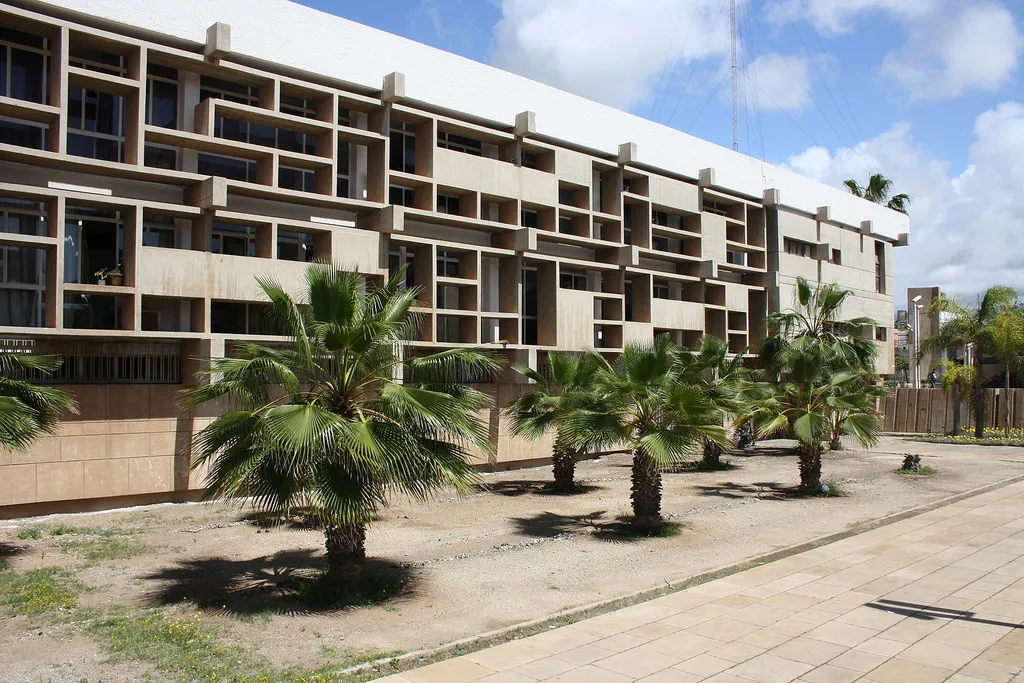
The post-independence era in Morocco saw a surge in the construction of public buildings that embraced the brutalist style, symbolizing a break from colonial influences and an assertion of national identity. Structures such as the Town Hall in Agadir, built in 1961, exemplify this architectural movement, showcasing how functionalism and modern design principles can coexist with the cultural narratives of a nation. These buildings often serve as a canvas for expressing Morocco's aspirations and challenges as it navigated the complexities of modernity.
Preservation and Future of Brutalism in Morocco
As Morocco continues to evolve, the preservation of its brutalist architecture becomes increasingly significant. Many of these buildings, once celebrated for their innovative designs, now face the threat of neglect and demolition due to changing urban landscapes and shifting architectural trends. However, there is a growing recognition of the importance of these structures as cultural heritage, prompting discussions around their conservation and adaptive reuse. The brutalist buildings of Morocco are not merely relics of the past; they are vital links to understanding the country's architectural evolution and cultural history.
In conclusion, the legacy of brutalism in Morocco provides a fascinating lens through which to explore the intersection of architecture, identity, and history. As the nation continues to develop, it is crucial to engage in dialogues about the significance of these structures and the role they play in shaping Morocco's architectural narrative. By embracing its brutalist heritage, Morocco can foster a deeper appreciation for its diverse architectural landscape and ensure that the stories embedded within these walls are not forgotten.
As reported by archdaily.com.