
On Tuesday, August 25, 2026, Morocco will celebrate Aïd Al Mawlid Annabaoui, an important religious festival that commemorates the birth of the Prophet Muhammad. This annual observance does not fall on a fixed date, as it is determined by the lunar Islamic calendar, making it a unique occasion that has roots in the history of Marrakech stretching back over four centuries.
Wednesday, August 26, will also be a holiday for public administrations, while the observance of the second day in the private sector will depend on individual company policies. The celebration of Aïd Al Mawlid, also known as Mawlid, is traditionally marked on the 12th of Rabie Al Awal, the third month in the Islamic calendar. The Moroccan Ministry of Habous and Islamic Affairs confirmed this year's date on August 13, after the sighting of the crescent moon marked the beginning of Rabie Al Awal 1448 on August 14. Thus, August 25 marks the 12th of this month.
The Significance of Mawlid
The term _mawlid_ translates to “birth,” and Aïd Al Mawlid Annabaoui specifically honors the birth of the Prophet Muhammad. This day holds a significant place in Moroccan tradition, where it is celebrated through Quranic recitations, prayers, dhikr (remembrance of God), and _madih_, which are poetic praises dedicated to the Prophet. Unlike Aïd Al Fitr, which marks the end of Ramadan, or Aïd Al Adha, associated with the sacrifice of Ibrahim, Mawlid is not the conclusion of a religious period but rather a time of commemoration and education, a tradition that has been upheld in Morocco for nearly eight centuries.
A Historical Journey of Mawlid in Morocco
The origins of Mawlid in Morocco trace back to the 13th century in Ceuta, then known as Sebta. Scholar Abu Al-Abbas Al-Azafi authored a comprehensive work devoted to the celebration of the Prophet's birth, _Ad-Durr Al-Munazzam fi Mawlid An-Nabi Al-Mu’azzam_, which remained unfinished at his death. His son, Abu Al-Qasim Al-Azafi, completed the text and, as the city's governor, organized the first documented public celebration of Mawlid in 1250. Chronicler Ibn Idhari Al-Marrakchi detailed a festive atmosphere with communal meals, gifts for children, and residents joyfully reciting praises of the Prophet throughout the day.
While the celebration began in Ceuta, it quickly spread to Marrakech, especially under the patronage of Almohad Caliph Omar Al-Murtada, who ruled from 1248 to 1266. He embraced the celebration, making Marrakech one of the first cities in the kingdom to incorporate Mawlid into the ceremonial practices of the court. Under the Merinid dynasty, Sultan Abu Yaqub Yusuf mandated the celebration of Mawlid across the kingdom in 1292, establishing it as an official holiday akin to Aïd Al Fitr and Aïd Al Adha.
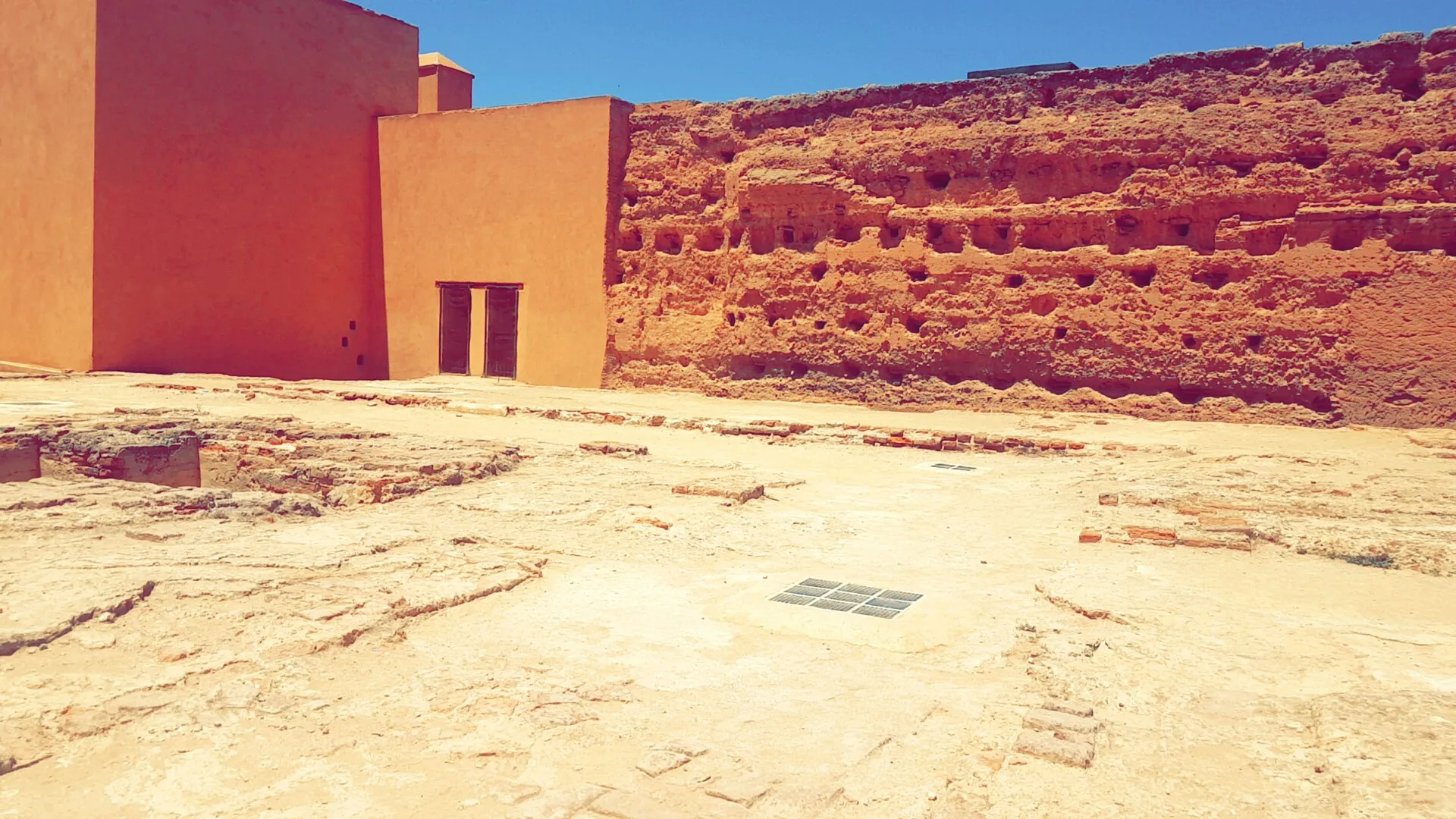
During the Saadian dynasty, particularly under Sultan Ahmed Al-Mansour from 1578 to 1603, Mawlid transformed into a grand state event, with meticulous organization involving invitations to religious brotherhoods, the crafting of ceremonial candles, and a vibrant procession with music and poetry recitations. The celebrations were held at the royal palace in Marrakech, especially after the completion of the El Badi Palace, creating an unforgettable spectacle.
Today, although the grandeur of the El Badi Palace may belong to the past, the observance of Mawlid remains deeply rooted in Marrakech's traditions. Celebrations unfold in mosques and zaouias, featuring collective Quran recitations, sessions of dhikr, and family gatherings, where traditional dishes such as _assida_, a sweet semolina dish, are prepared for children. Notably, the period of Mawlid is also associated with circumcision ceremonies held at the mausoleums of the Seven Saints, a practice unique to Marrakech.
As Morocco prepares for this significant holiday in 2026, it is essential to note that the observance of Aïd Al Mawlid varies between the public and private sectors. For public institutions, both August 25 and 26 will be holidays, while in the private sector, only August 25 is guaranteed as a public holiday, with the second day dependent on company policies.
In conclusion, Aïd Al Mawlid Annabaoui is not just a day marked on the calendar; it represents centuries of rich history and cultural heritage in Morocco, particularly in Marrakech, where the pages of its past continue to inspire present-day celebrations.
As reported by latribunedemarrakech.com.