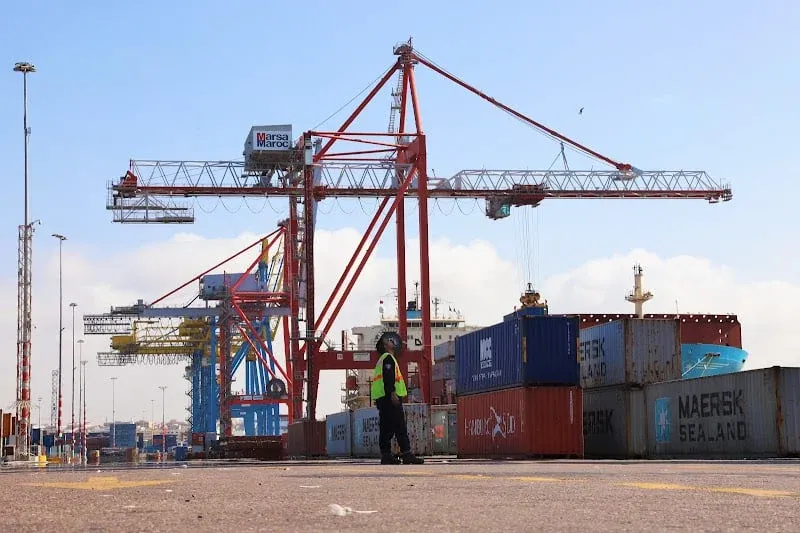
The Casablanca Port, a crucial hub for maritime trade in Morocco, has been grappling with significant congestion since October 2025, which has severely impacted shipping activities, imports, exports, and logistics operations throughout the country. Currently, over 60 vessels are anchored offshore, with reports indicating that this number could rise to 80, a stark contrast to about 50 vessels recorded at the end of March 2026. Alarmingly, nearly half of these waiting ships are grain carriers, highlighting the critical nature of this situation for food supply chains.
As waiting times have escalated to an average of ten days, specific cargo categories, particularly cereals, are experiencing delays that can extend up to a month. As of April 29, 2026, the port had 69 vessels anchored offshore, with 26 docked and an additional 61 expected within the first ten days of May, bringing the total vessel movements in the port area to 156 for that period. The dwell times for ships have notably increased; vessels that previously required an average of five to six days at the port are now spending nearly 30 days, with around 20 grain vessels consistently waiting at any given time.
The economic implications of these delays are substantial, with industry estimates suggesting that the costs associated with the congestion could range between $12 million and $18 million monthly. This situation has forced some milling operators to temporarily cease production due to supply shortages. In response to the ongoing congestion, shipping companies have implemented additional surcharges. For instance, Maersk introduced a "Congestion Fee Destination" for shipments to Casablanca starting February 1, 2026, setting the surcharge at $150 per container, a significant increase from previous fees that ranged from $20 to $40.
Moreover, the costs incurred by ships waiting offshore are substantial, with estimates suggesting additional chartering costs of approximately $10,000 per day per vessel. Over a two-week period, the cumulative expenses linked to vessel immobilization could reach around $7 million, further stressing the financial burden on shipping companies and associated industries.
Part of the root cause of the congestion has been attributed to infrastructure improvements undertaken by Marsa Maroc, which involved deepening a quay at the port. This project temporarily reduced operational capacity during the winter of 2025/2026 by taking one berth out of service. Logistics professionals and freight forwarders have been vocal in describing the congestion as a structural issue that has persisted since late 2025, indicating that no significant improvements in waiting times are anticipated before mid-July 2026. Given that Casablanca Port processes an average of 100,000 TEUs monthly, the ongoing delays pose a considerable challenge for shipping schedules, inventory management, and supply chain operations across Morocco.
As reported by en.hespress.com.