
Algeria’s Strategic Move in Phosphate Production
As a prominent supplier of hydrocarbons, Algeria is actively seeking to expand its influence within the global mining landscape, particularly in the phosphate sector. By the end of 2025, phosphate is set to be recognized as a critical mineral for the American economy, positioning Algeria to leverage this resource as a significant asset. The country's national oil company, Sonatrach, has recently made substantial strides by signing two major contracts aimed at enhancing fertilizer production and developing port infrastructure in eastern Algeria. These developments underscore Algeria's commitment to becoming a key player in the phosphate market.
Potential to Compete with Morocco
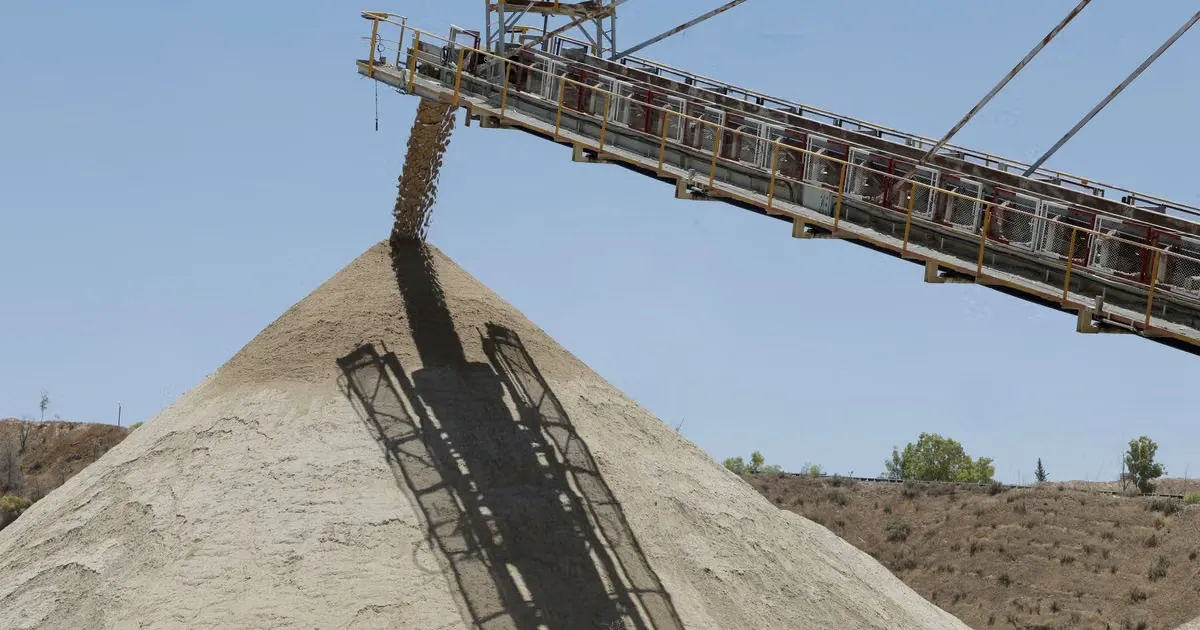
Algeria aims to establish itself as an alternative phosphate supplier to Morocco, which currently holds approximately 70% of the world's phosphate reserves. The Italian infrastructure company Saipem plans to produce an impressive 3.2 million tons of concentrated phosphate annually from the Bled El Hadba site in the Tébessa province. Additionally, the company is set to generate 2.4 million tons of phosphate fertilizers and 570,000 tons of urea per year from the new Oued El Keberit site in Souk Ahras. Saipem has already secured authorization to commence work on a project valued at around 500 million euros, although the total cost remains uncertain.
Furthermore, the Chinese engineering firm CHEC has been awarded a contract for upgrading the port of Annaba, a crucial component for facilitating phosphate exports, although the financial details of this agreement have not been disclosed. As Algeria embarks on this ambitious project, the question arises: could phosphate become the "new oil" for Algeria? As the nation invests in its phosphate resources, it aims to not only meet domestic needs but also to export to international markets, potentially reshaping its economic landscape.
As reported by courrierinternational.com.