Significant Improvement in Water Reservoirs in Morocco
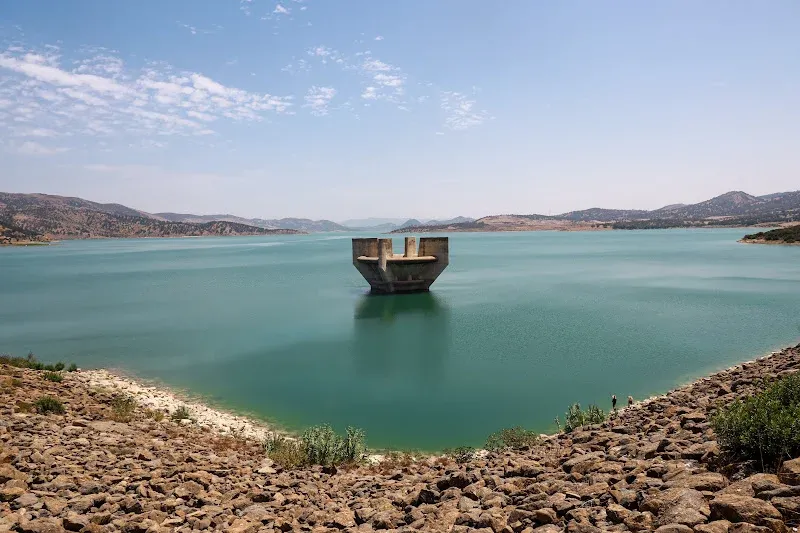
Recent official data released by the Directorate of Water Research and Planning within the Ministry of Equipment and Water indicates a remarkable transformation in Morocco's water situation compared to the same period last year. As the summer months approach, characterized by rising temperatures, the country's reservoirs have maintained a total filling rate of 76.12%, a notable increase from just 40.47% on May 2, 2025. This significant rise in water capacity provides a strategic safety valve that ensures a serene summer devoid of the water interruptions that have troubled Moroccans in previous years.
This revitalization brings reassurance to citizens as they prepare for the hottest season, affirming that summer 2026 will offer a comfortable supply of drinking water, unlike the arid years faced in the past. From a technical perspective, these figures guarantee that there will be no need to implement water rationing or reduce supply in major cities during peak consumption periods in July and August.
Assured Water Supply and Regional Improvements
In a public session held in mid-April, the minister responsible for the equipment and water sector emphasized that the noticeable improvement in reservoir levels, which now holds approximately 13 billion cubic meters of water, assures the provision of potable water for a duration ranging from two to five years, depending on the region. As of Saturday, the actual available water stock has reached a total of 13.081 billion cubic meters, marking a substantial positive difference of 35.65% compared to the beginning of May 2025.
This data reinforces the reliability of drinking water supply, particularly for several major cities, including Casablanca, Rabat, Tangier, Fez, and Marrakech, all of which are linked to reservoirs that are over 85% full, thereby eliminating the likelihood of scheduled cuts or supply reductions. Furthermore, the effectiveness of this year's rainfall and snowfall has alleviated pressure on groundwater, as full reservoirs typically reduce reliance on wells, allowing aquifers to recover.
High storage levels in the Sebou and Loukkos basins support regular irrigation cycles for crops, which may help stabilize the prices of certain agricultural products. However, despite these reassuring statistics, summer months often see increased evaporation losses, necessitating a sustained water conservation culture as an ongoing behavioral norm, rather than solely during drought years.
Geographically, the data indicates that water reserves are still concentrated in regions with abundant water supplies, primarily in the northern and central-western parts of the country. These basins are currently considered the kingdom's reservoirs, boasting near-total filling rates. The Loukkos basin, for instance, recorded an impressive 92.64% fill rate, with specific reservoirs such as Nakhla, Chefchaouen, and Sharif Idrissi reaching 100%, ensuring complete water supply for the Tangier-Tetouan region.
As Morocco enters summer 2026, it does so with a reassuring water balance, reflecting the state's efforts in managing water resources and transforming climate challenges into opportunities for social and economic stability. As reported by hespress.com.