Reigniting the Legal Discourse on Western Sahara
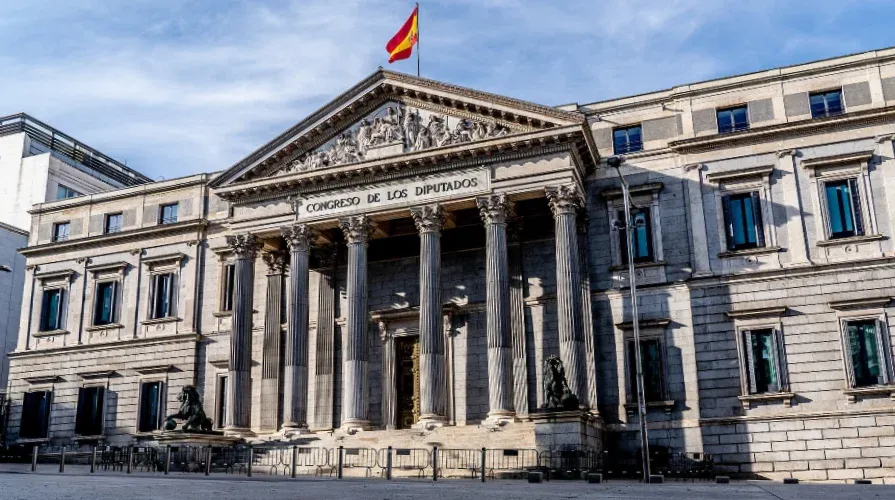
The issue of Western Sahara has once again taken center stage in the political and legal discourse within Spain, particularly during this sensitive period. With the Congress reopening discussions regarding the legality of agreements with Morocco, there is a notable increase in initiatives emerging from both academic and social spheres. This conflict is entering a phase where the legal front is gaining significant prominence, highlighting the complexities and unresolved nature of the situation.
This legal debate surrounding Western Sahara is intensifying across various institutional realms. While the fundamental issues are not new, the pace of discussions has noticeably accelerated. Recently, several initiatives have converged on a crucial point: the situation in Western Sahara transcends mere diplomatic considerations and embodies a legal dilemma that remains unresolved.
In this context, a recent ruling by the Audiencia Nacional has once again underscored the specific challenges faced by Sahrawis in obtaining international protection. The court rejected an asylum request from a Sahrawi citizen who claimed that his child could not receive necessary medical treatment and that he faced discrimination in Morocco. The court concluded that the legal requirements for asylum were not sufficiently met.
The Audiencia Nacional determined that the claimed circumstances—difficulties in accessing medical treatment and discrimination—did not rise to the level of individualized persecution nor were they proven as a real and personal risk upon return. This perspective emphasizes the necessity for concrete and direct evidence, effectively sidelining contexts in which rights violations are structural or challenging to document on an individual basis.
Herein lies a fundamental issue: the ruling reopens a critical question regarding the current legal framework's ability to acknowledge the particular circumstances of the Sahrawi people, especially in conditions where discrimination is not always manifest in an individualized or easily demonstrable manner.
The Legislative and Judicial Landscape
The reopened debate in Congress concerning the agreements between the European Union and Morocco brings to the forefront a crucial issue: adherence to the rulings from the Court of Justice of the European Union, which have made it clear that Western Sahara is a distinct and separate territory from Morocco. This is not merely a political interpretation; it represents an established legal position.
Simultaneously, other domains, such as academia, are beginning to reflect a growing awareness of the conflict, particularly amid a context where the official Moroccan narrative has sought to cement itself across various institutional levels. This movement is significant; it is part of a broader struggle for narrative and legitimacy.
In parallel, new legal initiatives and appeals to the courts indicate a shift in the conflict towards scenarios where international law is regaining relevance. Issues of statelessness, the legal status of Sahrawis, and Spain's responsibilities as an administering power continue to emerge recurrently.
The situation is not isolated. It is part of a trend where the Western Sahara conflict reemerges in courts and institutions, revealing the limitations of a legal system that still fails to fully accommodate the Sahrawi reality.
As reported by noteolvidesdelsaharaoccidental.org.