The Recent Shift in U.S. Foreign Policy Regarding Western Sahara
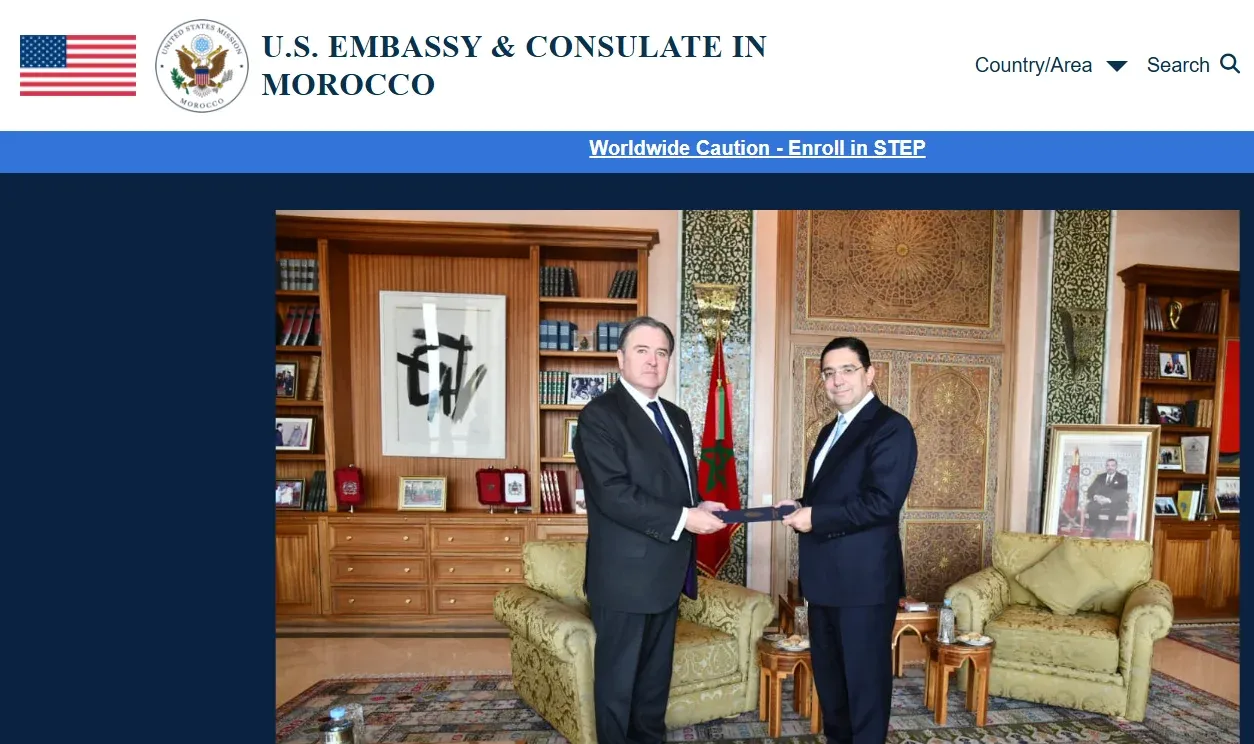
The recent developments over the last few hours likely signify one of the clearest moments of explicit political alignment between the United States and Morocco since Donald Trump acknowledged Moroccan sovereignty over Western Sahara in 2020. This alignment transcends mere military maneuvers within the framework of the AFRICAN LION exercises or diplomatic visits to the occupied Sahrawi city of Dakhla. The situation has now escalated further: the U.S. representation at the United Nations has publicly adopted Morocco's political narrative regarding the conflict and has implicitly identified the Polisario Front as a barrier to peace.
The message disseminated by the U.S. Mission to the UN following attacks in Smara leaves little room for ambiguity. Washington has condemned the actions of the Polisario Front, openly defended Morocco's autonomy proposal as a "path to peace," and urged those who "resist peace" to accept the new political landscape. This explicit condemnation underscores the U.S. stance that such violence threatens regional stability and the progress made toward peace, insisting that the time to resolve the decades-long dispute is now.
Implications of U.S. Support for Morocco
The rapid response from the U.S. Mission to the UN created a significant political impact, implicitly acknowledging that the armed conflict remains active in Western Sahara. While Rabat took hours to issue a clear official stance on the events in Smara, Washington quickly condemned the attack, directly linking it to the current political and military situation in the region. This disparity in reactions is notable as it contradicts Morocco's narrative of "stability" and the definitive normalization of conditions on the ground. The American condemnation, albeit indirectly, confirms that the war reignited after the ceasefire's breakdown in 2020 continues to shape the political and security reality in Western Sahara.
Moreover, the legal status of Western Sahara remains unresolved, as the United Nations continues to regard the territory as pending decolonization. The right of the Sahrawi people to self-determination remains a part of international legal frameworks. Thus, the U.S. pivot carries a deeper significance than mere diplomatic rhetoric; it challenges the very notion of international mediation in the conflict.
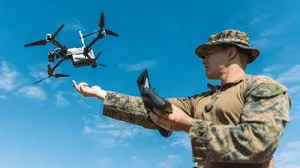
Spanish professor Carlos Ruiz Miguel harshly summarized this contradiction by stating that these messages reveal a total alignment of the U.S. with one party in the conflict (Morocco) and hostility towards the other party (Polisario Front). According to his analysis, this position incapacitates the U.S. to mediate in negotiations, which is a pertinent issue. For years, Washington has attempted to present itself as a capable influencer in the Sahrawi political process while maintaining a semblance of diplomatic balance. However, the images of AFRICAN LION in Dakhla and the recent official messages suggest that this era has now passed.
The U.S. discourse no longer revolves around the United Nations-promised self-determination referendum or a negotiation framework between two politically equal parties. Instead, it seeks to impose a new paradigm: recognizing Moroccan sovereignty as a virtually irreversible reality while diminishing the Polisario's political leverage within the international arena. This shift represents the crux of the issue. When a major power relinquishes any semblance of neutrality and openly supports one side in an ongoing decolonization process, the implications extend beyond mere diplomacy; they directly affect the credibility of the international framework surrounding the conflict.
Criticism from Sahrawi sectors and various analysts point to this concerning trend, not only due to the explicit support for Moroccan autonomy but also due to the implicit criminalization of Sahrawi resistance, while attacks by Morocco on the territory or allegations of human rights violations against the civilian population remain unaddressed. This situation unfolds during a particularly sensitive moment, with the war reactivated since 2020, AFRICAN LION reinforcing the military and strategic dimensions of the territory, and an international community that appears increasingly inclined to manage the conflict rather than resolve it according to international law.
Ultimately, the issue extends beyond the U.S. position. It raises critical questions about the extent to which some international powers have decided to replace the principle of self-determination with the logic of fait accompli.
As reported by noteolvidesdelsaharaoccidental.org.