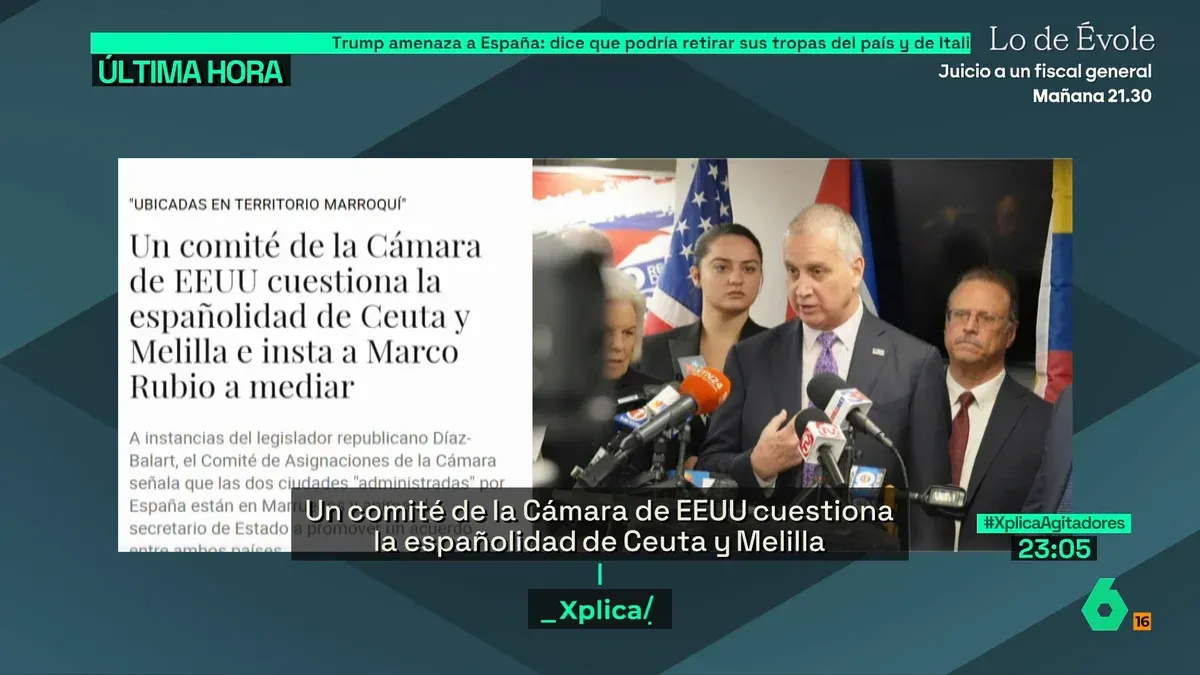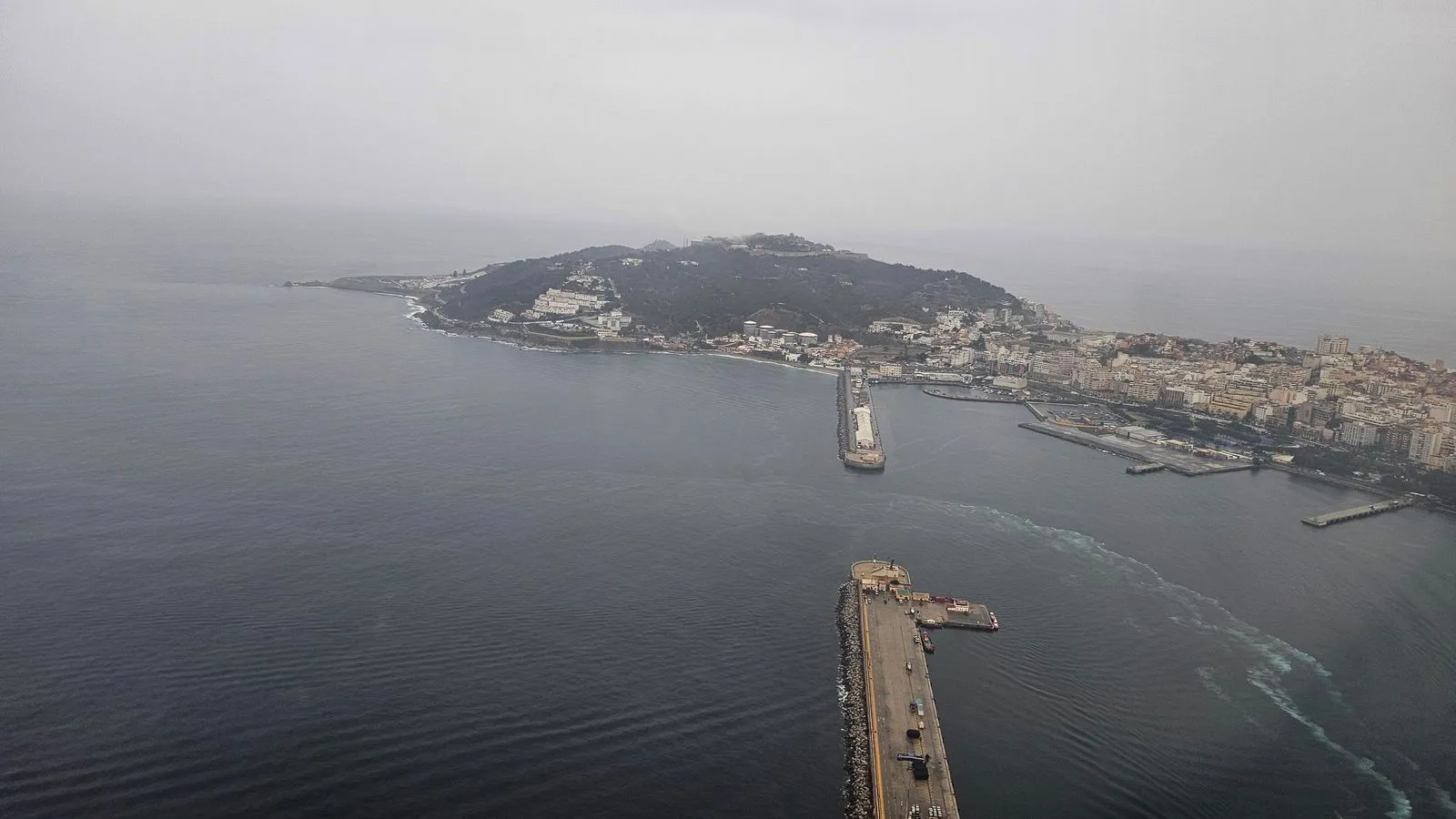
An internal report from the United States House of Representatives, prepared by the Appropriations Committee, has stirred significant discussion by referring to Ceuta and Melilla as "Spanish-administered cities located in Moroccan territory." This statement links the two cities to Morocco's historical claims and suggests that the U.S. Department of State should encourage diplomatic engagement between Rabat and Madrid regarding their future status, as highlighted by El Confidencial.
The report is part of the proposed Foreign Affairs and National Security budget for 2027 and is included in the so-called "committee report," a document that accompanies budgetary legislation in the U.S. Congress. Although such reports set political directives and priorities for the Administration, they do not carry legislative weight and are non-binding.
Specifically addressing Morocco, the report states: "The Committee notes the historical alliance between the United States and Morocco, formalized in 1786 by the Moroccan-American Treaty of Peace and Friendship. The Committee indicates that the Spanish-administered cities of Ceuta and Melilla are situated in Moroccan territory and remain a subject of Morocco's claims. The Committee supports the Secretary of State's efforts to promote diplomatic engagement between Morocco and Spain regarding the future status of Ceuta and Melilla." This statement, while provocative, does not alter the official U.S. position, which continues to recognize Ceuta and Melilla as Spanish-administered cities, nor does it imply any shift in its foreign policy.
Nonetheless, the report includes a recommendation directed at Secretary of State Marco Rubio to foster diplomatic engagement between both countries as part of their bilateral relations, embedded within a budgetary context. The document was crafted by the House Appropriations Committee, chaired by Republican Mario Díaz-Balart, during the federal budget process. Although non-binding, such reports often hold political significance as they guide the Department of State's actions linked to funding allocations. Díaz-Balart, who has previously stated in an interview that "Ceuta and Melilla are not in Spain but in Morocco," emphasized the need for a framework for negotiation among allies.
These comments align with various articles published in American and Moroccan media and analytical forums, including think tanks such as the Middle East Forum and the American Enterprise Institute, as well as perspectives featured in international outlets like the Times of Israel, Yedioth Ahronoth, Israel Hayom, and The Jerusalem Post. Recently, former Pentagon official Michael Rubin proposed the idea of a "new Green March" regarding both cities, referencing the mobilization organized by Morocco in 1975 in Western Sahara.
As reported by europasur.es.