Uncovering the Drug Tunnel in Ceuta
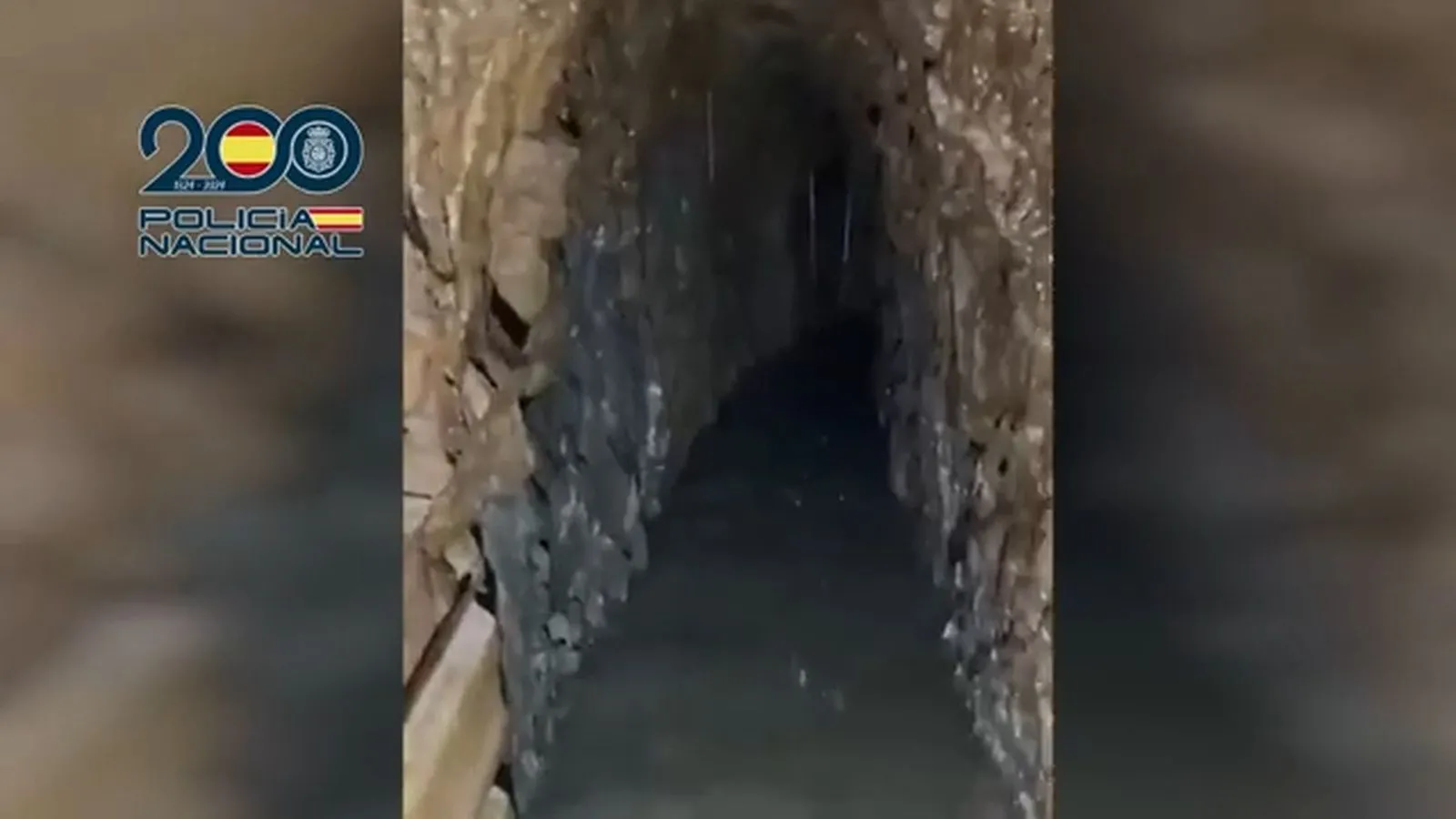
On April 25, 2026, the National Police of Spain released new footage showcasing the interior of a drug tunnel discovered within the Tarajal warehouses in Ceuta. This underground structure was used to clandestinely transport significant quantities of hashish resin from Morocco into Spain. The video provides a glimpse into a gallery that could easily be mistaken for a movie set, featuring supports that uphold the structure, water flowing from the nearby Arroyo de las Bombas, and a subterranean pathway that, according to investigators, was operational at least until last summer.
This particular tunnel marks the second discovery in the same Tarajal area, with both tunnels sharing identical entry and exit points. This similarity suggests that they are part of the same criminal network. Officers from the Organized Crime and Drug Trafficking Unit (GOIT) and the National Police's underground division ventured into the tunnel to document it, reaching the extent of Spanish territory. Beyond that point, the tunnel extends into Moroccan territory; however, without cooperation from the neighboring country, it remains impossible to ascertain the full length of this illicit structure.
The Complexity Behind the Construction
The sophistication of this tunnel leaves little doubt regarding the financial investment and technical expertise involved in its construction. Designed to remain inconspicuous beneath an area that houses a Moroccan military base, the creation of this tunnel is an operation of notable complexity. The released images illustrate the dimensions of the tunnel and the galleries used by traffickers to transport bundles of hashish, effectively circumventing any surface controls.
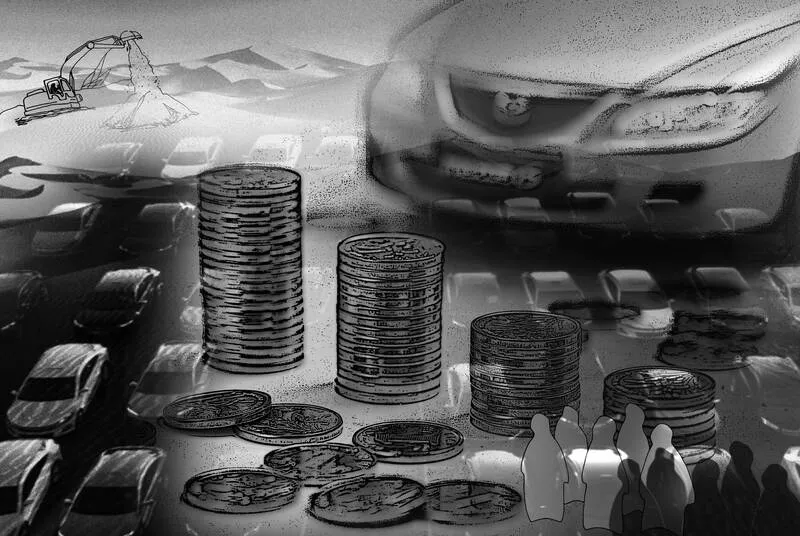
An ongoing investigation by the National Court is delving into a money laundering network associated with the criminal organization behind this operation. Police sources have indicated that further arrests linked to drug trafficking may be imminent. While the National Police and the Civil Guard have made significant progress in uncovering the drug tunnel from the Spanish side, the Moroccan side remains shrouded in silence. Spanish judicial authorities have submitted requests for cooperation through the National Court, but Morocco has yet to respond. The definitive closure and official acknowledgment of both tunnels, as well as the identification of individuals involved on Moroccan soil, hinge on a response that has yet to materialize.
Morocco is well-acquainted with the terrain, having previously deployed agents from various units who successfully located the gap that circumvented the Arroyo de las Bombas and connected to Tarajal. However, since that discovery, there has been no public action in the area.
The National Police's decision to publicize these images serves to provide the public with a realistic perspective of what this infrastructure entails: a clandestine channel constructed underground to smuggle drugs undetected, which operated for months and remains the subject of an ongoing investigation.
As reported by europasur.es.