Unveiling the Project and the Fall of Masks: A Map of the Decline of the Muslim Brotherhood's Influence in the Maghreb
The influence of the Muslim Brotherhood in the Maghreb region has been experiencing rapid erosion, reflecting a structural failure of a political project that relied heavily on religious slogans rather than pragmatic programs. This decline is not merely a fleeting indicator; rather, it has become a clear regional trajectory that exposes the limits of the organization and its inability to adapt to societal changes.
A detailed report published by "Youm7" and conveyed through "Extra News" outlines the diminishing presence of the Brotherhood in Libya, Algeria, and Morocco, asserting that the organization is facing one of its worst phases due to internal divisions and a significant drop in popularity.
In Libya, where the group sought to reposition itself following the fall of Muammar Gaddafi's regime, the political experience of the "Justice and Construction Party" revealed the limited real influence of the Brotherhood. The electoral outcomes were disappointing, reflecting only a marginal presence in the political landscape.
This failure has prompted the organization to attempt to circumvent its challenges by changing names and faces, yet these efforts have proven futile, as their influence remains confined and contested within Tripoli.
In Algeria, the Brotherhood's rhetoric has collided with different social and economic realities, resulting in the "Movement for a Peaceful Society" losing its capacity to resonate with the youth, who are now more focused on living conditions and job opportunities rather than ideological slogans. This has created an increasing gap between the discourse of political Islam and the demands of reality, leading to the group's relegation to the margins of political life.
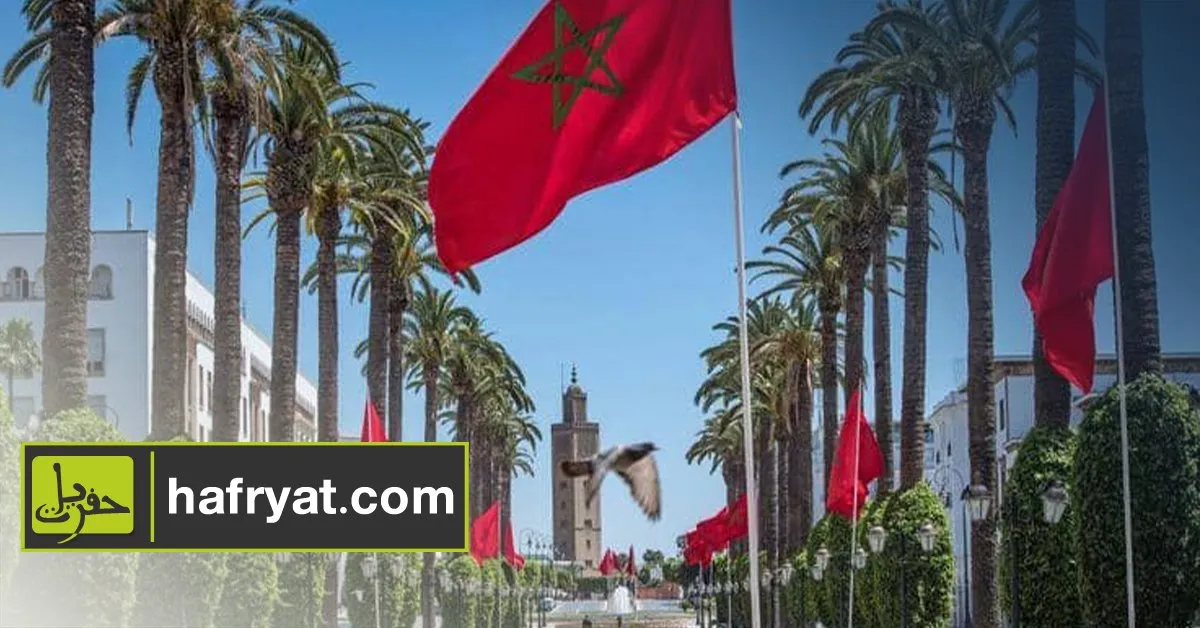
The situation in Morocco is particularly revealing, as the "Justice and Development Party" suffered a severe electoral blow in the 2021 elections, witnessing a dramatic drop in seats from 125 to a mere 13. This collapse has unveiled a near-total loss of public trust, a consequence of cumulative failures in governance and an inability to meet citizens' aspirations.
This overarching trend reflects a deeper truth that transcends mere electoral figures, indicating that the Brotherhood's project, which is based on the exploitation of religion in politics, has become apparent to societies that have tested its practices. After years of infiltration and attempts at empowerment, the organization has collided with an increasingly aware public that rejects the mixing of religious advocacy with political agendas and seeks realistic solutions rather than ideological slogans.
Additionally, regional and international transformations have played a crucial role in this retreat, as the political and media support that once provided cover for the organization has diminished, coinciding with the rise of security and intellectual approaches aimed at dismantling its networks. This changing environment has placed the Brotherhood in direct confrontation with its internal crises, without effective external support.
As reported by hafryat.com.