Transforming Access to the Atlantic for Sahel-Saharan States
Access to maritime routes has long been a significant challenge for landlocked nations, particularly those in the Sahel-Saharan region of Africa. In a world where the importance of maritime avenues is increasingly magnified in both trade and geopolitical strategies, the prospect of connecting these countries to the Atlantic Ocean emerges as a crucial opportunity for economic revitalization. This context serves as the backdrop for Morocco’s Royal Initiative for Atlantic Africa, which aims to foster enhanced regional cooperation and collective growth among African nations.
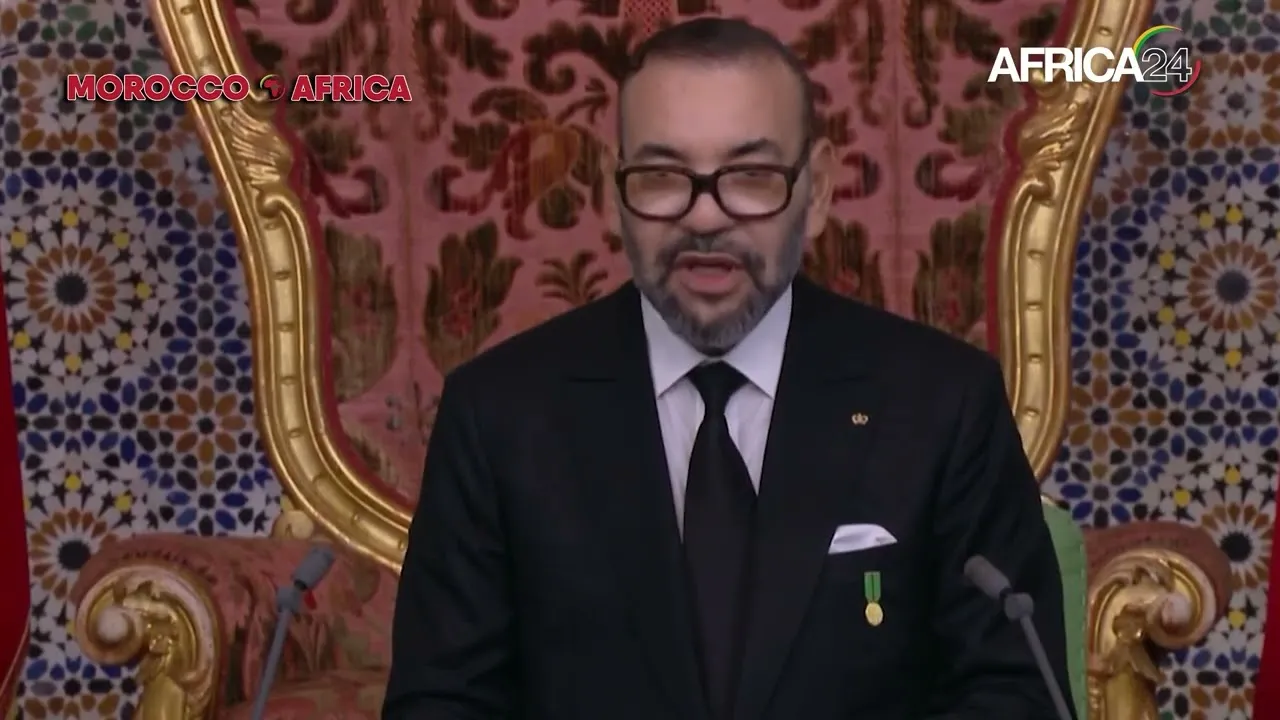
King Mohammed VI articulates this vision succinctly, emphasizing the dual significance of Morocco’s geographical position. He states, “While the Mediterranean façade connects Morocco to Europe, the Atlantic façade is Morocco’s gateway to Africa and its window onto the Americas.” His commitment to upgrading the national coastline, particularly along the Atlantic shore of the Moroccan Sahara, underscores a strategic approach to organizing this geopolitical landscape at a continental level.
Strengthening Regional Cooperation and Economic Diplomacy
The primary goal of the Royal Atlantic Initiative is to bolster security, stability, and prosperity for the 23 African countries that border the Atlantic Ocean. This initiative is especially vital for landlocked Sahel nations such as Mali, Niger, Burkina Faso, and Chad, as it provides them with essential maritime access. By structuring the Atlantic's geopolitical environment, the initiative emphasizes the need for modern infrastructure, including ports, roads, railways, and gas pipelines, all designed to promote regional integration and sustainable co-development.
Omar Hilale, Morocco's Permanent Representative to the United Nations, highlights the initiative’s broader implications, stating, “The Royal Initiative to grant Sahel countries access to the Atlantic goes far beyond geographic land access. It embodies an action-oriented economic diplomacy focused on connectivity, diversification, and regional integration by opening new routes to global markets.” This approach aims to create a vibrant African sphere of exchange characterized by shared prosperity and stability.
In light of the substantial infrastructure financing deficit—estimated at nearly 100 billion USD annually in Sub-Saharan Africa—Morocco is stepping forward with pragmatic solutions designed to address these gaps. This initiative brings hope to approximately 85 million individuals residing in the Sahel-Saharan region, relying on ambitious projects such as the anticipated completion of the Dakhla Port by 2028 and the Nigeria–Morocco gas pipeline, both of which are poised to be pivotal in fostering regional synergy.
Amina Benkhadra, the Director General of the National Office of Hydrocarbons and Mines, describes the project as “a solid project with macroeconomic components that demonstrate its profitability and feasibility.” She also notes that the necessary monitoring studies—both onshore and offshore, along with environmental impact assessments—are being carried out to facilitate financing and ensure the project's sustainability.
With a coastline extending over 3,500 kilometers, the longest claimed in Africa, Morocco is recognized as the continent’s fourth maritime power and boasts substantial maritime potential. The coastal region of Atlantic Africa offers vast opportunities, encompassing 23 countries that collectively represent 46% of the continent's population, 55% of its GDP, and 57% of its trade.
As reported by africa24tv.com.